Deciding Between Furnace Repair and Full Replacement
Stop Guessing: Know When Your Furnace Needs More Than a Fix
Deciding between another furnace repair and full furnace replacement is a big choice. It affects your comfort, your safety, and your budget for years, not just this month’s bill. When your system starts acting up, it can be hard to know if you should patch it up again or finally upgrade.
A cool May night in Bristol or nearby, when the heat is still kicking on here and there, is actually a smart time to think about it. You are not in the middle of a deep freeze, so you have time to look at your options and plan. Our goal is to walk you through the signs, the costs, and the comfort issues so you can make a clear, confident decision before the next big New England cold snap hits.
Key Warning Signs Your Furnace May Be Failing
Your furnace does not usually quit without giving you some hints first. Paying attention to those early warning signs can help you avoid a mid-winter surprise.
Some red flags include:
- Multiple repairs over the last one or two heating seasons
- Rising repair bills for different parts of the furnace
- Longer wait times for replacement parts
If you keep calling for service every winter, the problem is no longer just a part here or there. It can point to a system that is wearing out as a whole.
Comfort issues are another clue. Watch for:
- Rooms that never seem warm enough
- Areas that get too hot while other spaces stay chilly
- Long run times without reaching your thermostat setting
Sometimes uneven heat is related to ductwork or thermostat problems, and a pro can check that. But when your furnace is older and comfort problems are getting worse, it often means the system is struggling to keep up.
Strange sounds or smells should never be ignored. Common trouble signs include:
- Banging, booming, or rumbling when the burner lights
- Screeching or grinding from the blower
- Musty or metallic smells when the furnace runs
- Soot on or around supply vents
- Rust, cracks, or other visible damage on the unit
If you notice any of these, it is time to stop guessing and have a trained technician inspect your system as soon as possible.
Cost Comparison: Repair Now or Invest in Furnace Replacement
Money is usually the first thing on people’s minds, and that makes sense. A helpful rule many homeowners use is the “50% rule.” If a repair estimate is close to half the cost of a new furnace, furnace replacement often makes more sense than putting more money into old equipment.
Age is a big part of this. Most furnaces last around 15 to 20 years with regular maintenance. As they get older:
- Breakdowns tend to happen more often
- Parts can be harder to find
- Efficiency often drops off over time
So even if today’s repair is less than that 50%, an older unit may be lining up more bills for you down the road.
Think about your energy bills too. Older furnaces usually have lower AFUE ratings, which means more of your fuel is lost up the flue. That wasted fuel shows up as higher monthly bills. A repair might get the unit running again, but it will not change how much it costs to operate an older, less efficient furnace over the next 5 to 10 years.
There is also the cost of an emergency breakdown. When a furnace quits during a January cold snap, it is stressful, uncomfortable, and can mean:
- Emergency service needs
- Limited equipment choices due to high demand
- Extra pressure to decide fast
Planning a furnace replacement in late spring or summer often gives you more time, more scheduling flexibility, and fewer headaches.
Safety and Comfort Factors You Should Never Ignore
Cost matters, but safety always comes first. Furnaces that burn gas or oil need to burn clean and vent properly. Cracks in the heat exchanger and other issues can allow carbon monoxide to leak into your home. That is one reason carbon monoxide detectors and regular professional inspections are so important.
If a technician finds a serious combustion or venting problem, delaying the repair or replacement is not a safe option. In many cases, a damaged heat exchanger means the furnace should be shut down and furnace replacement needs to be on the table.
Older or poorly maintained systems can also affect air quality and comfort. You might notice:
- More dust in the home
- Filters that clog quickly
- Very dry indoor air in winter
Newer systems can work with better filtration, humidifiers, and even ventilation add-ons so the air feels cleaner and more comfortable overall.
Noise is another quality-of-life factor. A furnace that rattles, booms, or cycles on and off all night can make it hard to relax and sleep. A properly sized modern system usually runs more quietly and more steadily, which keeps your home feeling calm and evenly warm.
When Furnace Replacement Makes the Most Sense
When you add everything up, certain patterns point strongly toward furnace replacement instead of more repairs. These include:
- The furnace is around 15 years old or older
- You have had multiple repairs in recent seasons
- The same types of parts, like blowers or igniters, keep failing
- Your home never quite feels as warm or steady as it used to
If your system checks several of these boxes, putting money into a new furnace often brings better comfort and fewer surprises than patching the old one again.
Changes in your home can also be a reason to look at a new system. For example:
- Adding a room or finishing a basement
- Improving insulation or sealing drafts
- Changing how your family uses different spaces
These kinds of updates can change how much heat your home needs and where it needs it. A new, properly sized system, possibly with zoning and smart thermostat options, can match your updated layout and lifestyle much better than an older furnace that was sized for the house as it used to be.
Rebates and off-season deals can also tip the balance. Many homeowners find that spring and summer are good times to plan furnace replacement, since schedules may be more open and you are not in a heating emergency. It is always worth asking about utility rebates, manufacturer promotions, or tax incentives that might apply to higher-efficiency units.
How a Local Pro Can Help You Decide
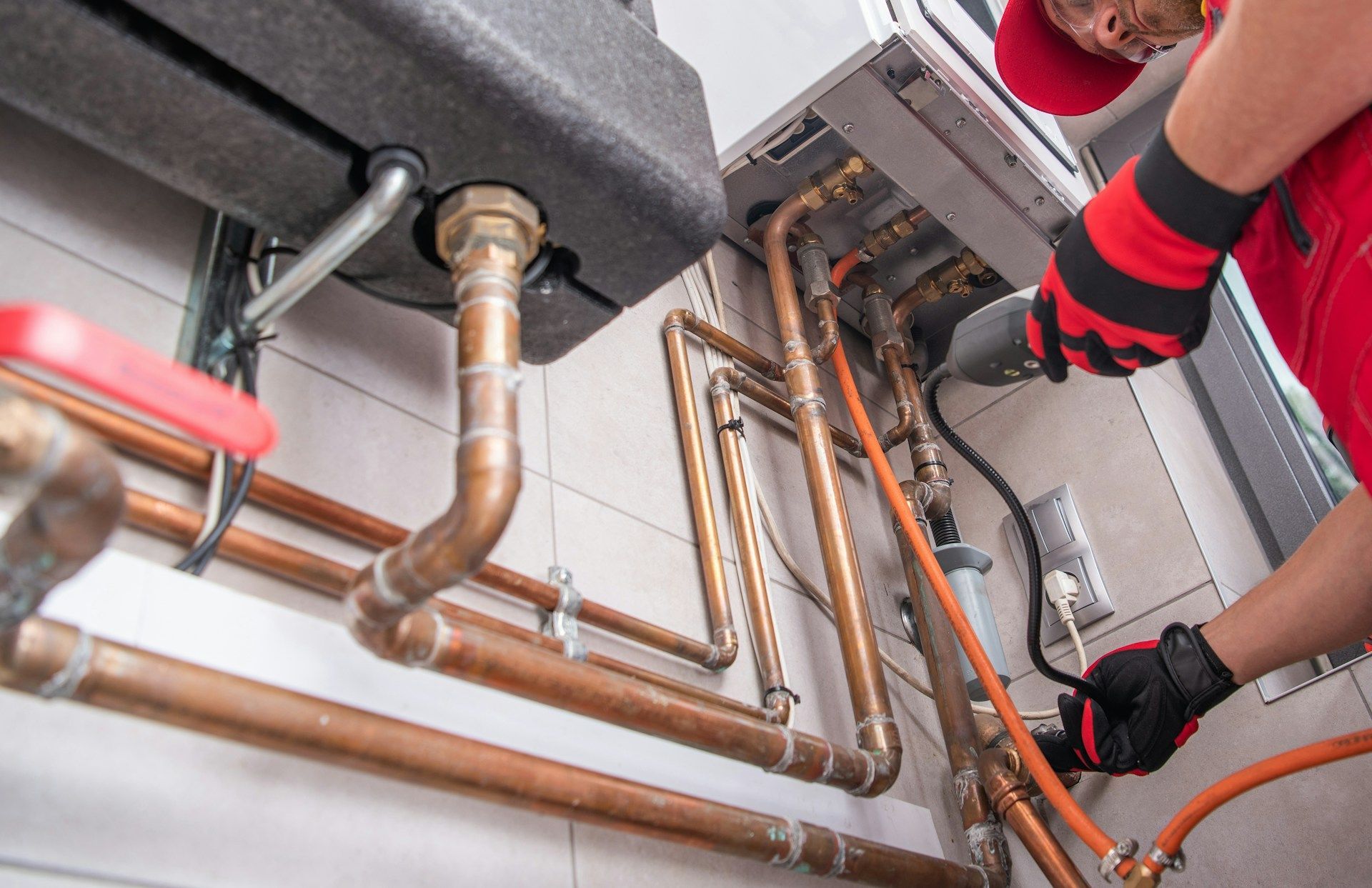
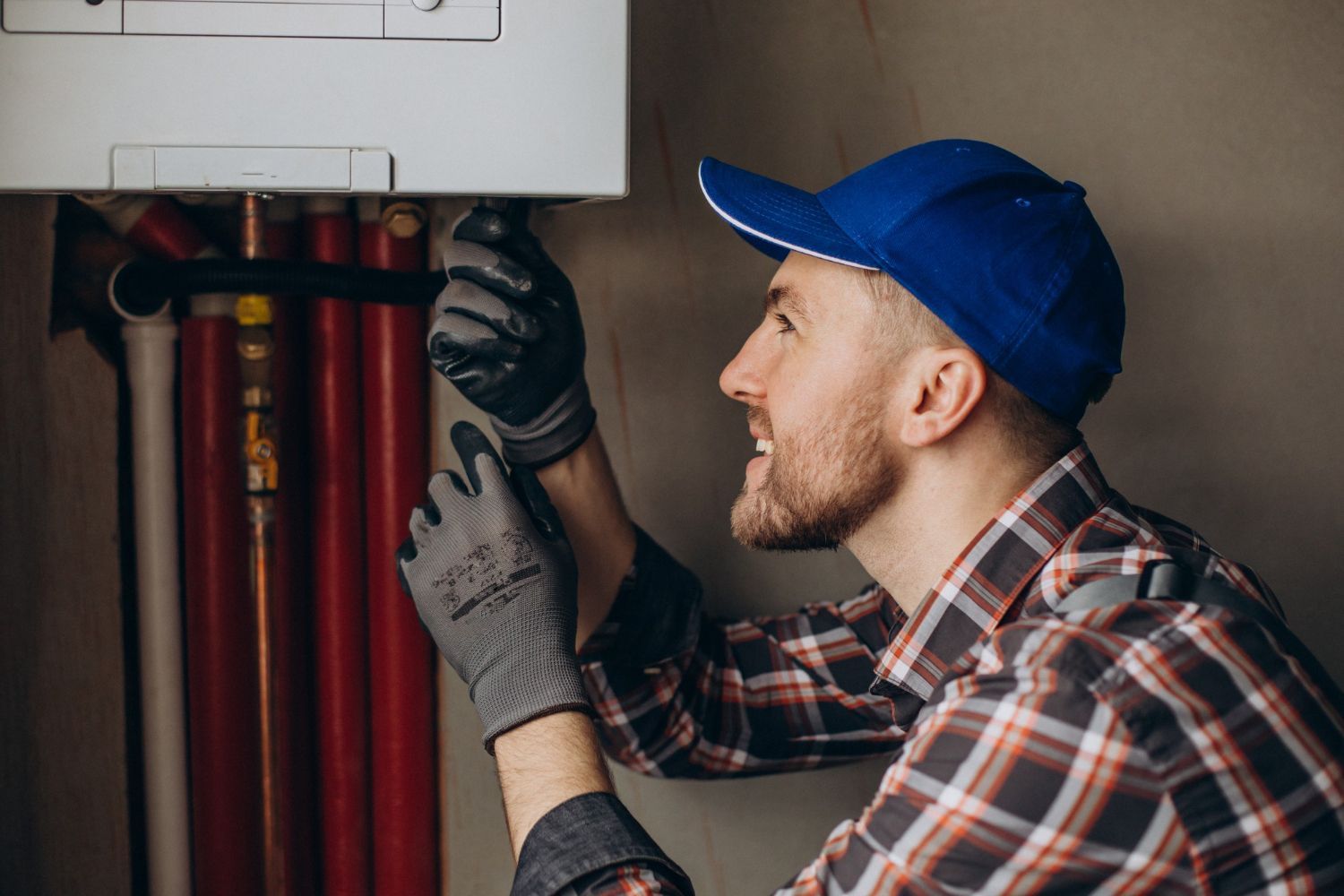
You do not have to sort all of this out on your own. A local HVAC professional can look at your system, your home, and your goals and go over clear options.
A thorough furnace check typically includes:
- A full visual inspection of the unit and venting
- Combustion analysis to check how cleanly it burns
- Safety checks on gas, oil, or electrical components
- Performance testing to see how well it is heating
From there, a trusted tech should explain what they found in plain language, with honest pros and cons of repair versus furnace replacement.
For homes in Bristol and the surrounding Connecticut communities, it is important to factor in local weather, fuel type, and the size and style of the house. A good contractor will help you compare different system sizes, efficiency levels, and equipment options that fit your budget. They can also provide more than one quote, so you can see the difference between a repair, a basic replacement, and a higher-efficiency upgrade.
Planning ahead in late spring or summer is a smart way to head into next winter with less stress. Many homeowners also like to pair furnace work with other HVAC or plumbing maintenance to keep the whole home running smoothly. Chiarillos HVAC is here to help you sort out the choices, understand what makes sense for your home, and move toward a warmer, worry-free winter with confidence.
Get Started With Your Project Today
If your heating system is struggling to keep up, now is the ideal time to plan a professional
furnace replacement with Chiarillos HVAC. We will assess your home, explain your options clearly, and recommend a solution that fits your comfort needs and budget. Our team handles everything from removal of the old unit to precise installation and testing so you can enjoy reliable heat again. Have questions or need a quote soon? Simply
contact us and we will help you schedule your appointment.