Managing Hidden Plumbing Leaks Before They Damage Your Home
Stop Hidden Plumbing Leaks Before They Wreck Your Home
Hidden plumbing leaks are the slow, sneaky ones you usually cannot see. They sit inside walls, ceilings, under floors, and behind fixtures, quietly dripping away. Because they stay out of sight, they often keep going for a long time before anyone notices a stain or a soft spot.
For homeowners, that slow leak can turn into a big headache. Water can soak into drywall, warp floors, feed mold, and even weaken framing over time. In Connecticut, where winters are cold and pipes are under stress, small cracks and loose fittings are common. Spring is a smart time to pay attention, before summer humidity makes any moisture problem feel even worse.
A proactive approach to residential plumbing does not have to be complicated. Paying attention to early warning signs and calling in a professional for inspections and repairs can protect your home’s value and prevent bigger damage later. That is what we help families with every day.
Common Places Hidden Leaks Like to Hide
Most homes have several areas where hidden leaks like to show up first. These spots have lots of pipes, fittings, and fixtures packed into small spaces, which means more chances for a slow drip to start.
In bathrooms, leaks often start in places you do not check often, such as:
- Behind shower or tub walls
- Under tubs or shower pans
- Around toilet bases and supply lines
- Beneath vanity sinks and inside cabinets
Water can run along framing or subfloor before you ever see it. Tiles may loosen, grout can crack, or the ceiling below the bathroom may start to stain or bow.
Kitchens and laundry rooms are another trouble zone:
- Under kitchen and laundry sinks
- Behind dishwashers and refrigerators with ice makers
- Around washing machine hoses and drain lines
Even a tiny leak in a supply line can drip for a long time into the cabinet floor or wall cavity.
Basements and crawl spaces often tell the story of your whole plumbing system. Watch the areas:
- Along copper or PEX lines that run across ceilings or walls
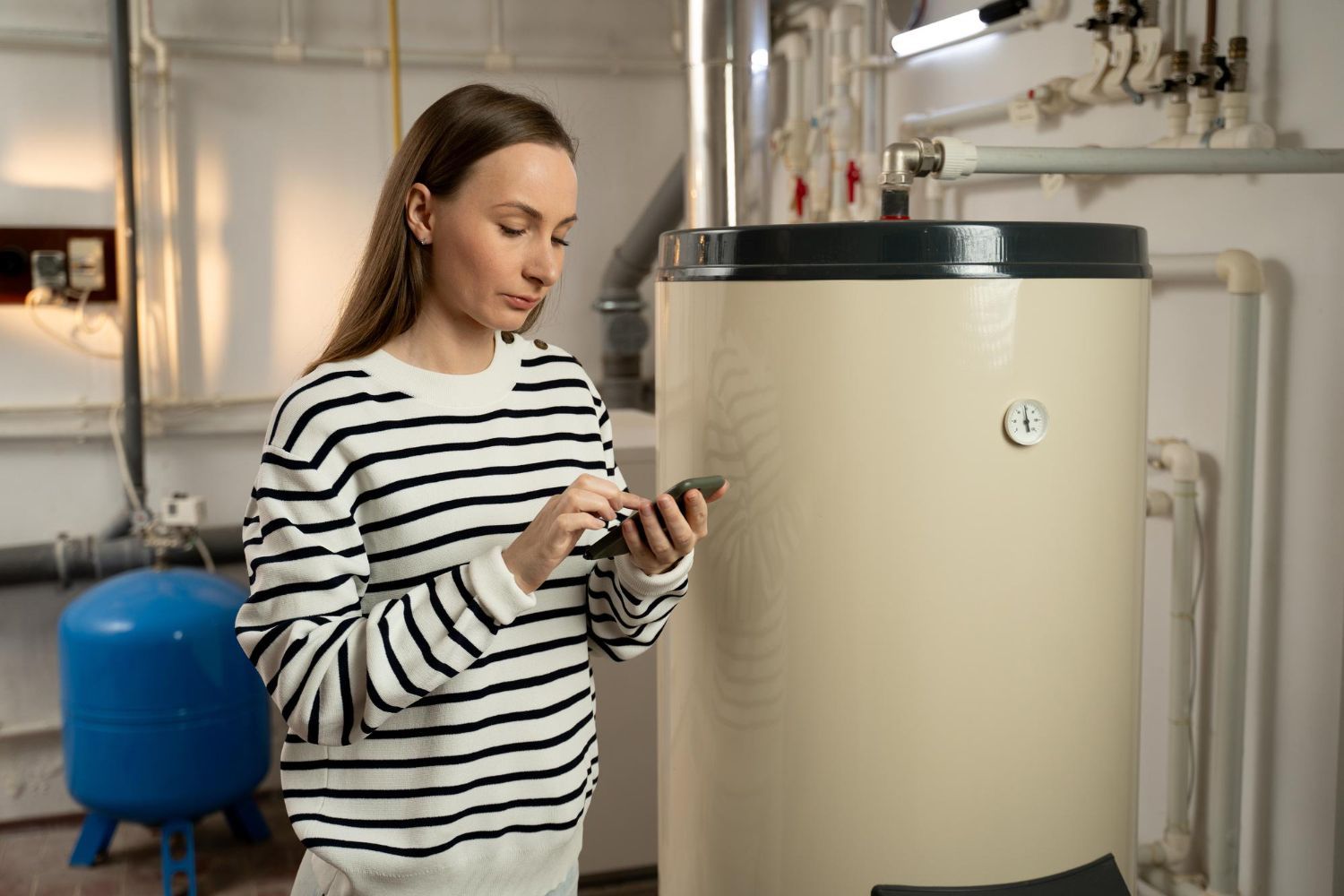
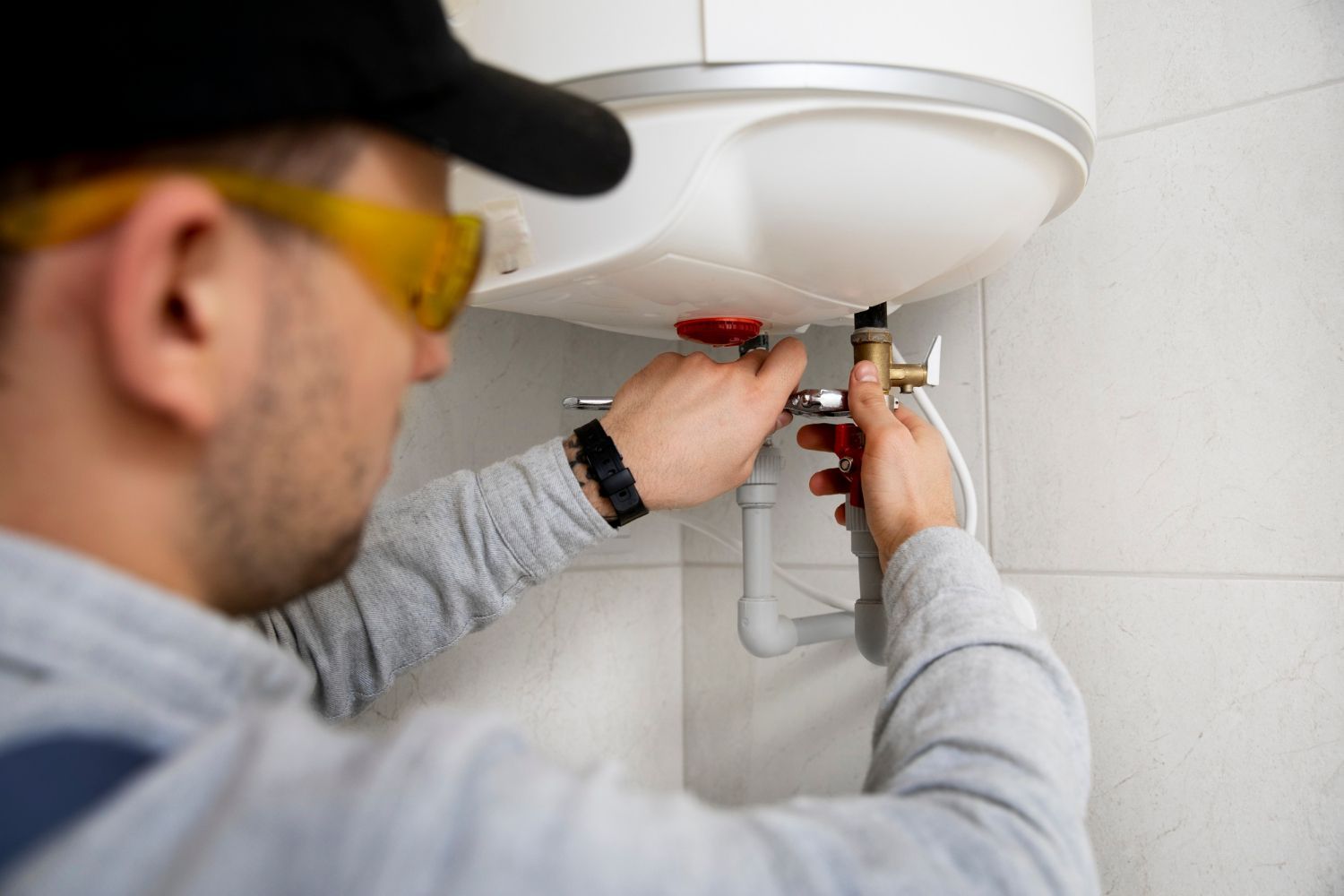
- Near water heaters and around their fittings
- Around sump pumps, if you have one
- On older galvanized pipes, which can develop pinhole leaks or rust
Outdoor and seasonal plumbing is at risk too. Hose bibs that froze during winter, irrigation lines, and plumbing that runs through unheated garages can crack. These leaks might not show up until you turn water on in warmer weather and start using those lines again.
Subtle Warning Signs Your Plumbing Is Leaking
Hidden leaks rarely show up with a big puddle in the middle of the room. The signs are usually small and easy to brush off at first. Paying attention to these early clues can save you from a much bigger repair later.
Visual cues can tell you a lot:
- Brown or yellow stains on ceilings or walls
- Bubbling, cracking, or peeling paint
- Warped or swollen baseboards or door frames
- Loose tiles, soft spots in flooring, or damp carpet
- Unexplained wet areas on concrete slabs
Smells and sounds can be just as telling. A musty or earthy odor, especially in closets, bathrooms, or basements, often means moisture is present. You might hear faint dripping, hissing, or trickling inside walls, under floors, or near the water heater when the house is quiet.
Changes in how your plumbing works are another red flag. A sudden jump in your water bill with no change in use can point to a leak. Other signs include reduced water pressure in sinks or showers and warm spots on floors, which may mean a hot water line is leaking below.
You might also notice health and comfort issues. More frequent allergy or asthma symptoms, visible mold around vents or baseboards, or one part of the house feeling muggy while the rest is normal can all be related to hidden moisture.
How Pros Track Down and Confirm Hidden Leaks
Finding a leak you cannot see takes more than guesswork and a flashlight. Professional technicians use tools and methods that let them track leaks without tearing your home apart.
Common diagnostic tools include:
- Moisture meters that measure dampness inside walls and floors
- Thermal imaging cameras that show temperature changes where water is present
- Listening equipment that helps pinpoint dripping or hissing behind surfaces
A step-by-step leak-detection process usually starts at the main water meter. Pros can see if water is flowing even when all fixtures are shut off. From there, they may isolate sections of your home by turning off valves to certain areas, checking pressure, and inspecting visible plumbing for corrosion, stains, or mineral buildup.
DIY attempts often fall short because they rely on guesswork. Cutting random holes in drywall can create extra damage, and you may still miss the real source of the leak. Trained technicians know how water tends to travel and how to test carefully so that demolition is kept to a minimum.
A whole-home plumbing-inspection can be especially helpful in older homes in Bristol, or after a harsh winter. Catching small issues like tiny drips, early corrosion, or loose fittings can prevent leaks from spreading into walls and floors.
Preventing Future Leaks with Smart Plumbing Habits
You cannot stop every plumbing problem, but good habits make leaks far less likely to surprise you. Simple checks and smart upgrades can protect your home and give you peace of mind.
Good maintenance basics include:
- Looking under sinks each month for dampness or stains
- Glancing around toilets for soft flooring or discoloration
- Checking near your water heater for rust, puddles, or drips
- Knowing where your main shutoff valve is and how to close it in an emergency
Some upgrades can add an extra layer of safety. Replacing old rubber supply lines on toilets, sinks, and washing machines with braided stainless steel hoses can reduce the chance of sudden bursts. Leak detectors or smart water shutoff valves can alert you or automatically close the water if they sense unusual flow or moisture. In homes with aging pipes, updating sections before they fail can prevent repeated problems.
Seasonal routines matter in Connecticut, where temperatures swing. Before winter, insulating pipes in unheated areas like garages, crawl spaces, and exterior walls helps prevent freezing and cracking. Draining and shutting off outdoor hose bibs and irrigation lines protects them when temperatures drop. In spring, many homeowners like to schedule a residential plumbing checkup to make sure everything made it through winter safely.
Water quality and pressure play a big part in how long your pipes last. Hard water can lead to scale and corrosion, and very high water pressure can stress joints and fittings. A professional can test your water, suggest treatment if needed, and confirm that your water pressure is in a safe range for your plumbing system.
Protect Your Home Now with Professional Help
Ignoring the small signs of a hidden leak rarely ends well. Stains spread, mold grows, floors warp, and what started as a tiny drip can turn into a major repair. Acting as soon as you notice something off is the best way to protect your home and your peace of mind.
At Chiarillos HVAC, we help homeowners in Bristol and the surrounding area with leak detection, plumbing repairs, and ongoing maintenance tailored to local homes. Our team is available with 24/7 emergency support when a leak cannot wait, and we also offer financing options for larger repairs or pipe replacement projects so you do not have to delay important work.
Get Started With Your Project Today
If you are ready to upgrade or repair your home’s plumbing, our team at Chiarillos HVAC is here to help with expert
residential plumbing services tailored to your needs. We take the time to assess your system, explain your options, and provide solutions that fit your budget and schedule. Reach out today to schedule an appointment or request an estimate, or
contact us with any questions about your upcoming project.