Why Gas Line Installation Is Best Left to Professionals
Gas lines might not be the first thing that comes to mind when thinking about home safety, but they quietly play a big role in how we live. They power stoves, water heaters, and heating systems. Around Bristol, CT, gas-powered equipment is common, and most of it depends on underground lines that do their job behind the scenes.
When it comes to gas line installation, though, some homeowners might wonder if they can take it on themselves. It might seem like a straightforward task, but even small errors can lead to big problems. That’s why we always recommend hiring a licensed professional. Especially with spring on the way and more people planning HVAC updates or home upgrades, this is the right time to think ahead and avoid unnecessary risks.
Risks of Handling Gas Lines Yourself
Tackling gas lines without the proper background just isn’t worth the risk. The biggest danger is that a mistake could cause a leak, and gas leaks can lead to fires or worse. It's not just a matter of tightening the right connection. Every fitting, valve, and pipe needs to be handled properly.
There are also building codes that need to be followed. If those aren’t met, it can mean trouble with inspections or insurance, not to mention safety. Homeowners who try to handle gas lines themselves might not be aware of:
- Hidden details inside walls or underground that affect where and how lines are placed
- Required venting or clearance rules based on local building codes
- The tools needed to detect leaks before the line is used
Without professional training, it’s hard to know what you’re missing. And with gas, missing even one thing can be a problem.
What Professionals Bring to the Table
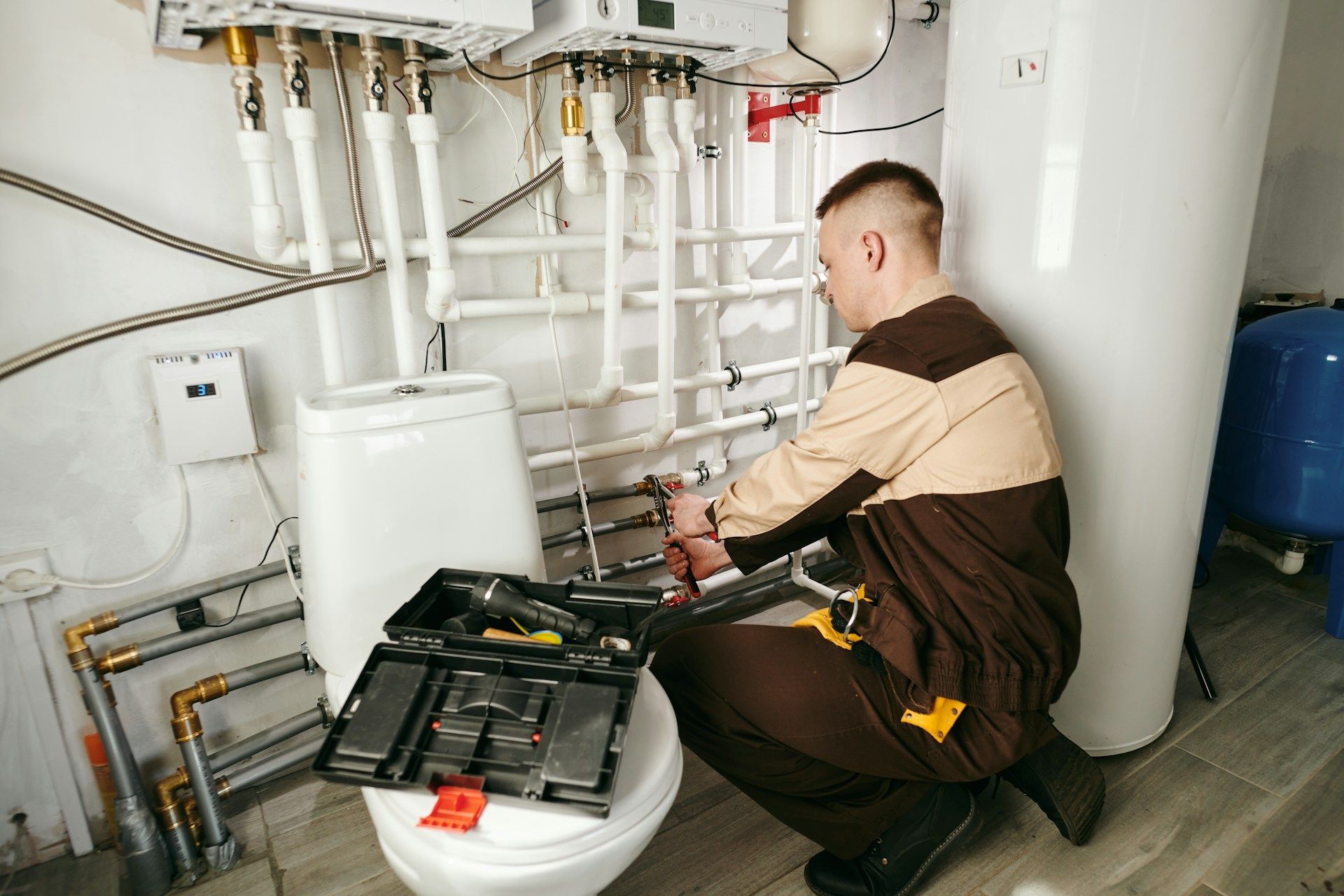
Gas work isn’t just about knowing where pipes go. Licensed professionals bring many layers of knowledge into every job. They understand the safety codes that apply in towns across Central Connecticut, and they know how to meet those rules from the start, so there are no surprises later during town inspections.
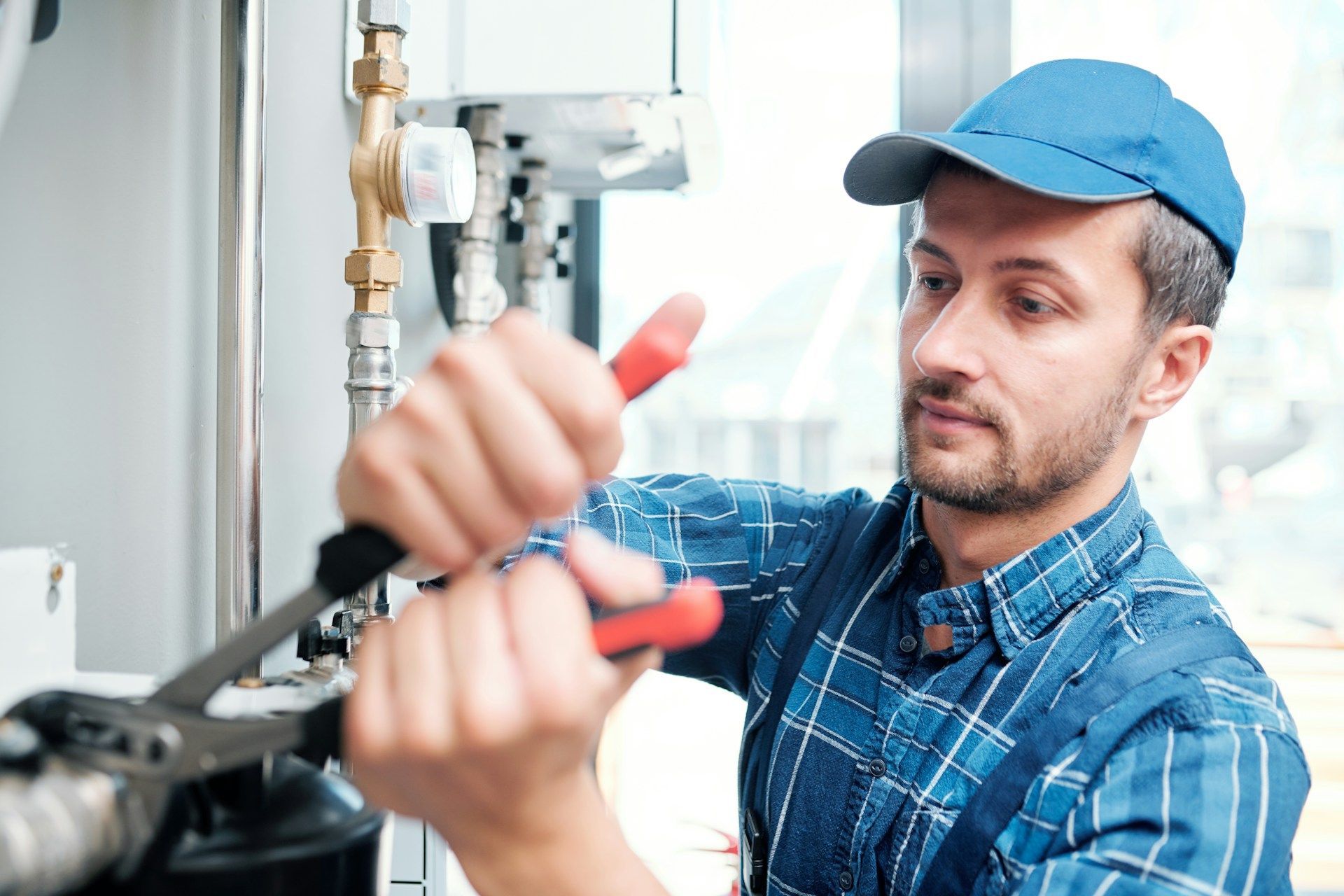
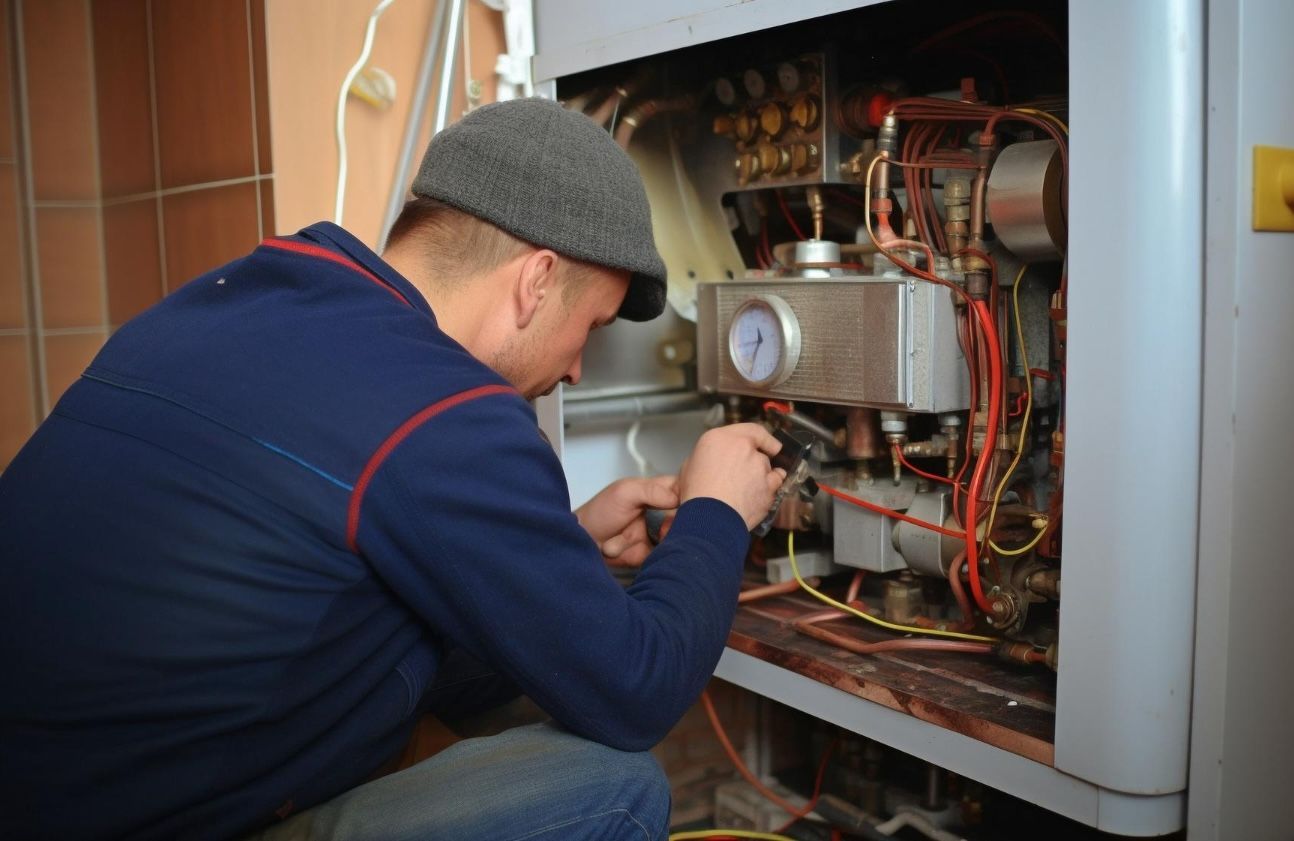
We also use pressure gauges and leak detection tools to make sure the line is sealed properly before it’s ever turned on. These tools catch problems that can’t be spotted with the eye or fixed with guesswork.
Here’s what a trained pro handles that most homeowners can’t:
- Matching material types to the job for safety and performance
- Coordinating with local inspectors or permitting offices
- Testing pressure to confirm the system is sealed and stable
This kind of work comes with responsibility, and the risk of leaving it to chance just isn’t worth it.
Common Home Projects That Involve Gas Lines
Many springtime home upgrades involve gas lines, even if it’s not obvious at first. If you're switching out kitchen appliances, for example, that might mean moving a gas line a few feet. It sounds simple, but it still needs to be done with care and reviewed for safety.
Here are some typical spring projects in the Bristol, CT, area that often require gas line work:
- Replacing a stove, water heater, or clothes dryer
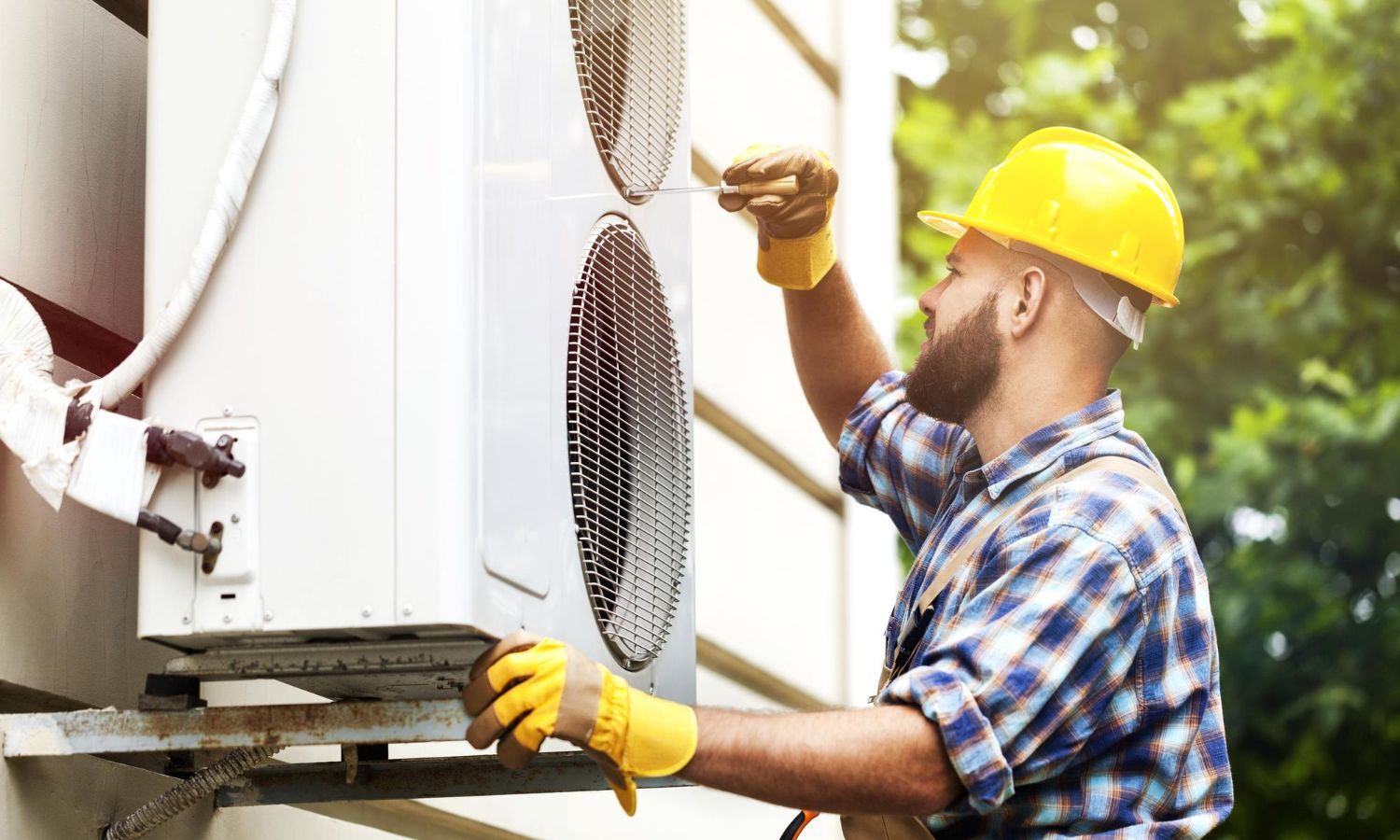
- Upgrading or moving a gas furnace
- Adding or replacing an outdoor gas grill or fire pit for the warmer weather
Each of these jobs depends on correct line placement, proper pipe materials, and connections that won’t leak when the unit fires up. That kind of precision takes more than a how-to video. It takes hands-on experience and the right licensing.
Timing Matters for Safety and Planning
Spring is one of the better times to handle gas line projects, especially in homes that are getting ready to shift from heating to cooling. That change in season opens up schedules and makes it easier to plan ahead.
Doing the work in April helps beat the summer rush. HVAC projects tend to pick up as the heat arrives, so now is a smart time to get repairs or upgrades done before everyone’s booked. It’s also the time of year when we’re outside more again, checking pools, firing up backyard spaces, or looking at what needs updating after winter.
Some benefits of scheduling early include:
- Shorter wait times to get your project on the calendar
- Fewer weather delays as we move into milder spring days
- Time to inspect and fix issues before systems are back in heavy use
If your home depends on gas lines for comfort and function, spring is the right window to make sure everything’s in top shape.
Keep Your Home Safer and Your Projects Smoother
Gas line installation isn’t just a behind-the-wall kind of job. It touches your daily life, from the heat in your living room to the food you cook for dinner. That’s why it’s not a good area to cut corners or accept guesswork.
Letting a licensed professional handle the gas work means you’re getting eyes on the full system, not just the part of the line you can see. It means pressure tests, code checks, and peace of mind that nothing was missed.
Home upgrades should make life easier, not more stressful. And when gas is part of the plan, we believe the safest move is to leave it in expert hands. That way, everything behind your walls stays as safe as the rest of your home.
Planning a spring update in Bristol, CT, that involves any gas-powered appliance or outdoor feature means starting with safety in mind. Even a new grill hookup might require adjustments to existing lines or careful pressure testing. We handle every part of a proper
gas line installation so nothing is overlooked behind walls or underground. At Chiarillos HVAC, we bring decades of experience to every home upgrade involving gas. Give us a call today to get your project on the schedule.