Tankless Versus Traditional Water Heaters for Connecticut Homes
Hot water is a big part of everyday comfort, especially when winter sticks around in places like Bristol, CT. From warm morning showers to running the dishwasher or washing up after dinner, we rely on water heaters more than we think. When the temperature outside drops for months at a time, water systems work harder, and picking the right type can make a noticeable difference.
Most homes either use a traditional storage tank or a tankless water heater. Each type works a little differently and has its own benefits and trade-offs. If you're thinking about upgrading or your current water heater isn't doing the job, it helps to know how they compare.
How Traditional Water Heaters Work and What to Expect
A traditional water heater uses a large tank, often around 40 to 60 gallons, to store and heat water. It runs constantly, whether you’re using hot water or not, keeping that full tank warm so it’s ready when needed.
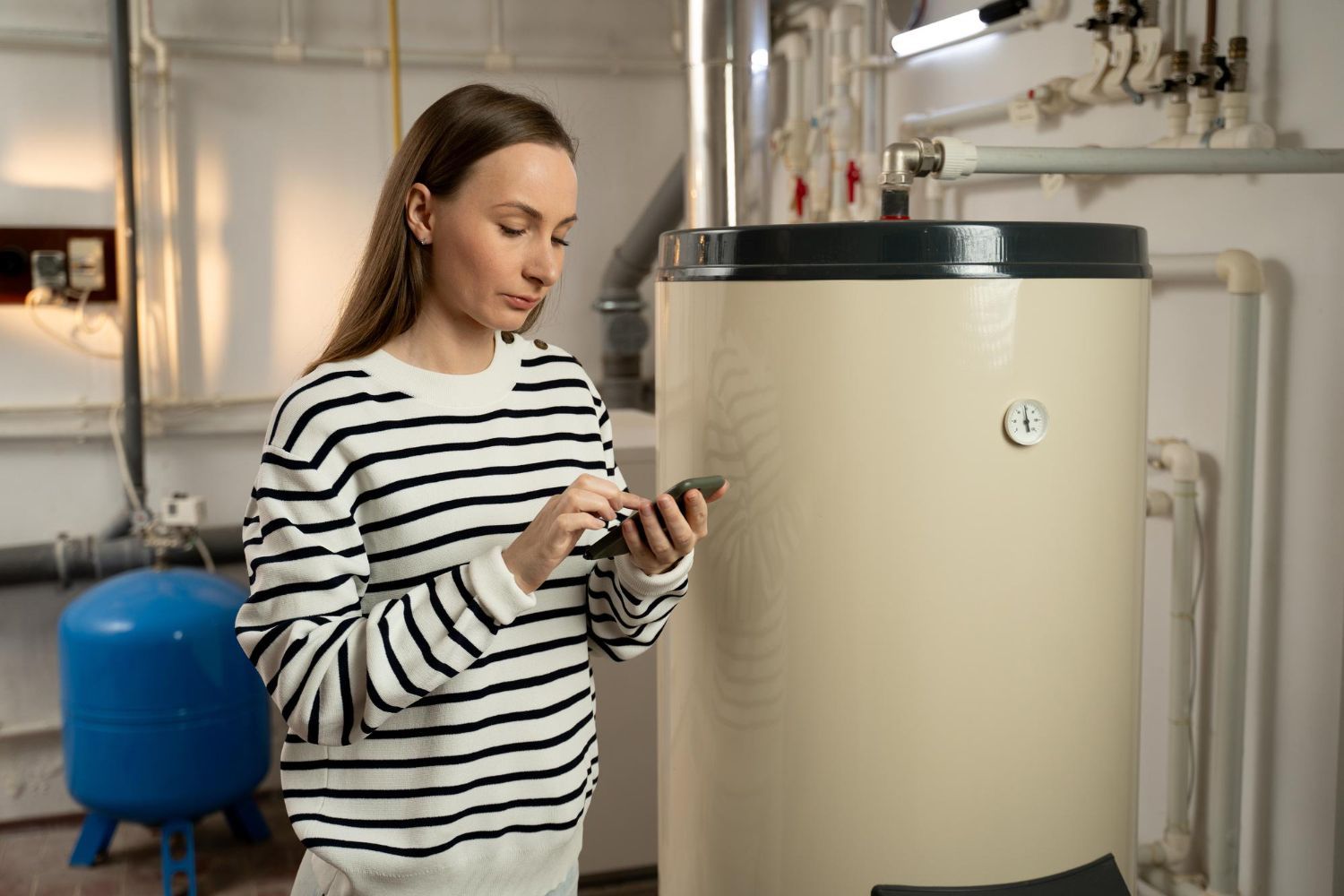
This type is easy to spot, usually tucked away in a basement or utility room. Here's how it typically works:
- Cold water enters the tank and is heated by a gas burner or electric heating element
- Hot water stays stored until it's used at a nearby faucet, tub, or appliance
- Once the tank empties, it needs time to refill and reheat before more hot water is available
These systems are a good match for larger households or homes that often use hot water in back-to-back tasks. Washing laundry, running showers, and kitchen use can be handled easily when there's already a full tank ready to go.
But when that tank runs out in a cold snap, you're stuck waiting for it to heat up again. That delay can grow longer if the unit is older or winter temperatures cause your pipes or water supply to cool down even more than usual.
What Makes Tankless Water Heaters Different
Unlike their storage-style cousins, tankless systems heat water as it passes through the unit. There's no sitting supply. Instead, water flows across a heating element and comes out hot on demand.
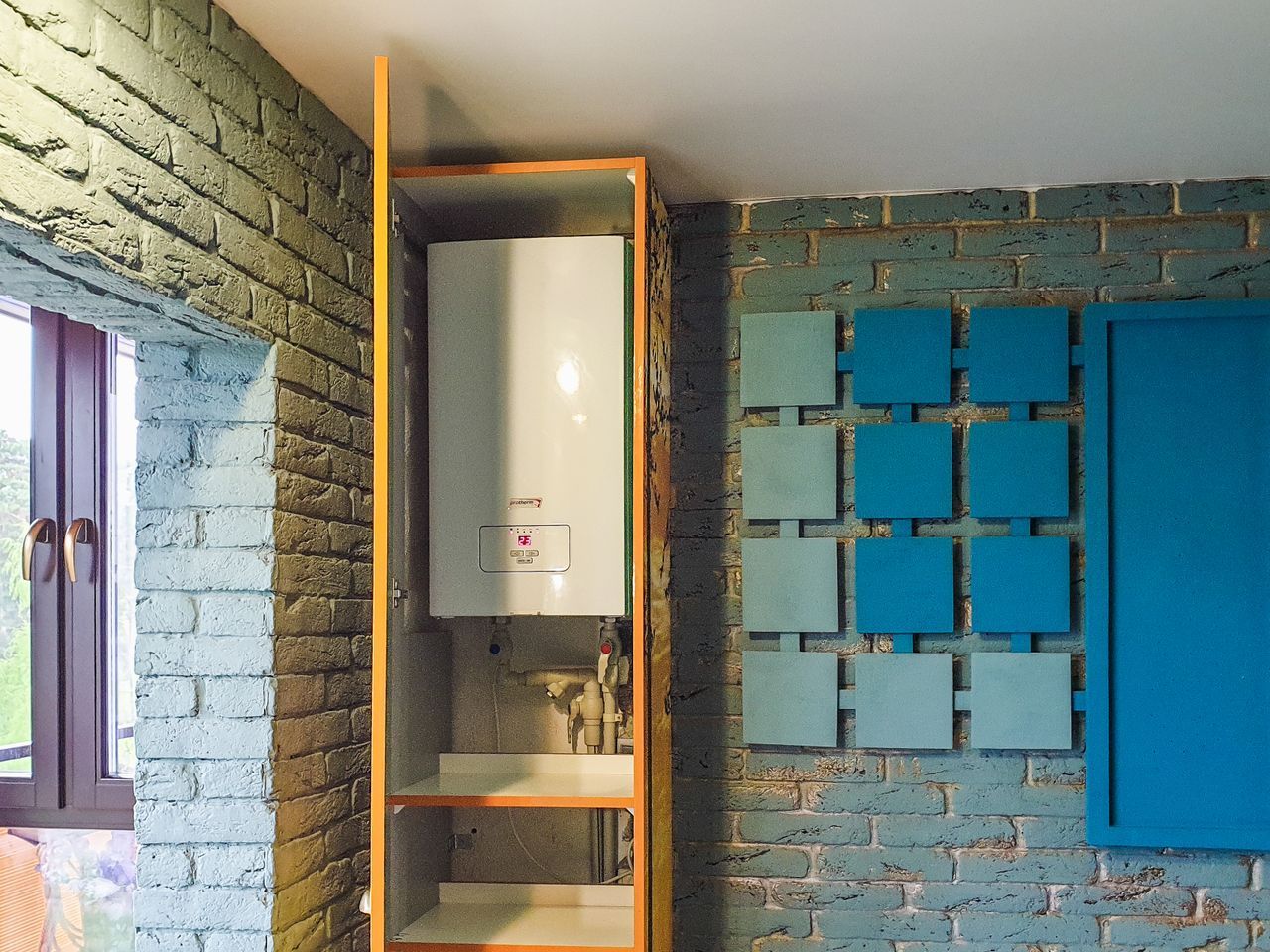
Because there's no need to keep dozens of gallons warm around the clock, there's no energy spent on standby heating. These smaller units also take up less physical room and are often mounted on a wall in a utility space, closet, or basement.
Living in an area like Bristol, CT, brings an extra challenge, though. Winters here aren't mild, and that means the incoming water starts out much colder. A tankless water heater has to work harder and longer in those months compared to summer. That’s worth thinking about when deciding how much flow your household needs on peak days.
Pros and Cons from a Homeowner's Perspective
Picking one system over the other isn't always an easy choice. We usually think about things like space, daily habits, and how often hot water gets used all at once. Here’s a breakdown of what tends to matter most to local homeowners:
- Space use: Traditional units use more floor space. Tankless options take up less room and can mount to walls.
- Hot water access: Tank heaters provide a steady supply until they run out. Tankless gives endless hot water, though usually at a slower pace for multiple uses.
- Wait time: Once a traditional tank runs out, expect to wait for a full reheat. Tankless has no refill, but cold winters may affect output speed.
- Equipment life: Tank water heaters often last about 10 to 15 years. Tankless options can last 20 or more with proper upkeep.
- Maintenance: Both styles need regular checks, but tankless systems may need flushing more often in areas with hard water
- Efficiency: Tankless setups usually waste less energy but may cost more to install and set up based on your home’s layout
Neither one wins in every category. What works for one household might not be the best fit for another.
Questions to Ask Before Choosing One for Your Home
Installing a water heater isn’t usually a one-size-fits-all decision. Before switching systems or replacing an old one, it helps to walk through a few of these questions:
- How much hot water do we use each day, and all at once?
- Is there room to install a new or different model in the current area?
- Do we have the right ventilation, fuel line, or power to support it?
- Are we growing as a family or remodeling with a bigger tub or more fixtures?
Planning ahead is key, especially in the middle of winter. If the heater fails or is already struggling to keep up, having answers ready can make it faster to upgrade or repair without rushing the decision.
Choosing What’s Right for You This Winter
Both styles of water heaters have their place, and the right one depends a lot on your home layout, how much hot water you use, and how extreme the local weather gets. Traditional systems tend to work well where demand is steady and storage is available. Tankless makes sense when space and energy use are concerns, or when hot water needs stretch beyond regular limits.
If you're living in Connecticut, your water heater does more than just heat water. It supports your whole winter schedule. Thinking through your needs ahead of time means fewer surprises and more dependable comfort through the coldest months.
Considering replacing an older unit or determining which style best fits your home, we are here to simplify your decision-making. Cold winters in Bristol, CT, put extra pressure on your plumbing, so it pays to choose a system that keeps up with your daily routine. Whether you're drawn to the efficiency of a
tankless water heater or still weighing the pros and cons, we can help you evaluate your space, water use, and long-term needs. Contact Chiarillos HVAC and let us make sure your home stays warm and comfortable all season long.