Signs Your Water Heater Needs Replacement in Bristol CT: What Homeowners Should Watch For

December 18, 2025

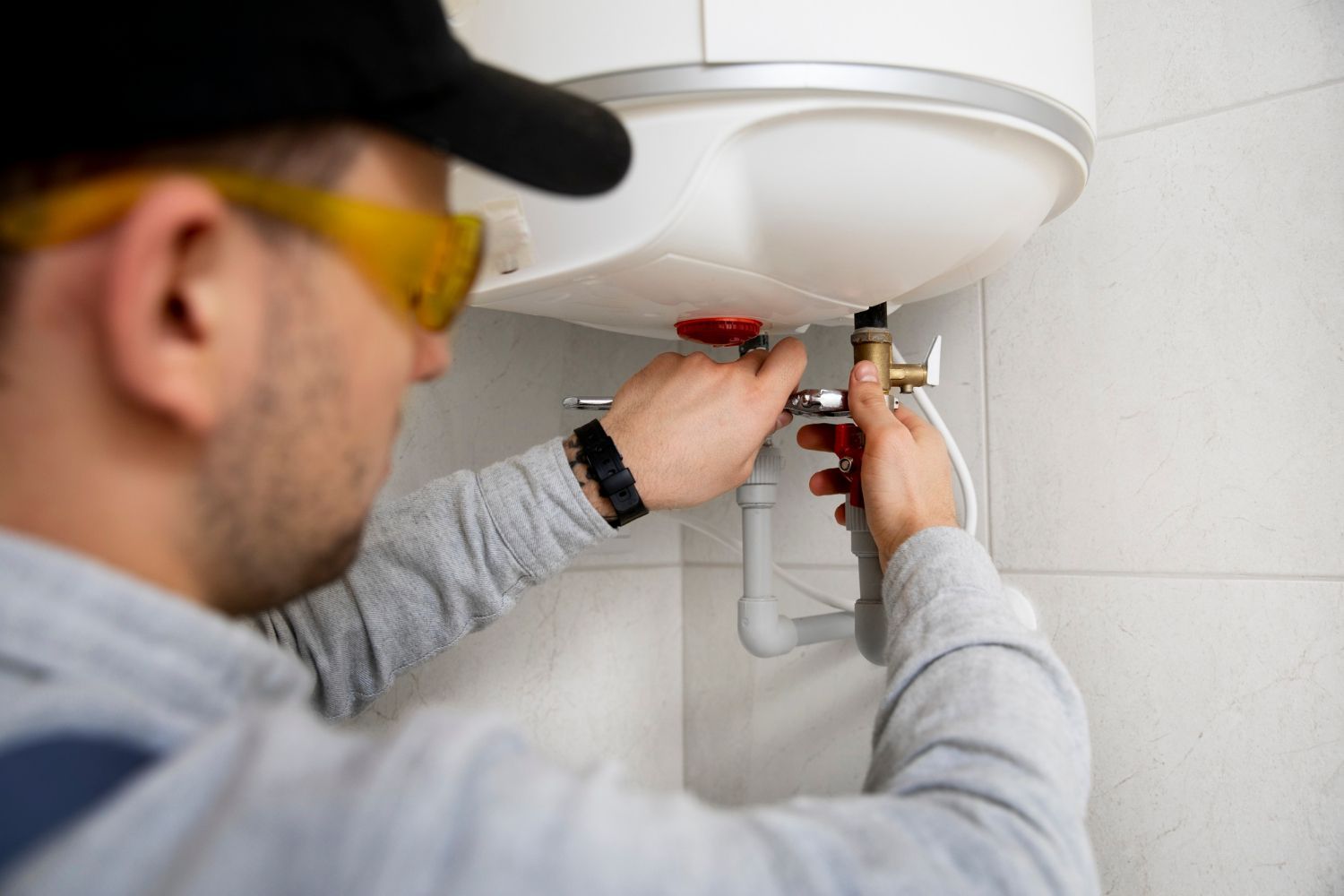
During winter in Bristol, CT, hot water isn’t just nice to have. It’s something we rely on every single day. A morning shower, washing dishes, doing laundry, none of that works well without a properly running water heater. When your water heater starts acting up, those small hassles quickly add up to big frustrations.


Knowing the early signs of trouble can help you stay ahead of breakdowns. If you’re thinking about water heater replacement in Bristol, CT, paying attention to how your system is running during colder months could save you a real headache. Here’s what we suggest looking out for as temperatures drop and your hot water needs go up.


How Old Is Your Water Heater?


Time has a way of sneaking up on appliances, and water heaters are no exception. Most water heaters last about 8 to 12 years, depending on how much use they get and whether they’ve had regular maintenance.


• If your unit is getting close to that age, or is already past it, it might start showing signs of reduced performance.

• Older water heaters tend to run less efficiently, which can mean longer waits for hot water and higher energy bills.

• You might not have noticed any major problems yet, but once they start, they often come quickly.


Checking the manufacture date on your water heater’s label is a simple way to gauge its age. If it’s been more than a decade, we usually recommend keeping an eye out for additional signs of wear.


You're Not Getting Enough Hot Water


Running out of hot water mid-shower? Or maybe it takes forever for the water to warm up at all? These are common complaints when a water heater starts to struggle.


• Inconsistent temperatures, especially during back-to-back uses like showers or laundry, may point to heating elements wearing out.

• If your tank is no longer holding heat the way it used to, those quick bursts of cold water will become more frequent.

• Heating problems often get worse in winter when the water entering your system is colder to begin with.


You don’t need to live with lukewarm water or guess at what’s going wrong. It’s something we can help check out and advise on, especially when these changes come out of nowhere.


Rusty Water or Discolored Water


Turning on the tap and seeing reddish or brown-tinted water can be pretty alarming. While discolored water doesn’t always mean the water heater is the problem, it’s a sign that shouldn’t be ignored.


• When rust builds up inside the heater’s tank or pipe connections, it can end up coloring your water.

• Rust can gradually eat away at the inside of the tank, leading to leaks or full breakdowns.

• If you're seeing this only in hot water and not cold, there’s a good chance it’s coming from the water heater.


This isn’t something that tends to fix itself. Letting a professional take a look can help you figure out if it’s time to think about replacing your unit before something more serious happens.


Strange Noises and Leaks Around the Tank


Odd noises coming from the water heater can be a sign that sediment has built up inside the tank. It sounds like banging, popping, or rumbling, and it usually means the heater is working harder than it should.


• Heated sediment settles at the bottom and hardens, making your water heater less efficient.

• This overwork leads to wear and tear and can shorten the heater’s lifespan.

• If you see water pooling around the base or notice a small leak, that’s a bigger red flag.


Leaks are never something to ignore. In freezing temperatures, even a small leak can lead to bigger problems fast, either through water damage or the water heater completely failing.


Why Professional Help Matters


Water heater problems aren’t always obvious at first. Some issues may seem small but could be signs of bigger trouble ahead. That’s why getting a professional opinion matters.


• A trained technician can take a look at everything, from the elements to the tank, and figure out if repairs are enough or if you need something new.

• Trying to fix things yourself may sound simple, but it can be risky. High heat and water pressure are involved, and a wrong move might cause damage or injury.

• If you need a replacement, you want a team familiar with many styles, from standard water heaters to high-efficiency models, and who understand how to fit your home’s hot water needs. At Chiarillo's HVAC and Plumbing, we handle both electric and natural gas water heaters, and we’re experienced with tankless as well as traditional tank models.


Especially in winter, waiting too long can mean going without hot water when you need it most.


Keep the Hot Water Flowing All Winter


Spotting the early signs of water heater problems gives you a better chance of fixing things before they turn into a winter emergency. No one wants to lose hot water just when the cold hits hardest, especially around Bristol, where December temperatures can dip fast.


When something seems off with your water heater, whether it’s age, noise, color, or heat, it’s good to trust your instinct and get it checked. If you notice any of these issues, a water heater professional can check for leaks, performance problems, or signs of rust.


Strange noises, rusty water, or a lack of hot water can all signal it’s time to consider a water heater replacement in Bristol, CT. Paying attention to these signs before winter helps you avoid bigger problems and keeps your home comfortable when it matters most. At Chiarillo's HVAC, we’ll inspect your system, explain your options, and handle the replacement so you can enjoy reliable hot water all season. Call us today to schedule your service and keep your family warm.
December 16, 2025
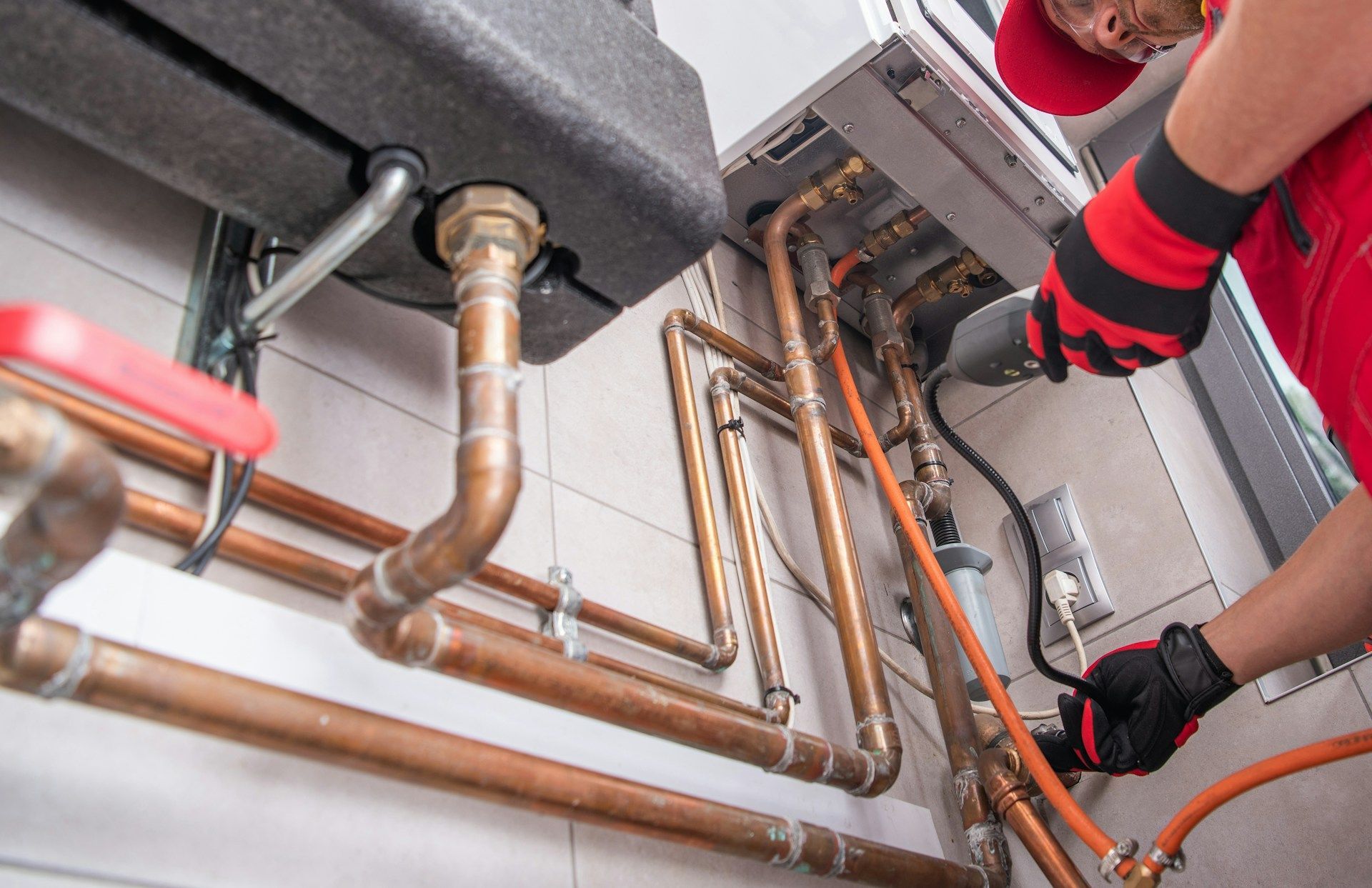
When it comes to staying warm during Connecticut's cold winters, choosing between a boiler and a furnace is one of the most important decisions you'll make for your home. Both heating systems have served New England families well for generations, but they work in fundamentally different ways. Understanding these differences can help you make an informed choice that keeps your family comfortable while managing energy costs effectively. Here in Central Connecticut, including communities like Newington, CT, we've seen homes thrive with both types of systems. Connecticut's winters bring snow, freezing temperatures, and icy winds, so your heating system must be powerful, efficient, and reliable. The right choice depends on your home's existing infrastructure, your comfort preferences, and your long-term budget. Let's break down everything you need to know about these two popular heating options. Summary Boilers heat water to distribute warmth through radiators or radiant floor systems, while furnaces heat air and blow it through ductwork—this fundamental difference affects comfort, efficiency, and installation requirements. Boilers typically last longer (15-30 years) than furnaces (15-20 years) and often require less maintenance, but they come with higher upfront installation costs. Furnaces heat homes faster and are easier to pair with central air conditioning, making them ideal for homes with existing ductwork. For Connecticut's cold climate , both systems can perform excellently when properly sized and maintained, though boilers may offer more consistent warmth during extended cold snaps. Understanding How Each Heating System Works Before diving into the pros and cons, it helps to understand exactly how boilers and furnaces deliver heat to your living spaces. The core difference lies in what each system heats: water versus air. A boiler heats and distributes hot water or steam through the pipes to radiators or radiant floor heating to heat your home. This type of heating system works well in homes that don't have ductwork, plus homes that already have a radiant heating system. The heated water travels through pipes to radiators, baseboard units, or in-floor tubing, releasing warmth as it circulates. A furnace uses air to generate heat that is circulated to various rooms in the home, which is called a forced-air heating system. It moves cool air through a heat exchanger, where the air is warmed. The heated air then travels through ductwork to be evenly dispersed throughout the house via registers or vents. Key Takeaways Boilers use water or steam to distribute heat through radiators or radiant flooring, creating a more consistent warmth. Furnaces blow heated air through ductwork, providing quick temperature changes but potentially uneven heating. Your home's existing infrastructure often determines which system makes the most practical sense. Comparing Comfort and Air Quality When you're spending Connecticut's long winter months indoors, comfort matters tremendously. The way each system delivers heat creates noticeably different experiences in your home. Boilers provide even, radiant heat through radiators or in-floor systems and this type of heat feels natural. It warms objects in the room, not just the air. Many homeowners describe radiant heat as more comfortable because it doesn't create the temperature swings that forced-air systems sometimes do. Since boilers don't blow air, they don't spread dust or allergens. This can be better for people with allergies or asthma, making boilers particularly appealing for families with respiratory sensitivities. Furnaces, on the other hand, heat homes quickly by blasting warm air directly into living spaces. Furnaces are great for quickly warming up a home, thanks to their ability to push warm air directly into living spaces. However, the forced-air system can blow dust, allergens, and other particles throughout your home, which may require more attention to air filtration. Additionally, blown warm air tends to dry out the air in your home, which may require adding a humidifier. For Newington, CT, residents and others throughout Central Connecticut, both comfort considerations are worth thinking about carefully. Our cold winters mean your heating system runs frequently, so even small differences in comfort can add up over months of use. Key Takeaways Boilers deliver consistent, radiant warmth without circulating dust and allergens through your home. Furnaces heat spaces quickly but may create temperature fluctuations and dry air that requires a humidifier. If indoor air quality is a priority for your family, boilers often have an advantage. Energy Efficiency and Operating Costs Understanding efficiency ratings and operating costs helps you make a financially sound decision for your household. Both boilers and furnaces are measured using Annual Fuel Utilization Efficiency (AFUE) ratings, which tell you how much of the fuel consumed actually becomes usable heat. High-efficiency boilers have AFUE ratings between 90% and 95%, while gas and propane furnaces can reach up to 98% AFUE. However, raw efficiency numbers don't tell the whole story. Duct losses can reduce furnace efficiency by 10–15%. In contrast, boilers deliver heat directly to radiators or radiant systems, minimizing waste. Boilers usually use less fuel to heat your home, which could potentially mean lower energy costs. This is because heating water takes less energy than heating air. However, furnaces are less expensive to install but can have higher ongoing energy bills, especially in older homes with leaky ductwork. Boilers may cost more upfront but usually have lower monthly fuel costs due to superior heat retention. For Connecticut homeowners, fuel type also plays a significant role in operating costs. Natural gas is typically the most economical option, but costs depend on local energy prices. Many older homes in our region still rely on oil heat, which both boilers and furnaces can accommodate. Key Takeaways While high-efficiency furnaces can achieve higher AFUE ratings on paper, duct losses often reduce their real-world efficiency. Boilers typically have lower monthly operating costs because they transfer heat more directly and efficiently. Your fuel source (natural gas, oil, propane, or electric) significantly impacts long-term operating expenses. Lifespan and Maintenance Requirements When investing in a major home system, longevity matters. How long will your new heating system last, and what kind of upkeep does it require? Boilers last longer than furnaces across all fuel types. The typical lifespan of a boiler is around 20 years, while furnaces generally last between 15 to 30 years on average. Electric furnaces can last 20 to 30 years, and gas furnaces can last 20 to 25 years. Maintenance needs differ between the two systems as well. Boilers do not have filters that require cleaning and have fewer moving parts. Boilers require annual professional inspections and occasional pressure checks. They typically need fewer service visits than furnaces, though leaks can be expensive if ignored. Furnaces need regular filter replacements every 1–3 months, annual cleaning, and blower inspections. Neglecting maintenance can lead to airflow issues and efficiency loss. Furnaces are better suited for do-it-yourself repairs and furnace maintenance like resetting your circuit breaker, replacing a clogged filter or installing a new safety switch. Key Takeaways Boilers generally outlast furnaces and require less frequent maintenance due to fewer moving parts. Furnaces need regular filter changes and more hands-on upkeep but offer easier DIY repair options. Annual professional maintenance extends the life of both systems significantly. Installation Costs and Home Compatibility Your home's current setup plays a major role in determining which heating system makes financial sense. Installation costs vary significantly based on what infrastructure already exists. In terms of costs, furnaces are cheaper than boilers since the former is more commonly used. A boiler system needs pipes, radiators, or radiant floor loops. A furnace system needs ducts and vents. If your home already has ductwork, upgrading to a high-efficiency gas or propane furnace may be most cost-effective. Homes without ducts often benefit more from a modern boiler system. In the United States, boilers are not currently widely used for home heating. They are predominantly found in older homes, particularly in the northeastern region. This makes our area somewhat unique—many Connecticut homes, especially older ones in communities like Newington, CT, already have radiator systems that work perfectly with boilers. One practical advantage of furnaces: they can easily be paired with a central air conditioning system for year-round comfort since both use the same ductwork. Boilers only provide heating and don't have cooling capabilities, so you'd need a separate cooling solution if you choose a boiler system. Key Takeaways Furnaces cost less to install upfront, especially in homes with existing ductwork. Boilers work best in homes that already have radiators or radiant heating infrastructure. If you want combined heating and cooling through one duct system, a furnace makes integration simpler. Which System Is Best for Connecticut's Climate? Because Connecticut experiences long winters and occasional sub-zero temperatures, your heating system must handle extreme conditions without compromising comfort. Both boilers and furnaces can absolutely meet this challenge when properly sized and maintained. Oil or propane furnaces provide powerful heat in cold snaps and can quickly bring a cold home up to temperature. This rapid heating ability is particularly helpful when you return home after being away or during sudden temperature drops. Boilers, meanwhile, excel at maintaining consistent warmth over extended periods. Their radiant heat doesn't cycle on and off as frequently, which many homeowners find more comfortable during Connecticut's coldest stretches. The steady warmth from radiators or radiant floor systems can feel more natural than the intermittent blasts of warm air from a furnace. For homeowners exploring their options, understanding the different types of boiler systems available—including hydronic, steam, and high-efficiency models—can help narrow down the best fit for your specific needs. Key Takeaways Both systems can effectively handle Connecticut's harsh winters when properly sized for your home. Furnaces offer faster warm-up times, while boilers provide more consistent, steady heat. Consider your household's heating patterns when deciding which system suits your lifestyle better. Making the Right Choice for Your Home Choosing between a boiler and furnace ultimately comes down to your specific situation. Here are some guiding principles to help you decide: Consider a boiler if: Your home already has radiators or radiant flooring, you prioritize consistent warmth and better air quality, you want a system with lower long-term maintenance needs, or you're planning to stay in your home long enough to recoup the higher initial investment through energy savings. Consider a furnace if: Your home already has ductwork in good condition, you want lower upfront installation costs, you prefer rapid heating capability, or you want to integrate heating and cooling into one system. Either way, installation quality is always the most important thing for residential HVAC projects. Working with experienced professionals ensures your system is properly sized, correctly installed, and optimized for Connecticut's demanding climate. If you'd like to learn more about our family-owned company and approach to helping Central Connecticut homeowners find the right heating solutions, we're always happy to have a conversation. You can also explore our blog for more helpful home comfort tips and insights. Let Us Help You Stay Warm This Winter Whether you're leaning toward a boiler or furnace for your Connecticut home, the most important step is working with knowledgeable professionals who understand our local climate and can help you evaluate your options honestly. Since 1976, our family has been helping homeowners throughout Newington, CT, and Central Connecticut make smart heating decisions. If you're ready to explore which heating system is right for your home, or if you need service on your existing boiler or furnace, give us a call at  860-585-8139  . We'll take the time to understand your needs and help you find the solution that keeps your family comfortable for years to come.
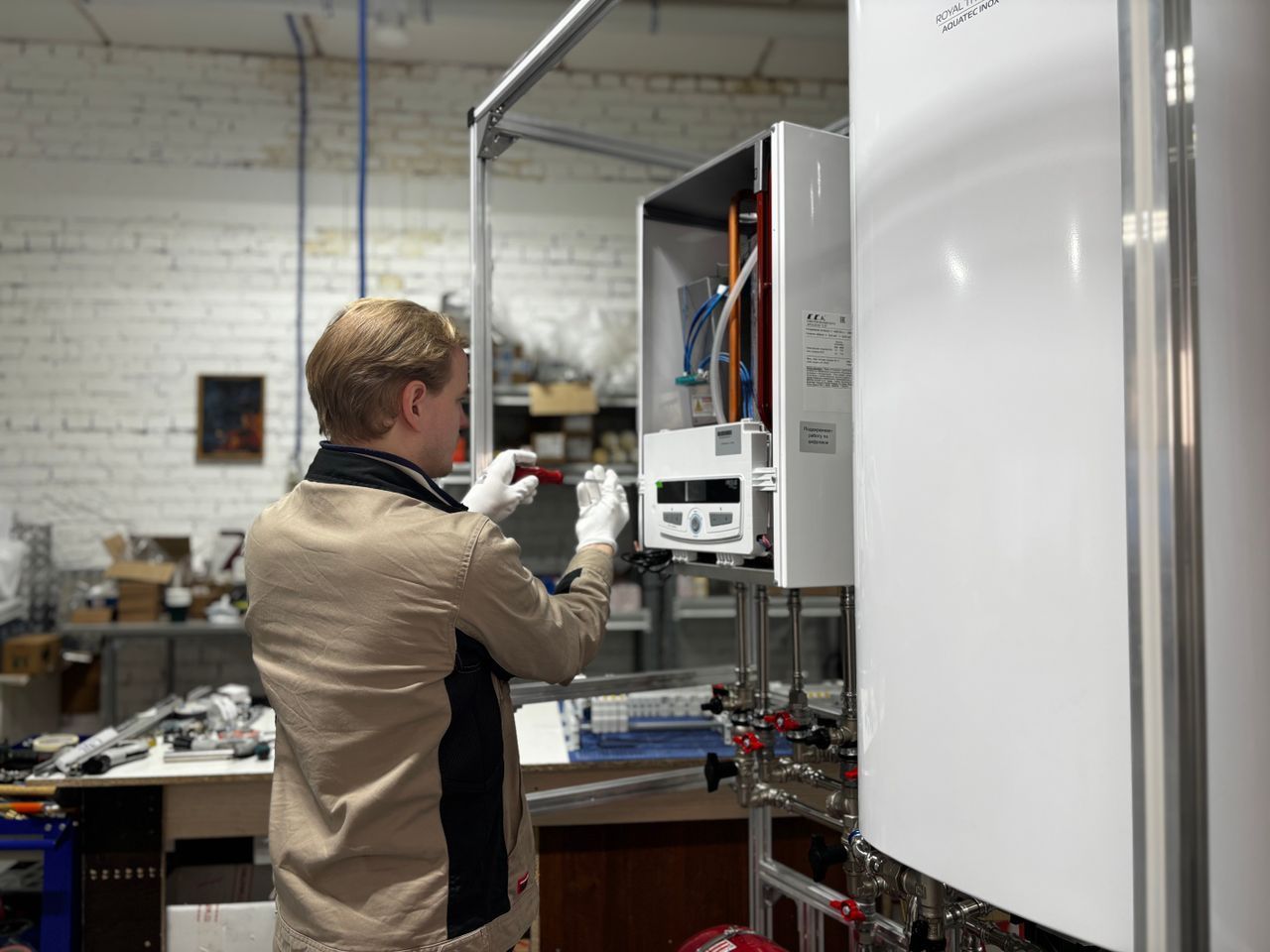
A person in gloves repairs a boiler unit; inside an industrial setting.
September 24, 2025
Spot water heater trouble before facing a cold shower emergency. Learn the 5 warning signs Central Connecticut homeowners should watch for and when to call a pro.
Blue boiler with copper pipes installed in a basement.
September 17, 2025
Discover how long boiler installation takes in Bristol, CT. Learn about factors affecting timelines, preparation requirements, and planning tips from local heating experts.
Modern bathroom with green and gray tiles, white fixtures, and a brown vanity.
September 2, 2025
Learn key warning signs your boiler needs repair, optimal timing for Bristol CT homeowners, and cost-effective decision factors. Expert guidance for heating system maintenance.
A bathroom with a bathtub , sink and water heater.
July 23, 2025
Learn when to replace your water heater, compare options, and understand installation requirements. Expert guidance for Bristol, CT homeowners.
A man is holding a notebook and a pen while working on a boiler.
July 23, 2025
Discover essential heating repair tips for Bristol homeowners. Learn warning signs, maintenance strategies, and how to choose heater repair services for Connecticut winters.
A man wearing a hard hat and gloves is working on a boiler.
July 23, 2025
Learn proper tankless water heater cleaning techniques for Bristol homes. Our guide helps prevent mineral buildup, extend appliance life, and maintain performance.
A man is fixing a boiler with a screwdriver.
July 23, 2025
Planning a boiler installation in Bristol CT? Learn the typical timeline (1-3 days), factors affecting installation speed, and how to prepare your home for service.
An air conditioner is mounted on the side of a building.
July 15, 2025
Discover the ideal HVAC filter replacement schedule for Bristol homes. Learn how seasonal changes, pets, and allergies affect timing, plus get expert tips from Chiarillo's.
A man is working on an air conditioner outside of a house.
May 24, 2025
Discover the key warning signs that indicate your Bristol home needs professional HVAC repair. Learn about emergency situations, cost considerations, and how to choose the right service provider.