Prevent HVAC Emergencies: Seasonal Warning Sign Checklist for Bristol Homeowners
Stay Ahead of Costly HVAC Emergencies This Year
A real HVAC emergency can turn your whole day upside down. In a Bristol winter, that might mean your heat quits during a freezing night. In the summer, it might be your AC shutting down in the middle of a heat wave and your home heating up fast. Both can be stressful and uncomfortable, and in some cases unsafe.
The good news is that most heating and cooling systems give small warning signs before they fail. Catching those signs early is usually simpler and less stressful than calling for emergency HVAC service at midnight. This checklist is meant to help you spot common problems in both winter and summer so you can act before you are stuck with no heat or no cooling.
Winter Red Flags: Heating Warnings You Should Never Ignore
In cold weather, your furnace or boiler is working hard. When something is off, your home will often tell you. Here are winter warning signs to watch for.
Uneven heat and cold spots
If you notice:
- Rooms that never quite warm up
- Big temperature differences between floors
- One bedroom that is always chilly
These can point to duct problems, a struggling furnace, or a system that is not sized right for your home. Over time, that strain can lead to a complete breakdown.
Strange furnace noises or smells
Some noises are normal, but be careful if you hear:
- Banging or clanging when the heat comes on
- Rattling or screeching that keeps repeating
- The furnace turning on and off every few minutes
New or strong odors also matter. A burning or metallic smell can mean electrical issues or dust on hot parts. A rotten egg odor from a gas system can signal a serious gas problem, and the system should be shut down while you arrange emergency HVAC service.
Pilot light, burner, and flame issues
Gas furnaces and boilers should have steady blue flames. Warning signs include:
- Yellow, orange, or flickering flames
- Pilot lights that go out often
- Trouble restarting the system
These problems can be linked to combustion or venting issues that can affect both safety and efficiency. They are not something to ignore or try to fix on your own.
Rising winter energy bills
If your gas or electric bill suddenly jumps and you have not changed your thermostat settings, your furnace may be working overtime. Common causes include:
- Dirty filters that restrict airflow
- Failing parts such as blowers or motors
- Blocked ducts or vents
High energy use is often your first clue that the system is struggling and needs professional attention.
Summer Cooling Clues: Catch AC Trouble Before It Fails
When Bristol gets hot and humid, your AC is just as important as your heat in winter. Paying attention to small changes can save you from a sudden breakdown.
Warm air, weak airflow, or short cycling
Watch out if you notice:
- Vents blowing lukewarm or warm air
- Barely any air movement from some vents
- The AC starting and stopping every few minutes
These can point to low refrigerant, frozen coils, blower problems, or thermostat troubles. All of them can turn into a full failure if you wait too long.
Moisture, leaks, and ice buildup
Moisture should be draining away from your indoor unit, not gathering around it. Warning signs include:
- Water pooling near the indoor unit or drain line
- Ice forming on refrigerant lines
- A frozen evaporator coil
Ignoring leaks or ice can lead to damaged parts and a system that suddenly stops during a heat wave, when emergency HVAC service is in high demand.
Odd sounds and smells from the AC
Your AC should sound like a steady hum, not a toolbox. Pay attention to:
- Grinding, buzzing, or loud clicking that does not stop
- Musty or moldy smells from vents
- Burning or sharp chemical odors when the system runs
Smells can be linked to mold in the system or problems with wiring or motors, which affect both comfort and safety.
High humidity and sticky rooms
If your home feels sticky even though the AC is on and the thermostat is set where you like it, the system may not be removing enough moisture. That can mean:
- The system is oversized or undersized
- Air is bypassing coils
- The unit needs cleaning or maintenance
Poor dehumidification is more than a comfort issue. It can also affect indoor air quality and can be a sign that your system needs a closer look.
Quick Homeowner Checks Before You Call for Help
There are a few simple checks you can safely do before calling for service. These do not replace professional work, but they can clear up easy issues.
Simple safety and performance checks
- Confirm the thermostat is set to heat or cool, not just fan
- Make sure the fan setting is on auto, not on, if you want normal cycling
- Replace thermostat batteries if the screen is blank or fading
- Replace dirty air filters every 1 to 3 months, and always before peak winter and summer
Visual inspections you can safely do
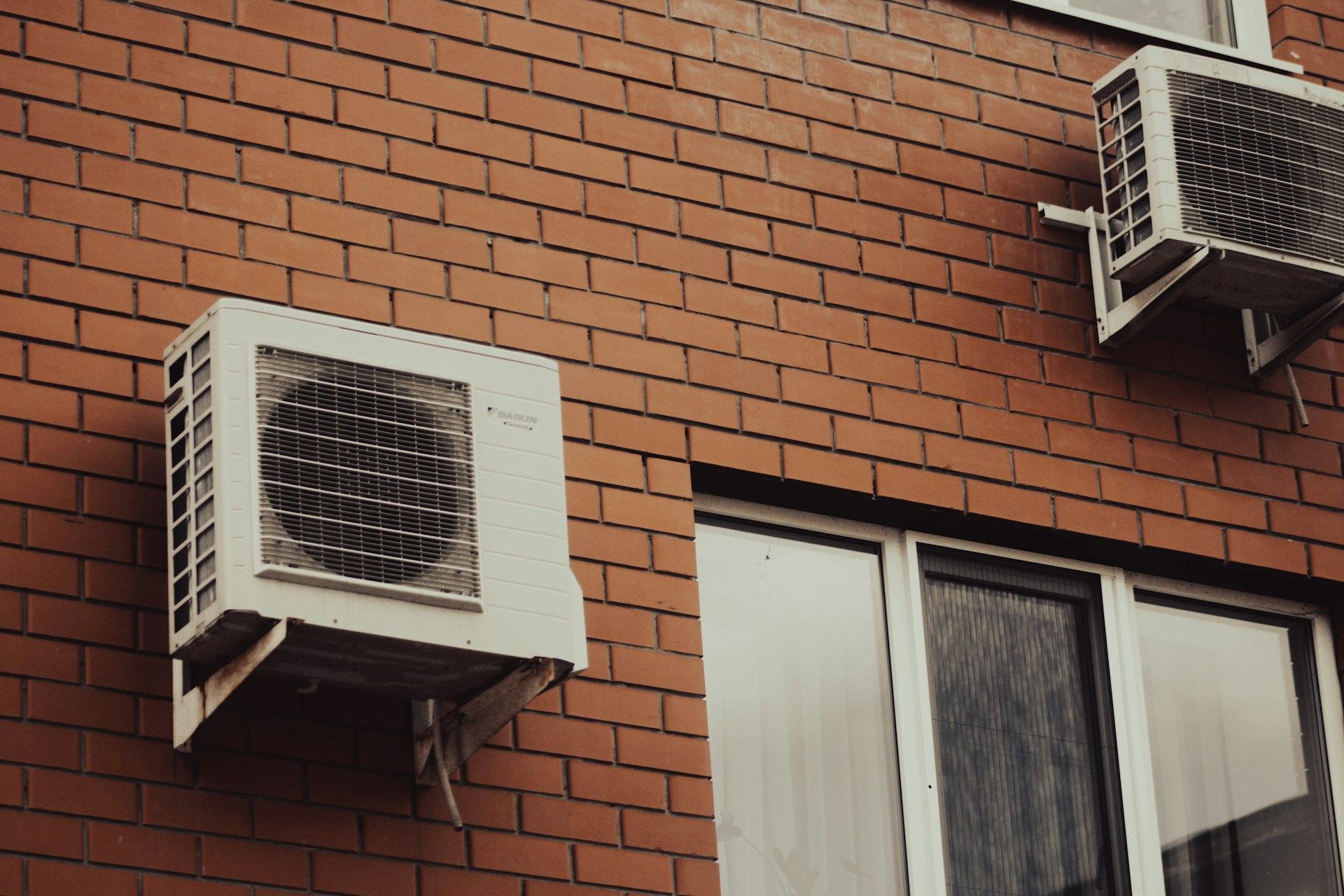
- Look at outdoor units and clear leaves, branches, or snow so there is at least 2 feet of open space around them
- Check that supply and return vents are not blocked by furniture, rugs, or curtains
- Make sure registers are open in the rooms you use most
When to stop DIY and call a pro
You should shut the system off and get professional help if you notice:
- Burning smells or smoke
- Gas or rotten egg odors
- Loud metal-on-metal grinding or banging
- Visible sparks or arcing
If the outside temperature is very low or very high, if you have infants, older adults, or anyone with health concerns in the home, or if the system will not run at all, that can move the situation from a normal service visit to an urgent need for emergency HVAC service.
Seasonal Checklist to Prep Your System for Bristol Weather
A simple seasonal habit can keep you ahead of most problems.
Late spring checklist for summer cooling
- Arrange an AC tune-up and cleaning before the first stretch of 85- to 90-degree days
- Test-run your AC on a mild day
- Listen for new sounds and feel for steady, cool airflow
- Walk through the house and check for rooms that do not cool evenly
Early fall checklist for winter heating
- Plan a furnace or boiler safety inspection before overnight lows drop into the 30s
- Test your heat on a cool evening and listen for odd noises
- Check carbon monoxide and smoke detectors, replace batteries, and test alarms
- Make sure detectors are on each floor and near sleeping areas
Year-round safety and comfort habits
- Keep a simple log of new noises, odors, or changes in performance
- Note the date when you change filters
- Set reminders on your phone for seasonal system test-runs
- Write down any error codes that appear on your thermostat or equipment
These small steps help your technician understand what is going on and can prevent the same issues from coming back.
Protect Your Home with Local, 24/7 HVAC Support
Having a trusted local team that knows Bristol weather and the way many New England homes are built can make a big difference when something goes wrong. When the same professionals care for your system over time, they can spot patterns, suggest smart maintenance, and help reduce repeat breakdowns.
There are times when waiting is risky, such as no heat during freezing weather, AC failure during dangerous heat, strong gas or burning smells, water gathering near your equipment, or breakers that keep tripping when the system runs. Any of these can be a sign that you need fast help. At Chiarillos HVAC, we provide heating, cooling, and plumbing service for homes and businesses in and around Bristol, along with 24-hour emergency HVAC service so you are not alone when trouble hits.
Restore Comfort Fast With 24/7 HVAC Experts You Can Trust
When your heat or AC fails unexpectedly, you should not have to wait for reliable help. At Chiarillos HVAC, we are ready around the clock with trusted
emergency HVAC service to get your system running again quickly and safely. Tell us what is going on and we will walk you through your options, give clear pricing, and schedule rapid service. If you are facing an urgent issue right now,
contact us so we can get your home comfortable again.