Decoding Furnace Cleaning for Better Air and Lower Bills
Breathe Easier and Save More with a Clean Furnace
Furnace cleaning helps your home in two big ways: cleaner air and steadier heating bills. When your furnace is dirty, it has to work harder, and the air blowing through your vents can carry extra dust and odors.
As cooler nights settle over Bristol and we spend more time indoors, the air in your home gets used over and over. A clean furnace helps that air stay fresher and your system run more smoothly when you first turn the heat on for the season. Regular cleaning also lowers the chance of a surprise breakdown on a cold night.
In this article, we will walk through what furnace cleaning really includes, how it affects your air and energy use, signs you need service, and what should be left to a professional versus quick homeowner checks. As a local HVAC and plumbing contractor here in Bristol, we see what New England winters can do to heating systems, and we want to help you be ready.
What Furnace Cleaning Actually Includes
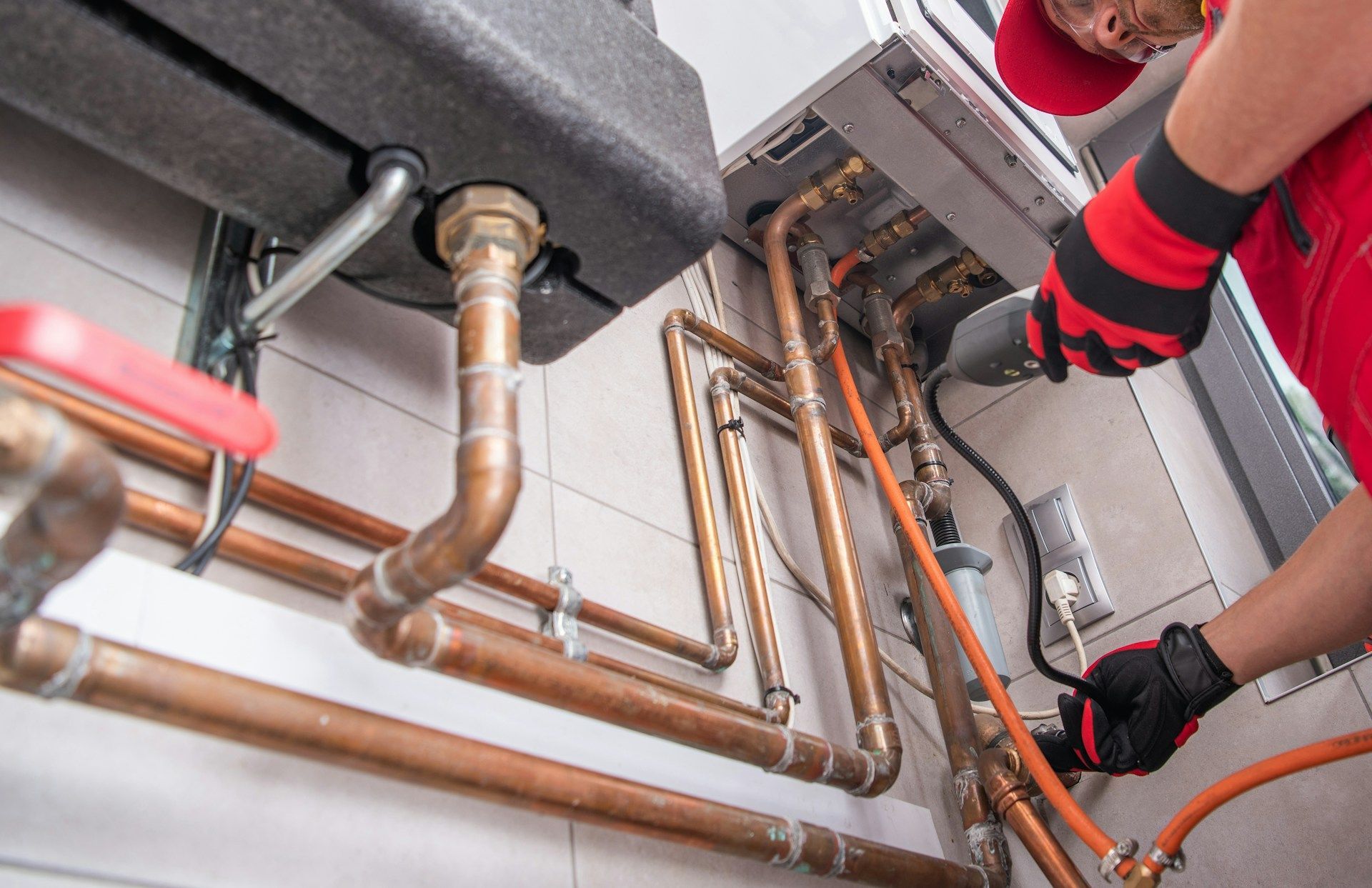
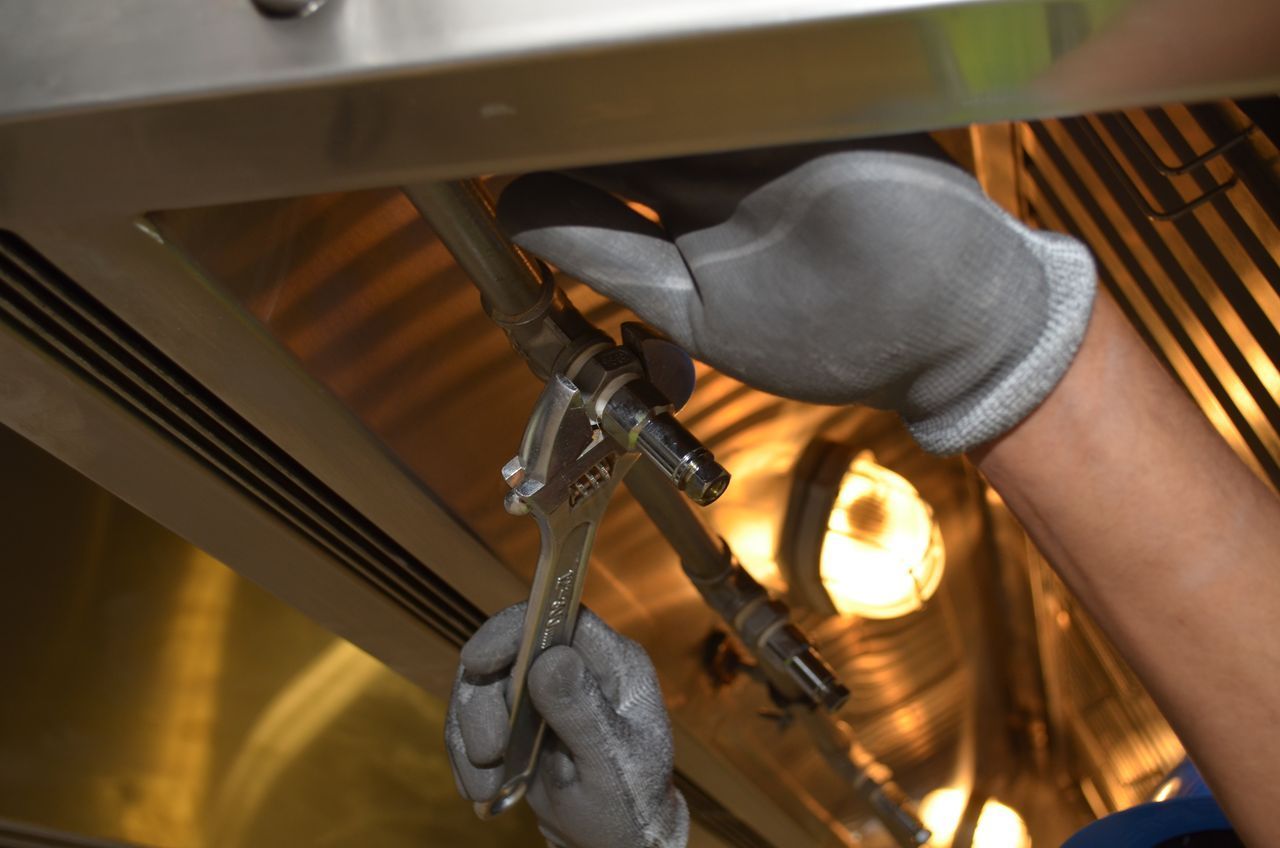
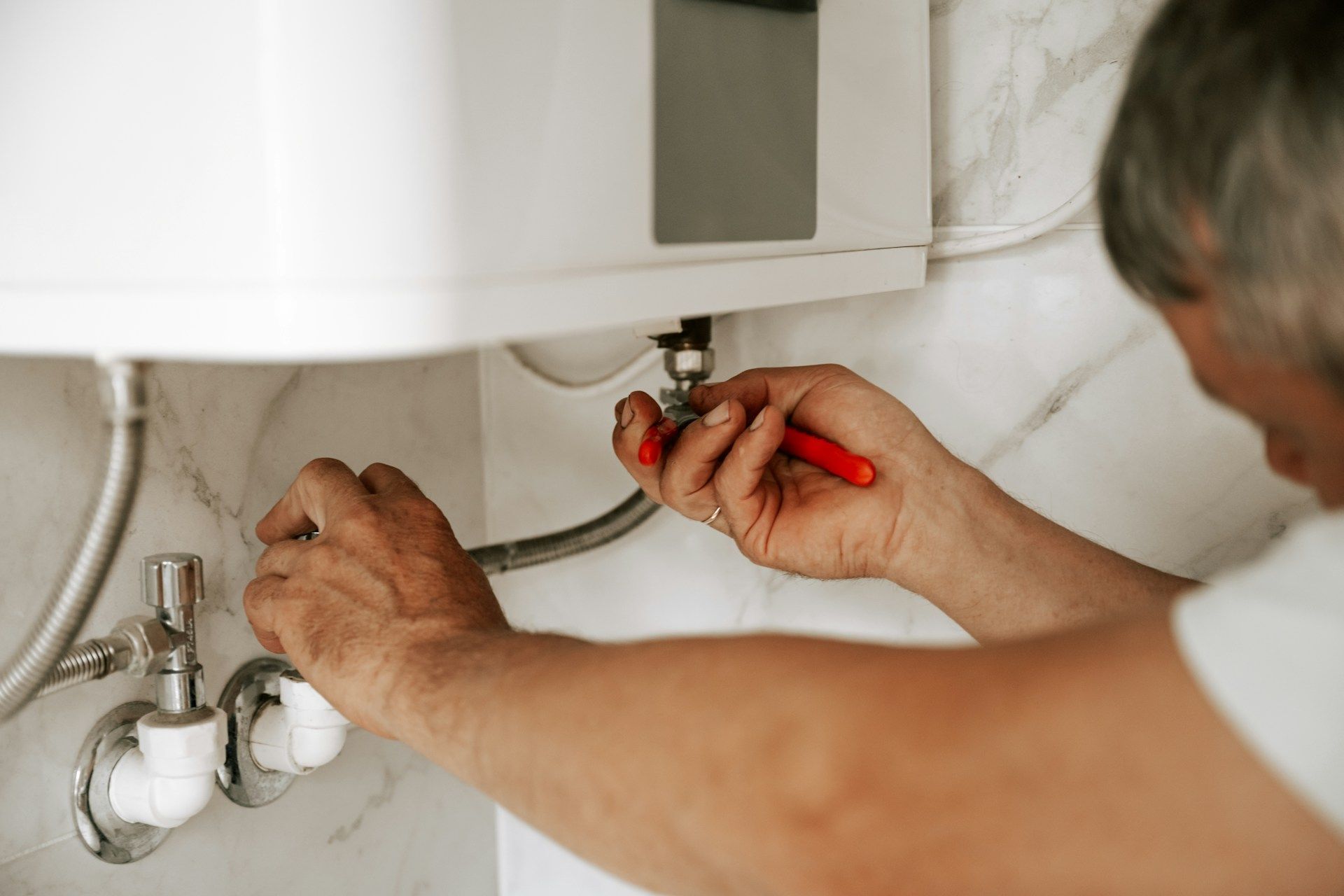
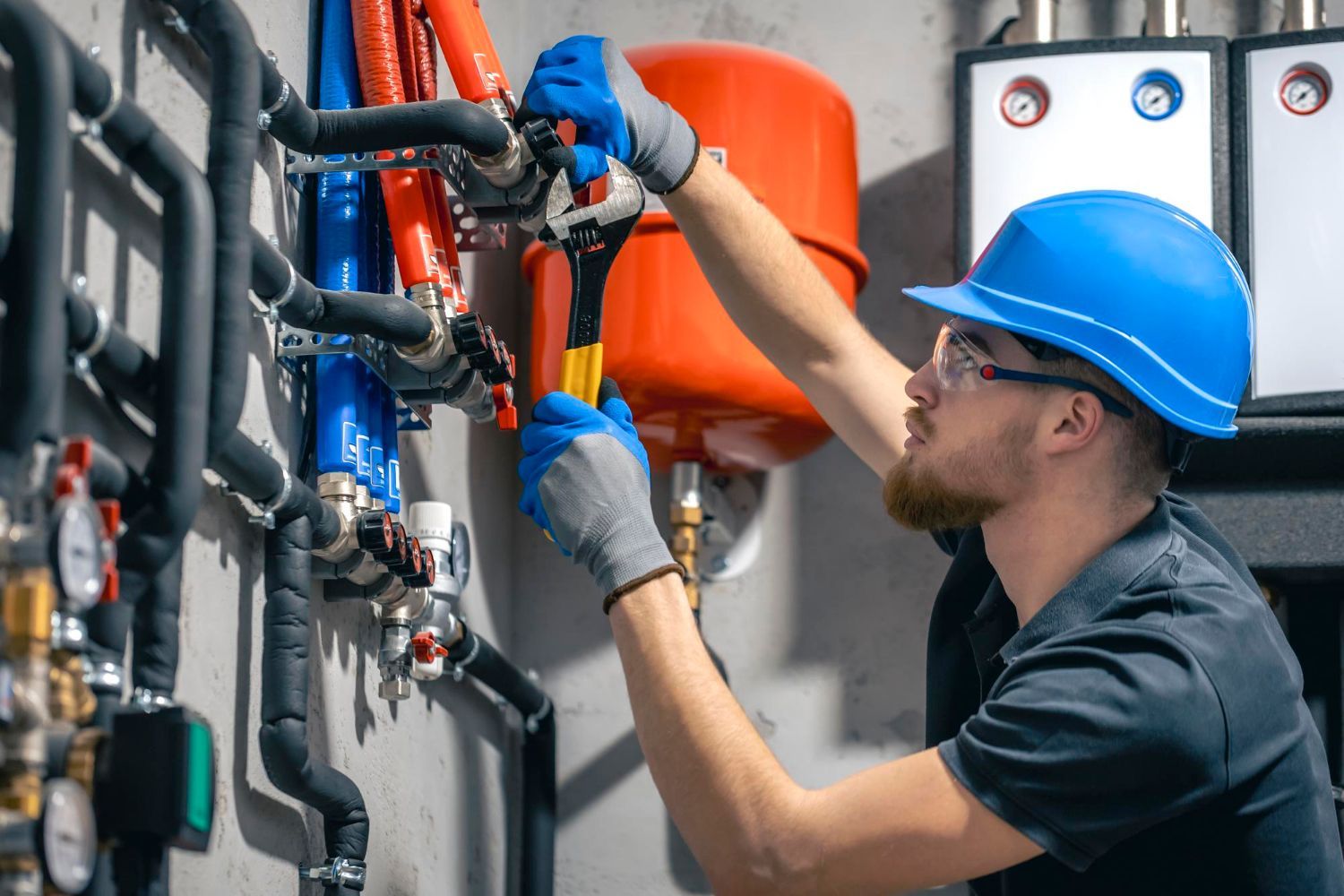
Furnace cleaning is much more than just changing the filter. A proper visit looks at the whole system, inside and out, to clear out buildup and catch small issues early.
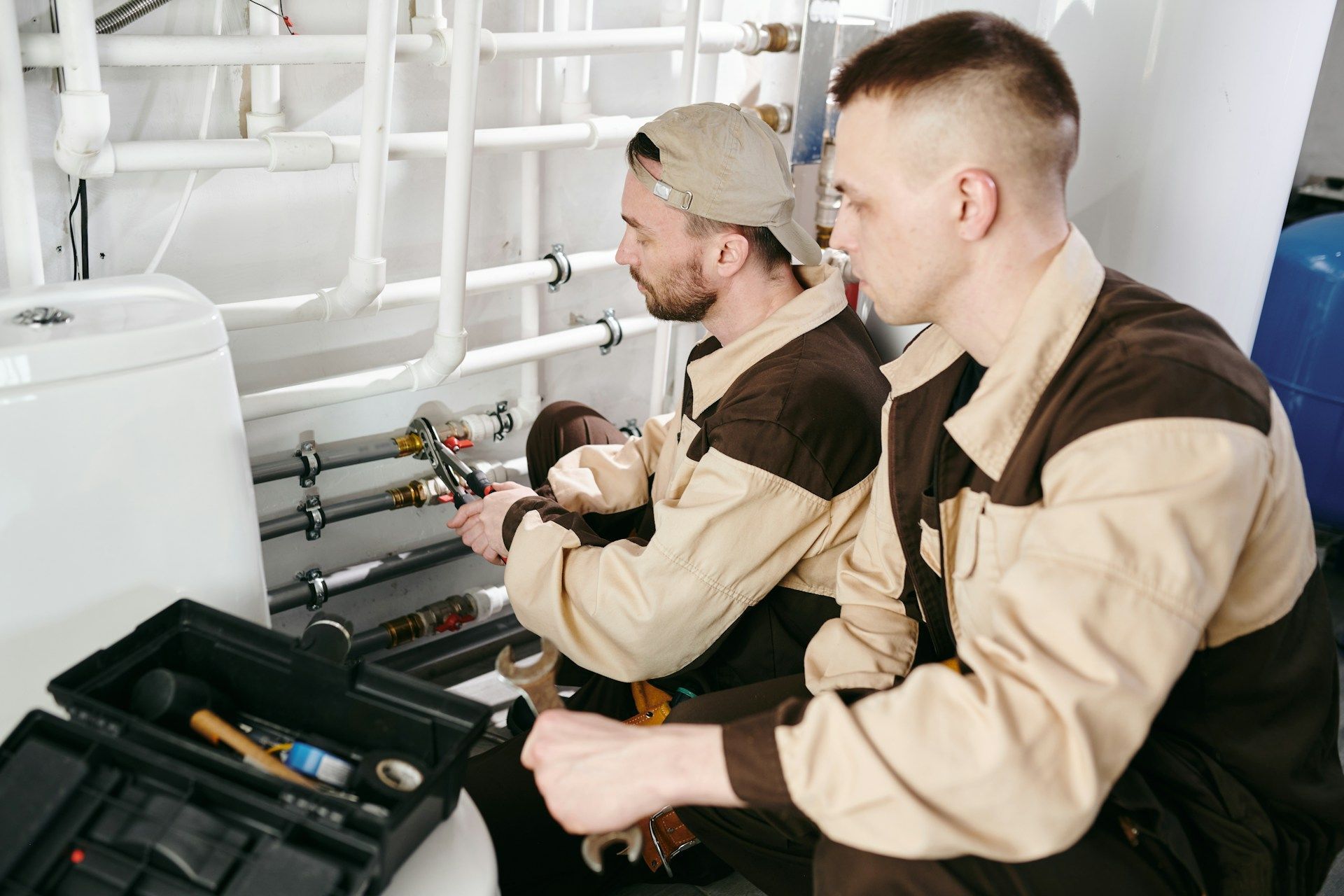
A professional cleaning usually includes steps like:
- Shutting off power and gas before any work begins
- Carefully opening the furnace cabinet to reach internal parts
- Vacuuming dust, dirt, and pet hair from inside the cabinet
- Checking and cleaning burners and ignition parts
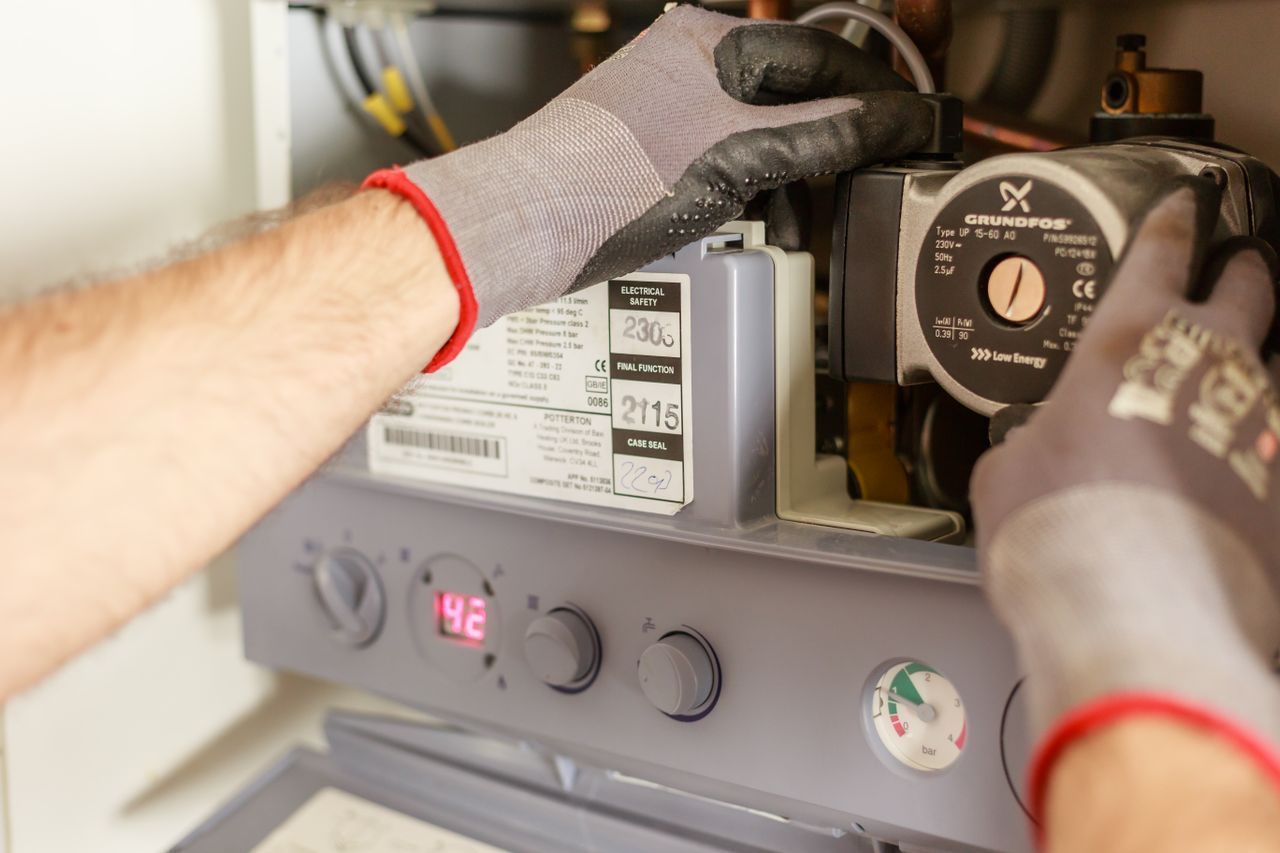
- Inspecting and cleaning the blower wheel and surrounding area
- Looking over the venting system that carries combustion gases out
Burners and ignition components can build up a thin layer of dirt or rust. If these parts are not cleaned the right way, the flame may not burn as cleanly, which can affect both safety and performance. The blower wheel, which moves air through your ducts, often collects dust on the blades. That buildup can slow airflow and strain the motor.
There is a difference between a quick tune-up and a thorough cleaning and inspection. A fast visit might only include basic checks and a filter swap. A deeper service will open the furnace, clean key parts, test safety controls, and look closely at the heat exchanger area and venting. It is worth knowing what your service includes so you understand what you are getting for your money.
We work on a wide range of leading furnace and heating brands, so we know how different units are built and how to clean them safely without damaging parts or missing hidden problem spots.
Cleaner Furnace, Cleaner Air for Your Family
Over time, dust, pet dander, and other particles settle inside your furnace and ductwork. Each time the heat kicks on, some of that material can get lifted and pushed into the air you breathe.
A clean furnace helps indoor air feel lighter and smell better. Many homeowners notice:
- Less dust floating around on sunny days
- Fewer burning or musty smells when the heat starts
- Less irritation for people with allergies or asthma
A big part of cleaner air is the filter. Your furnace filter is meant to trap particles before they enter the blower and ducts. Filters are rated by MERV numbers. Higher MERV ratings generally catch smaller particles, but every system has a filter range it is designed to handle. A filter that is too restrictive for your system can cut airflow too much.
When a filter is dirty, it becomes a solid wall for air. The furnace then has to work harder, and less air makes it into your rooms. That can leave some spaces chilly and others stuffy. Regular filter changes keep air moving freely while still catching dust.
A clean system also helps your furnace keep a steadier temperature and humidity level. You are less likely to have big swings between hot and cold or rooms that feel dry and uncomfortable. That steady comfort is one of the best signs that your system is clean and running well.
How Furnace Cleaning Cuts Heating Bills
A dirty furnace wastes energy in a few simple but costly ways. When air cannot move the way it should, or flames do not burn cleanly, your system has to run longer to reach the same thermostat setting.
Here is how that happens:
- Clogged filters restrict airflow, so less warm air reaches your rooms
- Dust on blower blades makes the fan less effective at moving air
- Dirty burners make fuel burn less cleanly and less efficiently
When airflow is blocked, your furnace may cycle on and off more often. That stop and start is hard on parts and uses more energy. With clean burners, the flame can heat the air more evenly, which helps your system reach the set temperature faster.
Regular cleaning and maintenance help prevent sudden jumps in your heating bills. They also support a longer working life for your equipment, since motors, igniters, and other parts are not constantly straining against dirt and buildup.
In Connecticut, fall cleaning is especially helpful if you want to be ready for that first real cold snap. Getting ahead of the heavy heating season can lower the chance of overtime repairs or being stuck without heat on a freezing night.
DIY Furnace Care vs Calling a Pro
There are a few simple things most homeowners can safely do to support a furnace between professional visits. These small habits make a real difference.
Safe homeowner tasks include:
- Replacing the furnace filter on the schedule your technician suggests
- Keeping at least a few feet of clear space around the unit
- Gently vacuuming floor and wall vents and the outside of return grilles
Beyond these basics, it is best to leave the work to a trained HVAC technician. Opening the furnace cabinet, cleaning burners and flame sensors, adjusting gas pressure, and inspecting the heat exchanger all require proper tools and training.
There are important safety concerns with gas or oil heat. Gas leaks, loose connections, or missed cracks in a heat exchanger can lead to serious risks, including carbon monoxide in the home. Improper reassembly after a DIY cleaning attempt can also lead to rattling parts, poor airflow, or early breakdowns.
We do provide 24/7 emergency support for heating problems, but we always suggest proactive furnace cleaning in early fall. It is usually less stressful and easier on your budget than waiting until the unit fails on the coldest night of the year.
Seasonal Furnace Cleaning Checklist for Bristol Homes
A simple seasonal routine can help keep your home safe, warm, and efficient.
Here is a helpful fall checklist:
- Schedule professional furnace cleaning and inspection
- Replace or upgrade your air filter if needed
- Test your thermostat and replace its batteries if it has them
- Clear furniture, rugs, and curtains away from vents and returns
- Check carbon monoxide detectors and install fresh batteries
In our climate, a good timing window for furnace cleaning is late summer through early fall. That way, your system is ready before days settle into the 40s and 50s and nights get even colder.
Most homes do well with furnace cleaning once a year. You may need more frequent visits if you have multiple pets, family members with allergies, or an older system that has seen many winters. During the same visit, we can also look at related equipment, such as whole-home humidifiers or water heaters, to help prepare your home for heavier winter use.
Keeping up with this simple checklist gives you more peace of mind and helps your furnace start the season strong, instead of fighting through layers of dust and hidden wear.
Make Your Home Safer And More Comfortable This Season
A clean, efficient furnace keeps your home comfortable and your energy bills under control. Schedule professional
furnace cleaning with Chiarillos HVAC so we can inspect, clean, and tune your system before problems surface. If you have questions or need a specific appointment time, simply
contact us and we will help you find the best option for your home.