Everyday Habits That Quietly Shorten Your Water Heater’s Life
Everyday Habits That Quietly Drain Your Water Heater
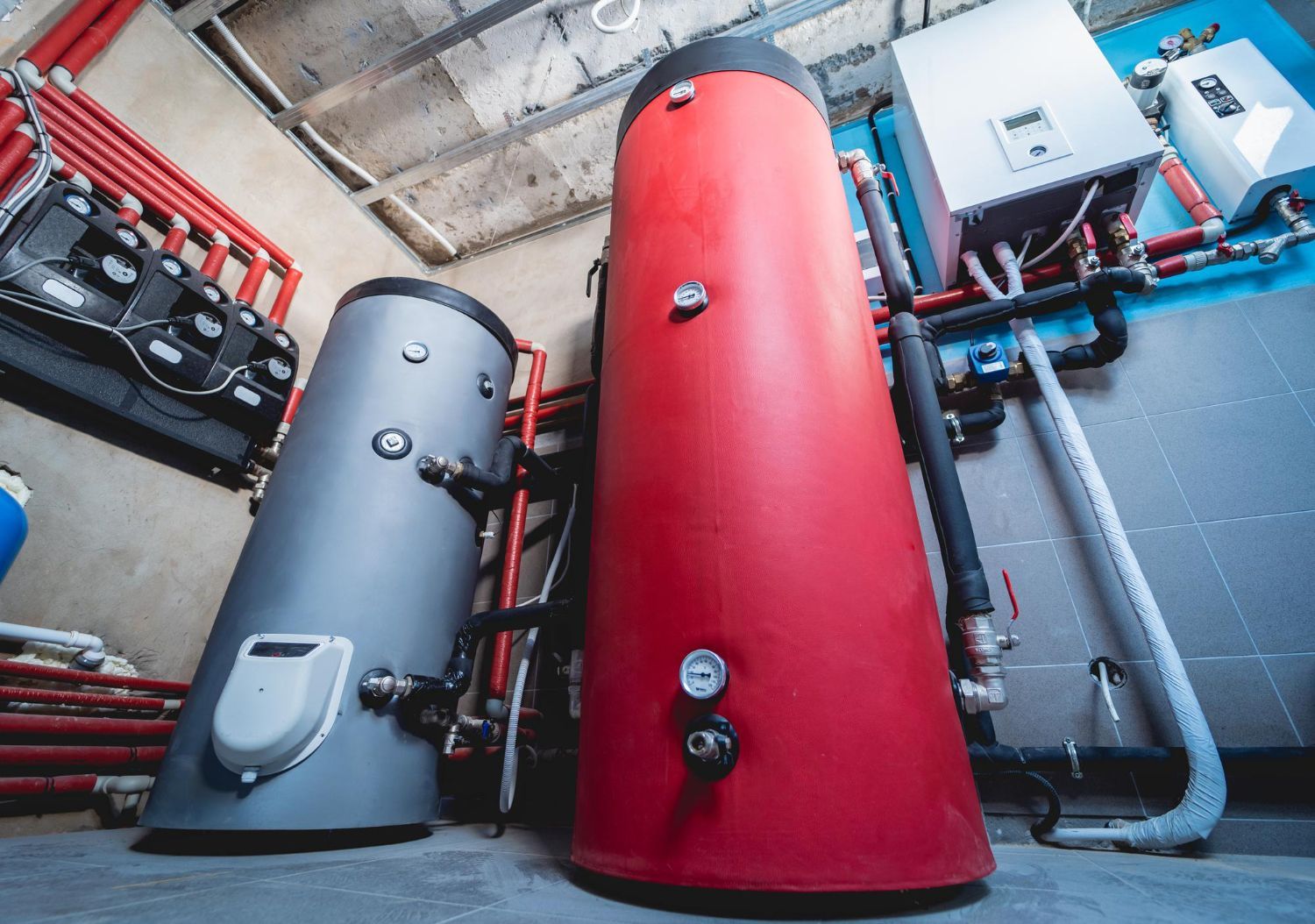
Your water heater works all day in the background, so it is easy to forget about it until something goes wrong. Long hot showers, turning the temperature up and down, or ignoring new noises can feel harmless, but over time they can slowly damage the tank and parts inside. That silent wear can lead to leaks, higher energy use, and cold showers when you need hot water the most.
Summer is a smart time to pay attention. Hot water demand may feel lower, but this is when you can get your system ready for the heavier use that comes with cooler weather in Bristol and nearby towns. We are going to walk through everyday habits that shorten your water heater’s life, signs of trouble to watch for, when a small fix is enough, and when it makes sense to plan for professional water heater installation instead of another repair.
Turning up the Heat: Temperature Mistakes
Many homeowners set the water heater hotter than they really need. When the thermostat is set above about 120°F, a few things happen at once. The risk of scalding goes up, the heater runs longer, and the extra heat can stress internal parts like heating elements, burners, and valves.
Common temperature mistakes include:
- Cranking the dial way up in winter for hotter showers
- Turning it up whenever water feels “not quite hot enough”
- Letting different family members change the setting all the time
- Running it hot to “kill germs” in dishes or laundry
Those frequent changes make the heater cycle more often. It has to reheat a full tank of water again and again instead of staying at a steady, safe level. That extra work can shorten the life of the unit.
In summer, some families turn the hot water higher after a day outside to make showers feel extra warm, or they see more guests using hot water. This is a good time to pick a safe set point around 120°F and leave it there. A steady, moderate temperature helps the heater last longer, keeps energy use under control, and still gives plenty of comfort.
Ignoring Sediment and Rust Until It Is Too Late
As water sits and heats inside the tank, minerals in the water supply can settle at the bottom. Over the years, that sediment hardens into a layer that acts like a blanket between the burner or element and the water. The heater has to work harder, run longer, and it can start to overheat in spots.
Signs that sediment is building up include:
- Popping, rumbling, or crackling noises from the tank while it heats
- Hot water that runs out faster than it used to
- The tank feeling extra hot at the bottom
Skipping yearly flushing gives that sediment time to build into a thick layer that is harder to remove. In areas with mineral content in the water, like around Bristol, this is a common problem.
Rust is another quiet enemy. If you see brown or rust-tinted hot water when you first turn on the tap, that can be a sign that parts inside the tank are corroding. The sacrificial anode rod inside your water heater is designed to rust away first so the tank does not. When that rod is never checked or replaced, the tank itself becomes the next thing to corrode. What could have been a simple maintenance visit can turn into a full water heater installation sooner than expected.
Daily Hot Water Habits That Add Hidden Stress
Even when the temperature is set right and the tank is clean inside, daily habits can put extra strain on your system. Long strings of hot water use give the tank little time to rest and recover.
Some examples are:
- Back-to-back showers for several people every morning
- Always washing clothes on the hottest setting
- Running the dishwasher only on heavy or high-heat cycles
- Filling large soaking tubs with very hot water often
Over time, that heavy use can speed up wear on burners, elements, and controls. The heater is constantly refilling and reheating, which means more expansion and contraction in the metal tank.
Another sneaky problem is dripping fixtures. A small drip from a hot water faucet or showerhead may not seem like much, but it keeps hot water moving through the pipes when no one is using it. That makes the heater cycle more often just to keep up with that slow, steady loss.
High water pressure can add to the stress. When pressure inside the home is too high, it pushes harder on every part of your plumbing, including the water heater. Over time, this can lead to leaks at valves, connections, or even the tank. Having a professional check your water pressure and address any ongoing issues protects both your heater and the rest of your plumbing.
Maintenance You Skip That Costs You Years of Life
Water heaters are built to run quietly and safely for a long time, but they do rely on a few key safety parts. When those parts are never checked, problems can grow in the background.
The temperature and pressure relief valve, or TPR valve, is a small device on the side or top of the tank. Its job is to open if pressure or temperature inside gets too high. If it sticks, corrodes, or leaks, it is more than an annoyance. It can shorten the life of the heater and may create a safety risk if pressure has nowhere to go.
An expansion tank is another piece that often gets overlooked. It gives heated water a place to expand so the main tank is not taking all that pressure. If the expansion tank is missing or failing, and if pipes and the main tank are poorly insulated, the whole system has to work harder, especially when the weather cools and incoming water is colder.
DIY repairs can also backfire. Tinkering with gas lines, electrical elements, or control settings without training can:
- Lower efficiency
- Damage sensitive parts
- Void manufacturer warranties
- Create safety concerns around gas or electricity
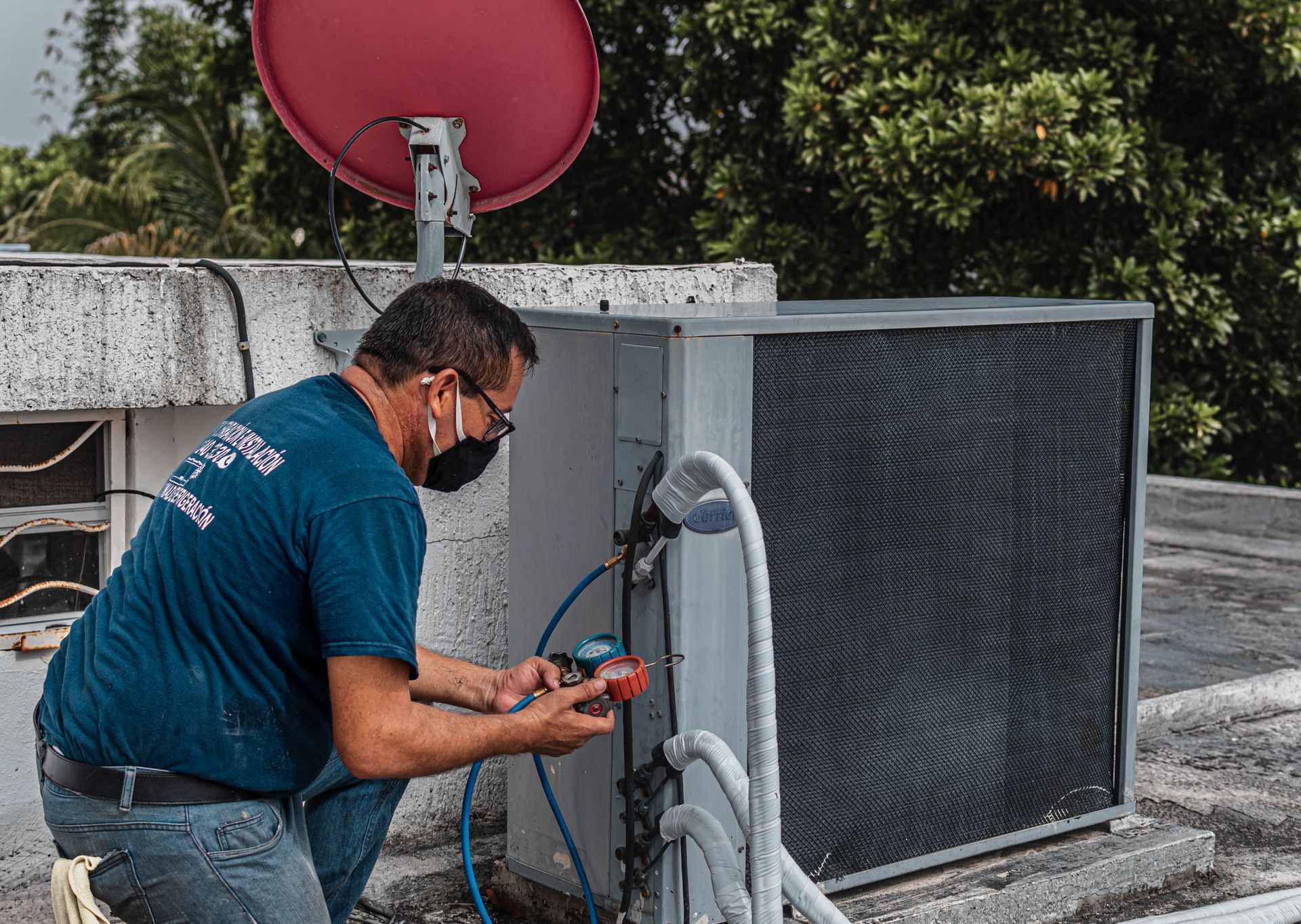
Having a qualified pro handle repairs and maintenance keeps the system working the way it was designed.
When Repair Is Not Enough: Planning Ahead for Replacement
Every water heater reaches a point where another repair is not the best choice. Planning ahead instead of waiting for a failure helps you avoid surprise cold showers and water damage.
Warning signs that it may be time to consider replacement include:
- Water pooling under or around the tank
- Loud banging, rumbling, or knocking that does not go away
- Frequent pilot light issues on gas units
- Hot water that runs out very quickly
- A heater that is getting old based on the label on the tank
When these signs show up, talking with a professional about water heater installation is often the smarter move. You can compare a traditional tank model with a tankless option, review different fuel types, and make sure the size fits your home’s hot water needs. A local Bristol area expert who works with both homes and small businesses can look at your current setup, your usage habits, and help you choose a system that fits your space and comfort goals.
Many homeowners find that late summer is a convenient time to plan a major service or a new water heater installation. Heating demand is lighter, scheduling can be easier, and you can head into cooler weather knowing your hot water system is ready for year-round use.
Simple Changes Today to Add Years to Your Hot Water
Small changes in daily habits and basic care can add years to your water heater’s life and help it run more smoothly. You do not need tools or special training to start treating your system a little better.
A quick homeowner checklist:
- Set the thermostat to around 120°F and leave it there
- Listen for new noises like popping or rumbling from the tank
- Watch for rusty or discolored hot water at the tap
- Fix or have a pro fix dripping hot water faucets and showerheads
- Ask for yearly flushing, anode rod checks, and safety valve inspections
By paying attention to these details and working with a local HVAC and plumbing professional when you notice changes, you can protect your home, your comfort, and your budget. In the Bristol area, a team like ours at Chiarillo’s HVAC can inspect your current system, help with repairs and maintenance, and guide you when it is time to choose a new water heater installation that fits your needs.
Get Started With Your Project Today
If you are ready to upgrade your home’s hot water, we are here to help you choose and install the right system. Learn more about our professional
water heater installation services and how Chiarillos HVAC can improve your comfort and efficiency. Have questions or need a quote? Simply
contact us and our team will walk you through the next steps.