Planning Gas Line Installation During a Kitchen Upgrade
Make Your Kitchen Upgrade Work Harder for You
Planning a kitchen remodel around fall usually comes with a clear goal: you want a more comfortable, more useful space before the busy season of guests and big meals. New cabinets and countertops are nice, but the real day-to-day comfort comes from how well your kitchen works. That is where planning gas line installation at the same time as your upgrade can make a big difference.
When you think about a gas line, you are talking about the piping that brings natural gas or propane to your appliances. During a remodel, many homeowners add or move gas lines for a new range, wall oven, cooktop, dryer, or even for a future outdoor grill. Doing this while walls and floors are already open can save time, cut down on mess, and give you more choices for the appliances you actually want, not just the ones that fit your current hookups.
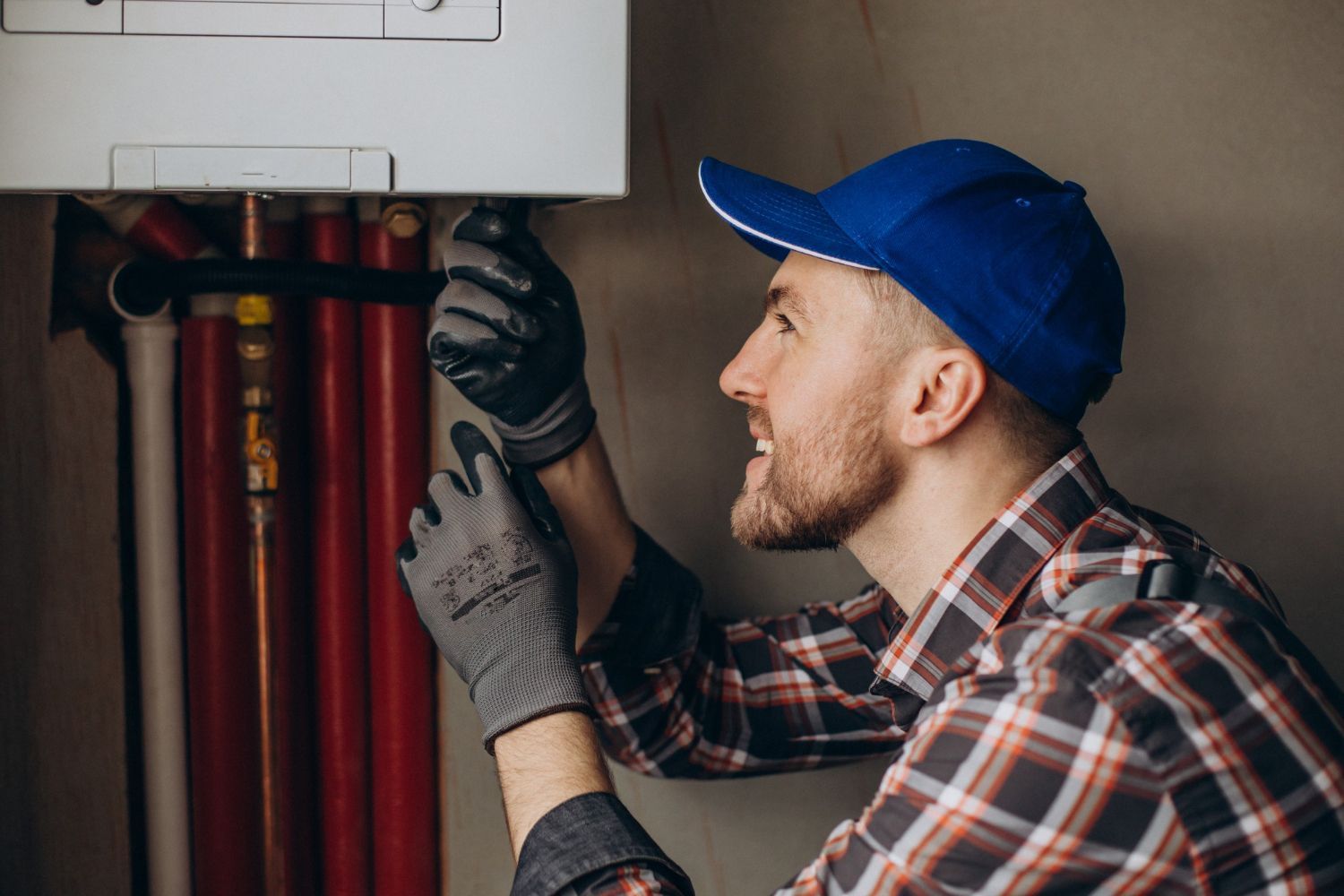
In and around Bristol, CT, you also need a licensed professional who understands gas line safety, heating and cooling equipment, and the plumbing that runs through the rest of your home. A team that works with all of these systems every day can help you plan gas line installation that fits your kitchen goals and still works smoothly with your furnace, boiler, water heater, and any other gas appliances.
Decide If a New Gas Line Fits Your Kitchen Goals
Before you change anything, it helps to ask what you want from your new kitchen. For many homeowners, switching to gas in the kitchen is about control and comfort. Gas burners respond quickly when you turn the knob, which makes simmering sauces or searing food feel more precise. Some people also like that certain gas appliances can keep working if the power goes out.
Here are common reasons people choose gas during a remodel:
- Better temperature control for cooking
- Faster response when you turn heat up or down
- The option to add features later, like a gas fireplace
- Added appeal for future buyers who prefer gas cooking
Think through which appliances might need gas, now or later:
- Gas range or slide-in range
- Separate cooktop and wall oven
- Double oven setup
- Gas dryer near the kitchen or laundry area
- Future outdoor kitchen or gas grill hookup
Planning gas line installation early can shape your layout. A gas range might change where you put cabinets, where your hood vent goes, and how you run electrical and plumbing. If you decide halfway through the project that you want gas, you could end up cutting into new drywall or tile to get a line in place. That means more dust, more time, and sometimes having to redo finished work.
Thinking ahead with your contractor and your gas line installer helps you:
- Choose appliances that match your cooking style and power needs
- Place cabinets and drawers so they do not block shut-off valves
- Plan venting for your range hood in the right spot
- Avoid paying again to move lines that could have been placed correctly the first time
Safety, Codes, and Permits You Can’t Afford to Ignore
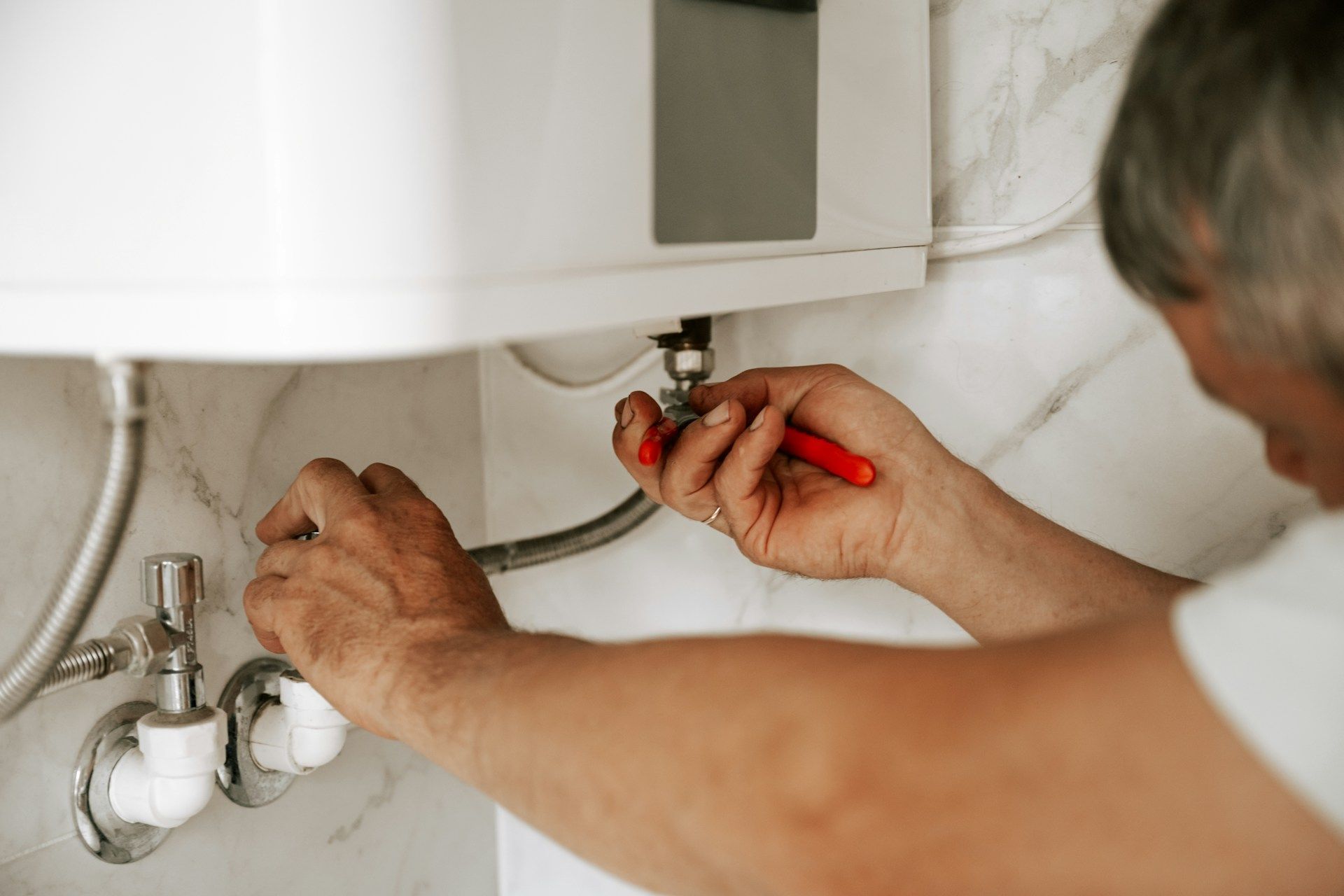
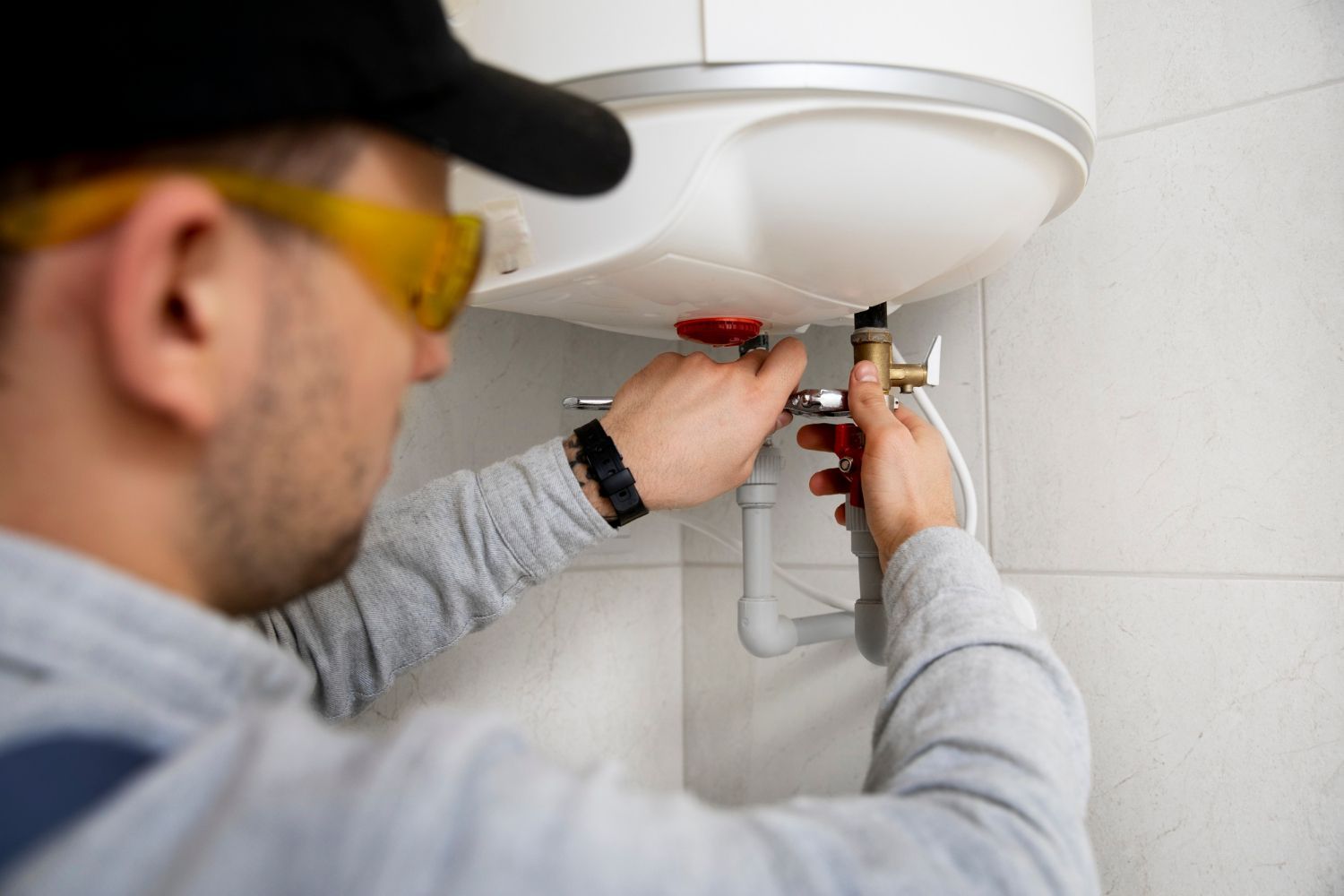
Gas line work is not a DIY project, and it should not be left to guesswork. Incorrect piping, poor connections, or the wrong materials can lead to leaks, carbon monoxide problems, or fire hazards. A licensed professional has the training to size the gas line correctly, use approved fittings, and test the system before anything is turned on.
In Bristol and nearby Connecticut towns, you should expect:
- Proper permits pulled through the local building department
- Pressure testing of new or modified gas lines
- Required shut-off valves at or near each gas appliance
- Inspections to confirm that work meets local codes
Your general contractor can help plan the layout, choose finishes, and keep the schedule on track. You and your designer decide things like cabinet style, countertop material, and where you want your range to sit. But when it comes to gas pipes, shut-off valves, and connection points, that is work for a licensed plumber or HVAC contractor who does gas line installation regularly.
A professional installer will explain what code requires, where lines can safely run, and how to keep everything reachable for maintenance. That way, your kitchen not only looks good, it also works safely for years.
Coordinate Gas Line Installation with Your Remodel Timeline
Gas work fits into your remodel best when it is planned around your design and appliance choices. The basic order usually looks like this:
- Finalize your kitchen layout and pick your appliances
- Share appliance model numbers and locations with your gas line installer
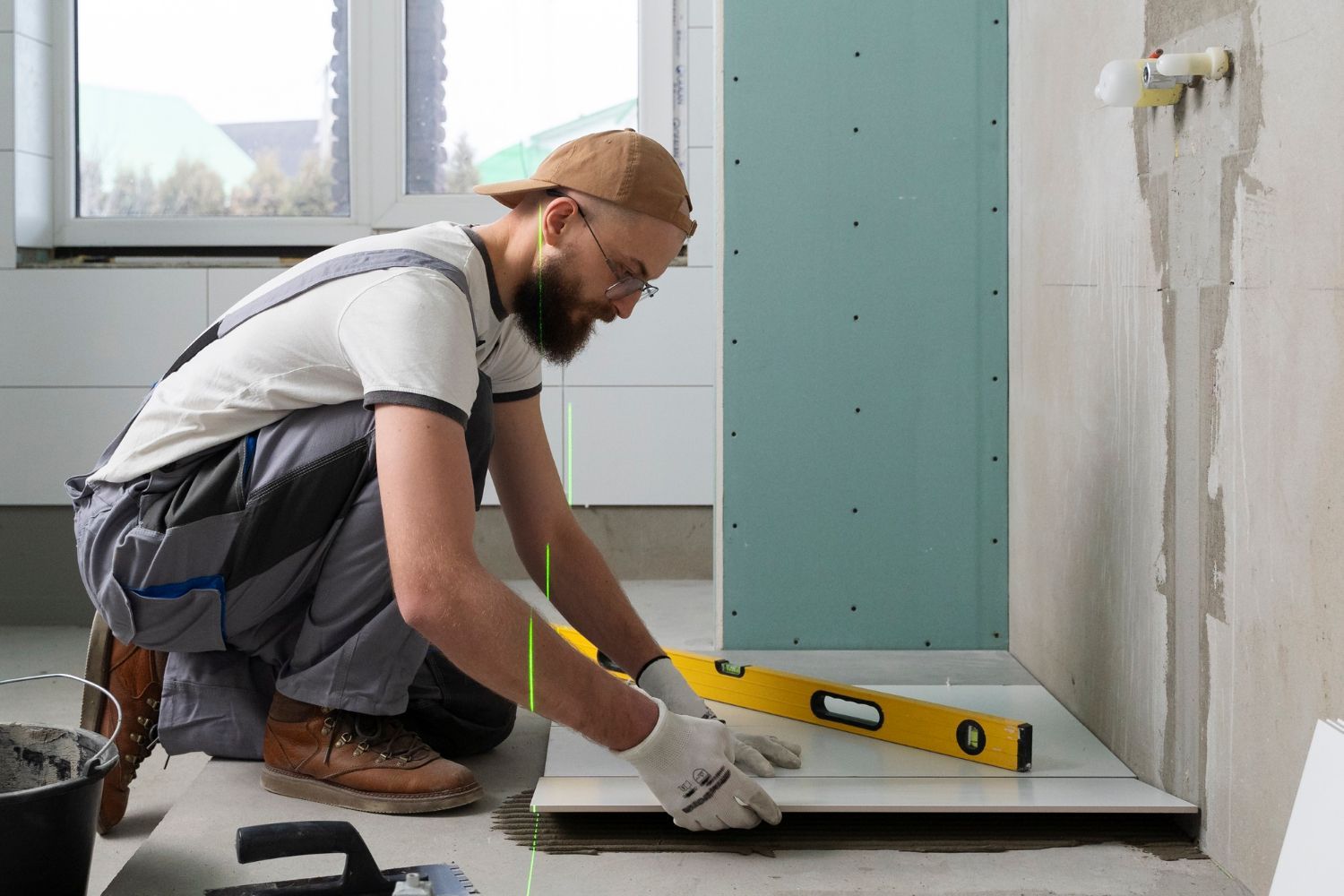
- Complete rough-in work while walls, ceilings, and floors are open
- Have inspections and pressure tests done
- Make final connections once appliances are in place
Running new gas lines is faster and cleaner when the framing is open. At that stage, your installer can see existing plumbing, electrical, and HVAC runs and find the safest, most direct path for the gas piping. Doing the job later often means cutting into finished surfaces, which can be noisy, dusty, and more disruptive.
Good timing also helps your comfort. Planning gas line installation along with other work lets you:
- Coordinate with electrical and plumbing changes
- Keep your kitchen out of service for a shorter stretch
- Avoid delays waiting for multiple trades to come back again and again
If you are planning work as cooler weather approaches, it is especially helpful to have gas line changes finished before your heating system is working its hardest. That gives your installer a chance to confirm that your gas supply supports both your kitchen appliances and your heating equipment when outside temperatures drop.
Work with a Local Pro Who Sees the Big Picture
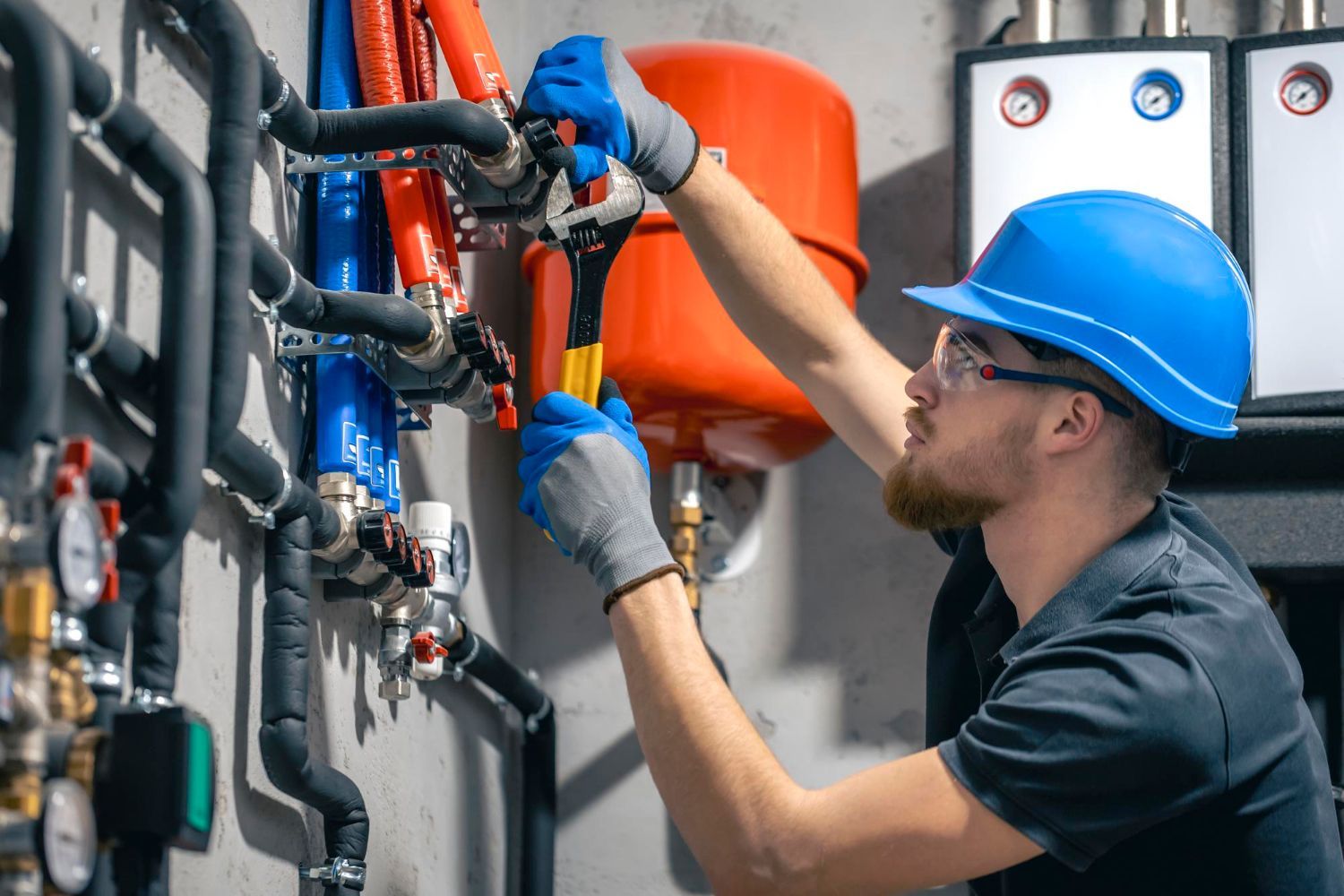
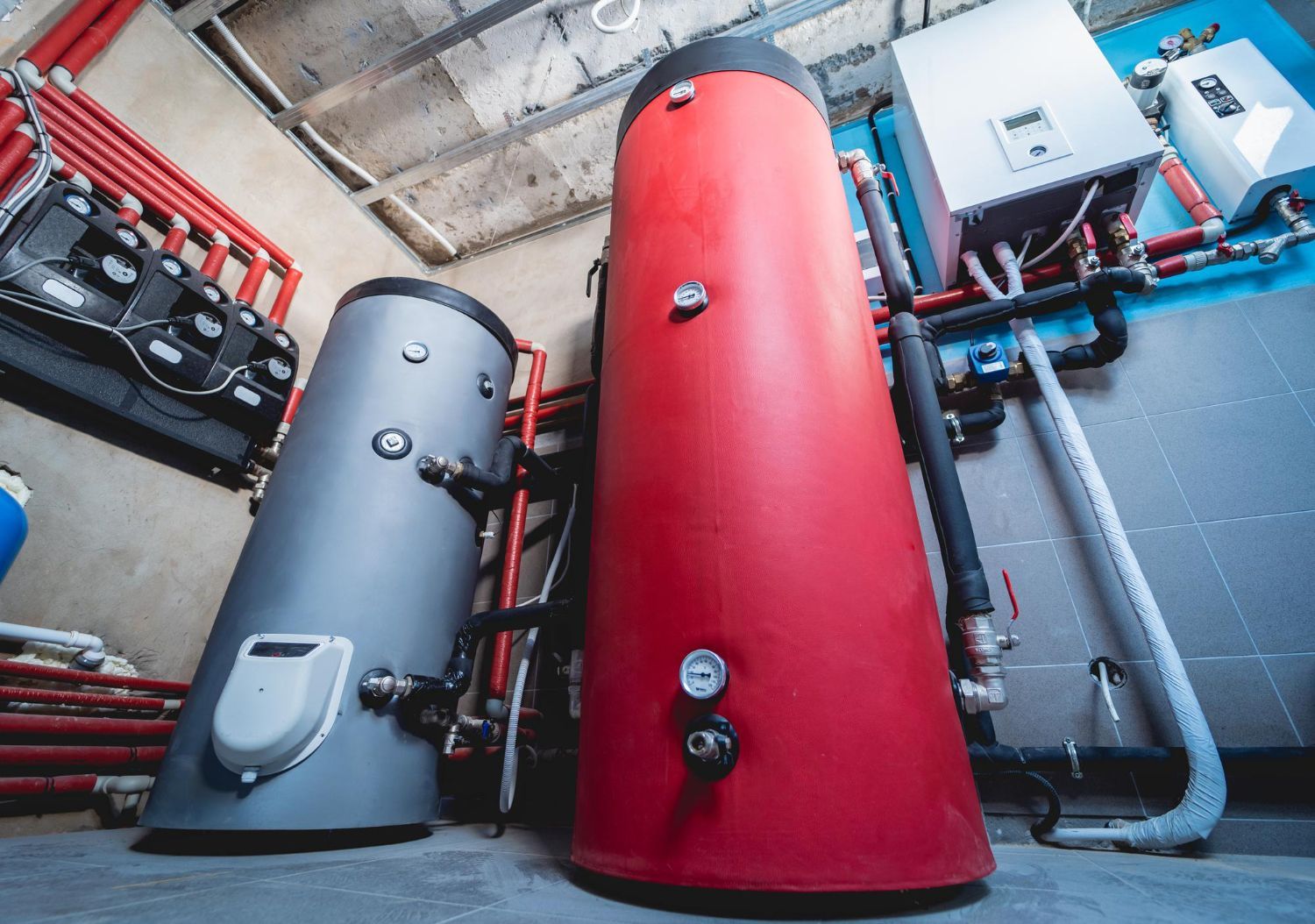
Gas lines in your kitchen do not work alone. They share supply with your furnace or boiler, water heater, and any other gas appliances in your house. That is why working with a company that handles both HVAC and plumbing is a smart move. When one team understands all your gas equipment, they can look at the whole system instead of treating the range as a separate piece.
A knowledgeable installer will:
- Check gas meter capacity to see if it can handle added load
- Look at existing pipe sizes and lengths
- Confirm there is enough gas flow for your range, heating system, and water heater at the same time
- Plan new piping to keep pressure strong where it is needed most
Kitchen remodels often involve more than just a new gas line. You might want to move your sink, add a pot-filler, reroute water lines for a fridge, or adjust venting for a new hood. You may also be thinking about a future gas fireplace, a basement appliance, or an outdoor grill hookup. When one contractor handles both HVAC and plumbing, it is easier to plan these related changes together so you are ready for later upgrades without more major disruption.
Next Steps to Plan a Safe, Efficient Gas Kitchen
A little prep on your end makes gas line installation smoother and helps keep your remodel on schedule. Before work starts, it helps to:
- Decide which appliances you want gas for and which will stay electric
- Gather model numbers and installation guides for those appliances
- Sketch a simple layout showing where each appliance will go
- Talk through your long-term plans, like outdoor cooking or a future gas fireplace
With that information ready, a licensed gas line installer can walk through your Bristol-area home, look at your current equipment, and map out the safest and most practical way to get gas where you need it. They can coordinate with your contractor, work the gas rough-in into the build schedule, and return later for final hookups once your new appliances arrive.
When gas line installation is planned into your kitchen upgrade from the start, you end up with a space that is easier to cook in, more flexible for the future, and better aligned with the rest of your home systems. You get the comfort of a well-thought-out kitchen and the peace of mind that comes from having a licensed local professional handle your gas work from beginning to end.
Get Started With Your Project Today
If you are ready to upgrade or add a safe, code-compliant gas line in your home, our team at Chiarillos HVAC is here to help. Learn more about our professional
gas line installation services and how we tailor each project to your specific needs. Have questions or need a fast quote? Simply
contact us and we will walk you through the next steps.