Older Bristol Boiler Repairs: What’s Worth Fixing vs. Hidden System Issues
Keep Your Older Bristol Boiler Running Safely This Winter
Older homes in the Bristol area often still rely on the same boiler that has been in the basement for decades. It may have worked fine for years with very little attention, until one day it starts making noise, leaving rooms cold, or leaking water on the floor. When that happens, it can be hard to know if you just need a simple repair or if there is a deeper problem hiding in the system.
Fall is the best time to pay attention to those early warning signs, before the first hard freeze and the heaviest heating days arrive. Some boiler problems are quick, straightforward fixes. Others point to bigger issues that can affect safety, comfort, and long-term reliability. As local HVAC and plumbing pros, we want to help you tell the difference so you can make smart choices about boiler repair in Bristol, CT.
Typical Boiler Problems in Older Bristol Homes
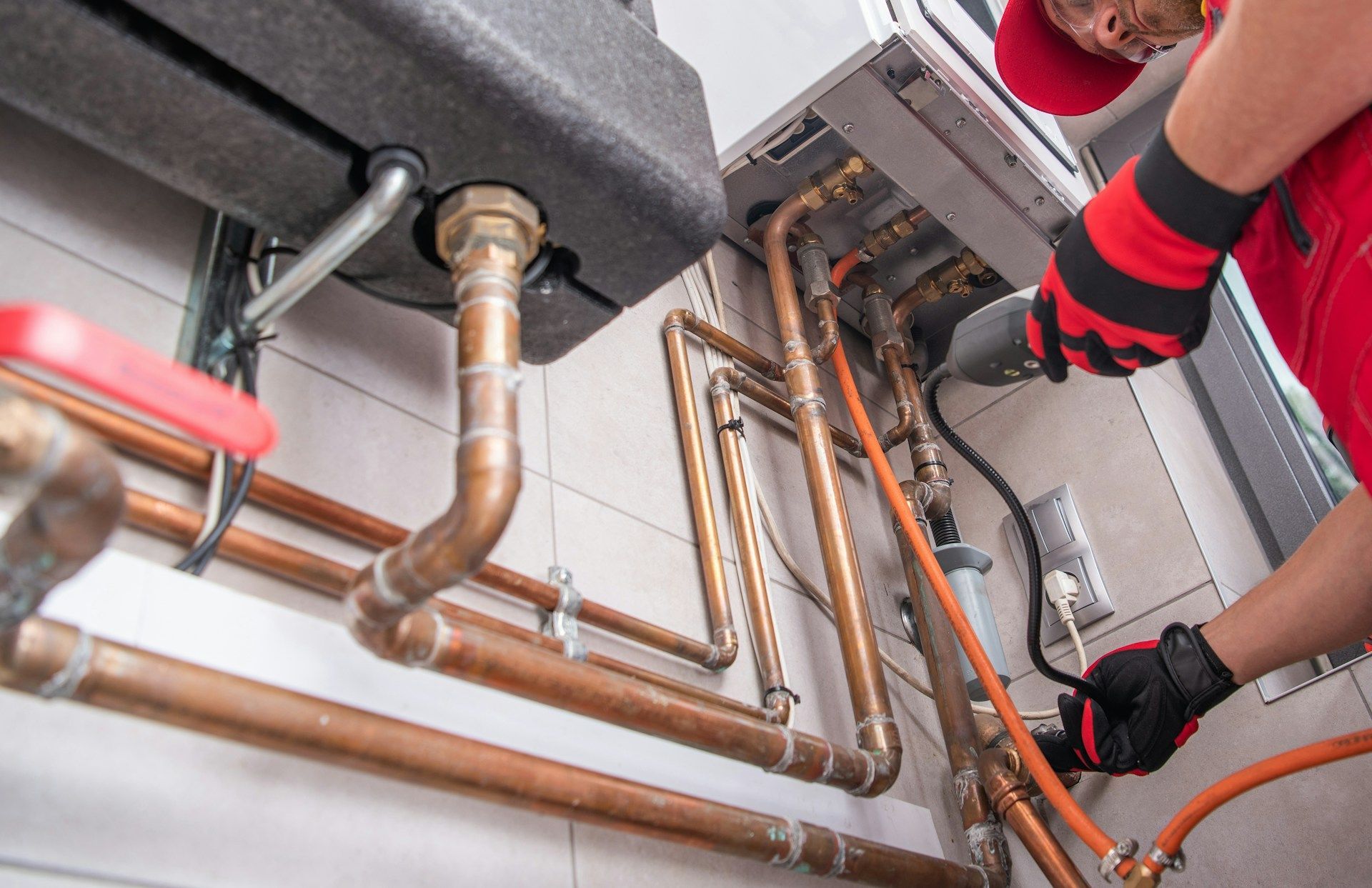
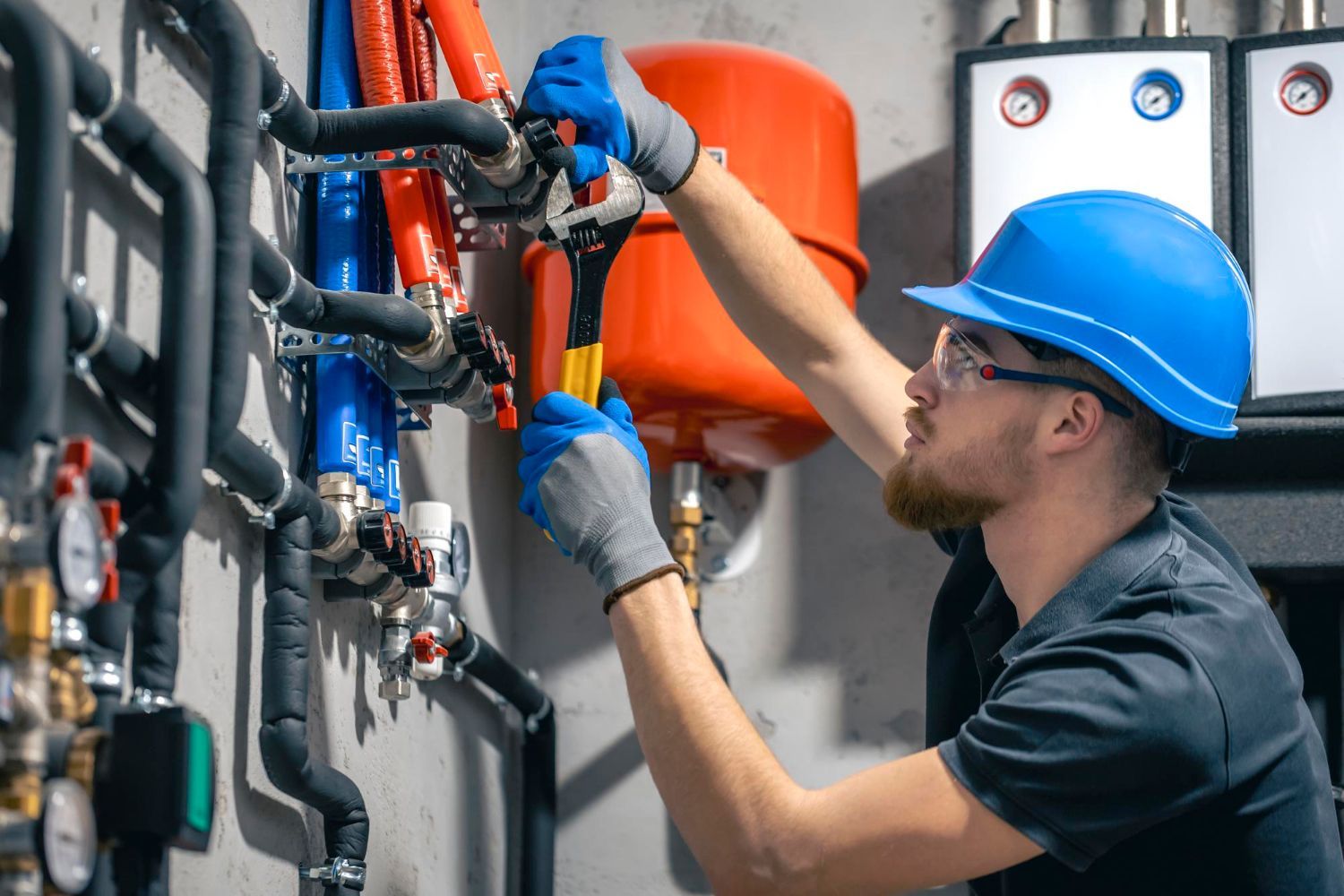
A lot of homes in and around Bristol were built long ago, and the mechanical systems have aged along with them. Boilers, pipes, and controls that are 20 to 40 years old tend to show the same kinds of wear, including rust on the boiler jacket or near fittings, mineral buildup inside piping and heat exchangers, old style controls that are harder to set or no longer accurate, and pumps and valves that get noisy, weak, or stuck.
When these systems start acting up, the symptoms often show up in a few familiar ways. Common repair calls we see in older systems include:
- No heat in one room or one zone while other areas feel fine
- Banging, clanging, or whistling noises when the boiler starts or stops
- Short cycling, where the boiler keeps turning on and off
- Drips or small puddles around the boiler, valves, or pipes
Homeowners also notice comfort and efficiency changes that can develop slowly over time, like higher gas or oil bills even when thermostat settings stay the same. You may also find the boiler needs longer run times to reach a normal indoor temperature around 68 to 72°F, or that upstairs rooms are too warm while downstairs rooms stay too cool.
Many of these issues can be repaired. But when several symptoms show up at once, or they keep coming back, that can be a sign that the boiler or the system around it has deeper problems.
When a Simple Boiler Repair Is Usually Worth It
Not every issue with an older boiler means you are headed toward replacement. There are plenty of repairs that are usually worth doing, especially when the rest of the system is in decent shape.
Some examples of repairs that are often cost-effective include:
- Faulty thermostats that no longer read temperature correctly
- Failed circulator pumps that are no longer pushing hot water through the system
- Stuck zone valves that keep one part of the house cold
- Air trapped in the system that causes gurgling noises and cold spots
- Minor leaks at fittings or valves that can be tightened or replaced
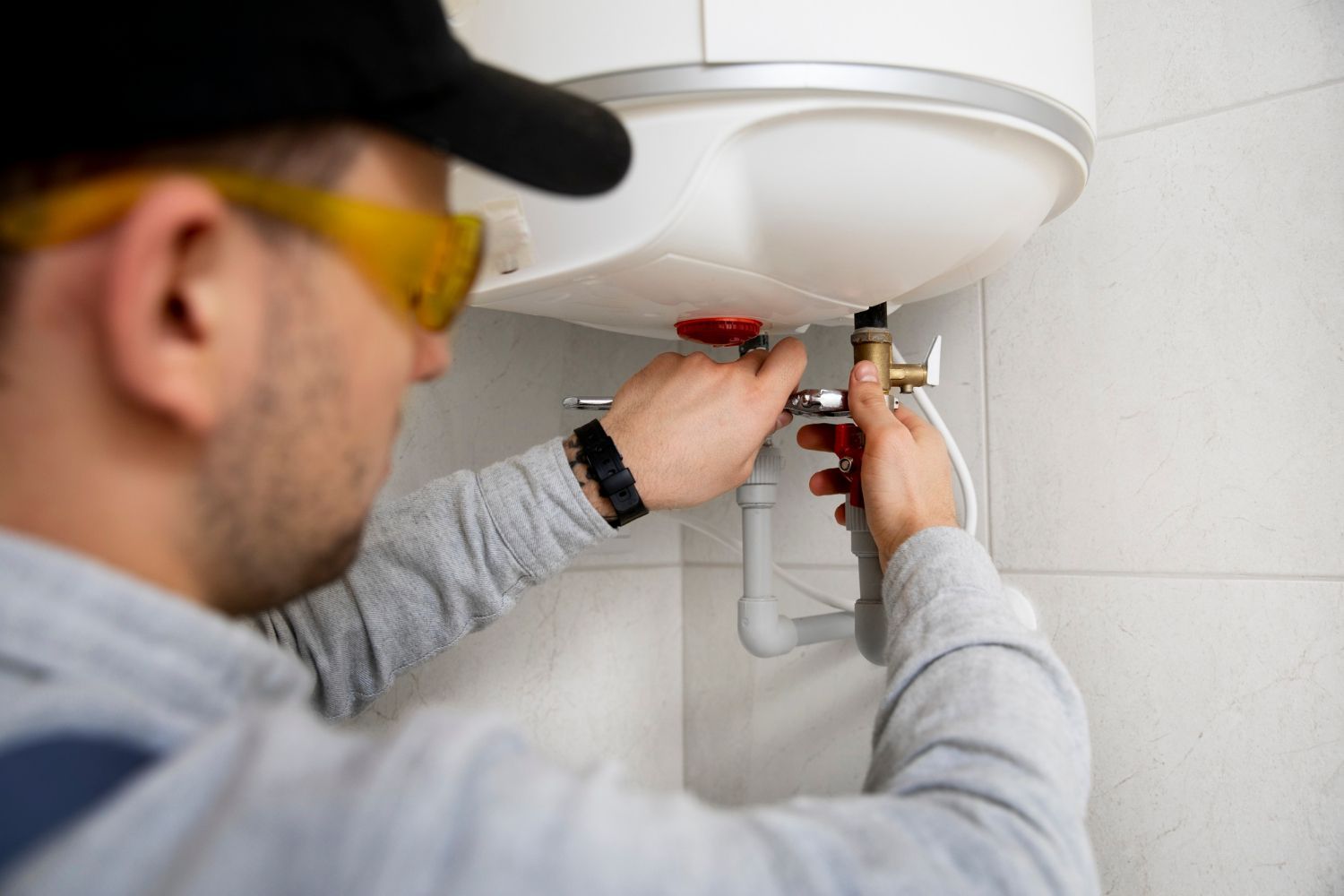
If your boiler is under roughly 15 to 20 years old, does not have a long history of troubles, and does not show heavy corrosion, a focused repair can often restore comfort and give you several more heating seasons. To make sure that’s the case, a licensed technician can inspect the boiler and near piping, test controls and safety devices, and check water quality and pressure.
This kind of visit helps confirm that a repair will likely hold, instead of turning into a short-term band-aid. Taking care of these problems early in the heating season also reduces your chances of waking up to a no heat emergency during a deep winter cold spell.
Warning Signs Your Boiler Has Hidden System Issues
Some problems go beyond a simple part failure and may point to hidden issues in the system. These are the signs that should get your attention right away. If radiators constantly need to be bled to remove air, system pressure drops often so you keep adding water, rust-colored water appears when you bleed radiators or drain the boiler, or you can see corrosion on pipes, fittings, or the boiler body itself, the system may be deteriorating or taking on water in a way that will keep causing repeat problems.
There are also safety and code-related concerns that should never be ignored. Pay close attention to issues such as:
- Old or damaged flue piping
- Poor venting that lets exhaust spill back into the home
- Fuel smells near the boiler or fuel lines
- Any history of carbon monoxide detector alarms around heating use
Comfort and cost issues can also point to bigger problems. If you are dealing with multiple repair visits every winter for different failures, fuel bills that keep creeping up even after tune-ups, or a boiler that runs a lot but still struggles to hold a steady temperature, it may be a sign the system is no longer operating as it should.
These patterns can suggest things like a failing heat exchanger, undersized or poorly routed piping, or design issues in the original system layout. In these cases, changing one part at a time can turn into a cycle of band-aid fixes. You spend money, but the system stays unreliable and may still be at risk of a breakdown on the coldest days.
Repair vs. Replace How Pros Evaluate Older Boilers
When you ask a professional about boiler repair in Bristol, CT, we look at more than just the one part that failed. There are a few key questions we consider before recommending repair or replacement:
- How old is the boiler, and what is the expected lifespan for that type?
- What is the overall condition of the boiler and piping?
- What type of fuel does it use, and is the burner in good shape?
- How often has it needed repairs in recent years?
- Are replacement parts still available for this make and model?
A common guideline is the 50% rule. If one repair is going to cost close to half of what a new, more efficient boiler would cost, and the old unit is near or past its typical lifespan, then replacement may make more sense for the long term. That is especially true if you are also dealing with high fuel bills or uneven heating.
We also look beyond the boiler itself because the surrounding components often determine how well the equipment can perform. A thorough evaluation includes:
- Piping layout and size
- Condition and placement of circulator pumps
- Expansion tank condition and sizing
- Vents, air scoops, and air removal parts
- Radiators or baseboard units and how they heat each room
By checking how the whole system works together, we can give clear options. Homeowners should expect written explanations that compare short-term repair choices, estimated remaining life of the boiler, and what kind of comfort and fuel savings might come from a system upgrade.
Get Your Bristol Boiler Winter-Ready with a Fall Checkup
The best way to avoid surprise boiler problems is to have a pre-season checkup before the cold really settles in. A visit in September or early October gives time to catch small issues while they are still easy to fix, instead of racing to fix a breakdown on the coldest night of the year.
A professional tune-up for an older boiler typically includes:
- Cleaning burners and checking flame quality
- Inspecting and testing flue drafts
- Testing safety controls and limits
- Verifying operating pressure and water temperature
- Bleeding air from the system and checking air removal devices
- Inspecting for leaks, corrosion, or signs of strain on piping and fittings
Regular maintenance helps extend the life of the boiler, keeps fuel use more reasonable, and gives you a clearer picture of how much life is left in the system. It also helps you plan ahead, instead of being forced into quick decisions during an emergency.
For older Bristol homes, staying comfortable and safe through winter often comes down to knowing which boiler problems are simple fixes and which point to something more serious. A careful inspection, honest advice, and proper maintenance go a long way toward keeping the heat on when you need it most.
Get Started With Your Project Today
If your boiler is showing signs of trouble, we are ready to help you restore reliable comfort quickly and safely. Learn more about our expert
boiler repair in Bristol, CT and see how Chiarillos HVAC can address issues before they turn into costly breakdowns. To schedule service or request a quote, simply
contact us and we will follow up promptly to discuss the best solution for your home.