What Homeowners Overlook About Boiler Installation Safety
What Homeowners Miss About Boiler Installation Safety
Boiler installation might sound like a simple swap, out with the old unit and in with the new. In reality, it is one of the most safety-sensitive jobs in your home. A boiler brings together gas, water, electricity, and exhaust, all in one place. When any part of that setup is off, even a little, it can create problems that stay hidden until something goes very wrong.
Modern boilers are efficient and dependable when they are installed and vented correctly. When they are not, they can waste fuel, damage your home, and put your family at risk. In many parts of the United States where heating systems work hard for months at a time, those flaws have plenty of time to show up. The goal here is to point out the details many people never think to ask about so you can have safer, more comfortable heat.
Why Proper Sizing Matters More Than You Think
Boiler safety actually starts before the unit is even on site. It begins with sizing. Many homeowners assume bigger means better, or they just replace the boiler with the same size as the old one. That can lead to problems.
An oversized boiler can:
- Short-cycle, turning on and off too often
- Wear out parts faster
- Create uneven temperatures and hot and cold spots
- Put added stress on piping, valves, and the flue
A proper heat load calculation looks at the real needs of your house. That means checking things like:
- Square footage and number of levels
- Insulation levels in walls and attic
- Window type and air leaks
- Room use and layout
In many older homes, boilers were sized for drafty windows and thin insulation. Over the years, people add new windows, more insulation, and better doors. If the boiler size never changed, you might now have more boiler than you need. That extra size is not only wasteful, it can affect pressures and temperatures in a way that is not as safe as a right-sized system.
A good installer will measure, ask questions, and explain how they chose the boiler size. If no one does a load calculation, that is a red flag.
Venting, Exhaust, and Carbon Monoxide Protection
When a boiler burns gas or oil, it creates exhaust. That exhaust needs to move outside safely every time the unit runs. When venting is not done right, exhaust can spill back into the home, a problem called backdrafting. That is where carbon monoxide can become a real danger.
Safe venting includes details like:
- Correct pipe size for the boiler and vent type
- Proper slope so exhaust flows outward, not back
- Tight, sealed joints so gases do not leak into walls or ceilings
- Termination in the right location outdoors, away from windows and doors
Combustion air is another part many people never think about. Boilers need enough fresh air for the flame to burn cleanly. If a boiler is in a small room with poor airflow, or if vents are blocked, the burner can struggle and create more carbon monoxide.
Every home with a boiler should have carbon monoxide detectors. It is a good idea to place them:
- On every level of the home
- Near sleeping areas
- Close to, but not directly next to, the boiler room
Detectors should be tested on a regular schedule, and batteries should be replaced as directed by the manufacturer, especially after new heating equipment is installed or venting is changed.
Hidden Water, Pressure, and Relief Valve Risks
A boiler runs under pressure and at high water temperatures. That is normal, but only when the safety parts are in good shape and set correctly. When those pieces are ignored, the system can be more likely to leak, clog, or even fail in dangerous ways.
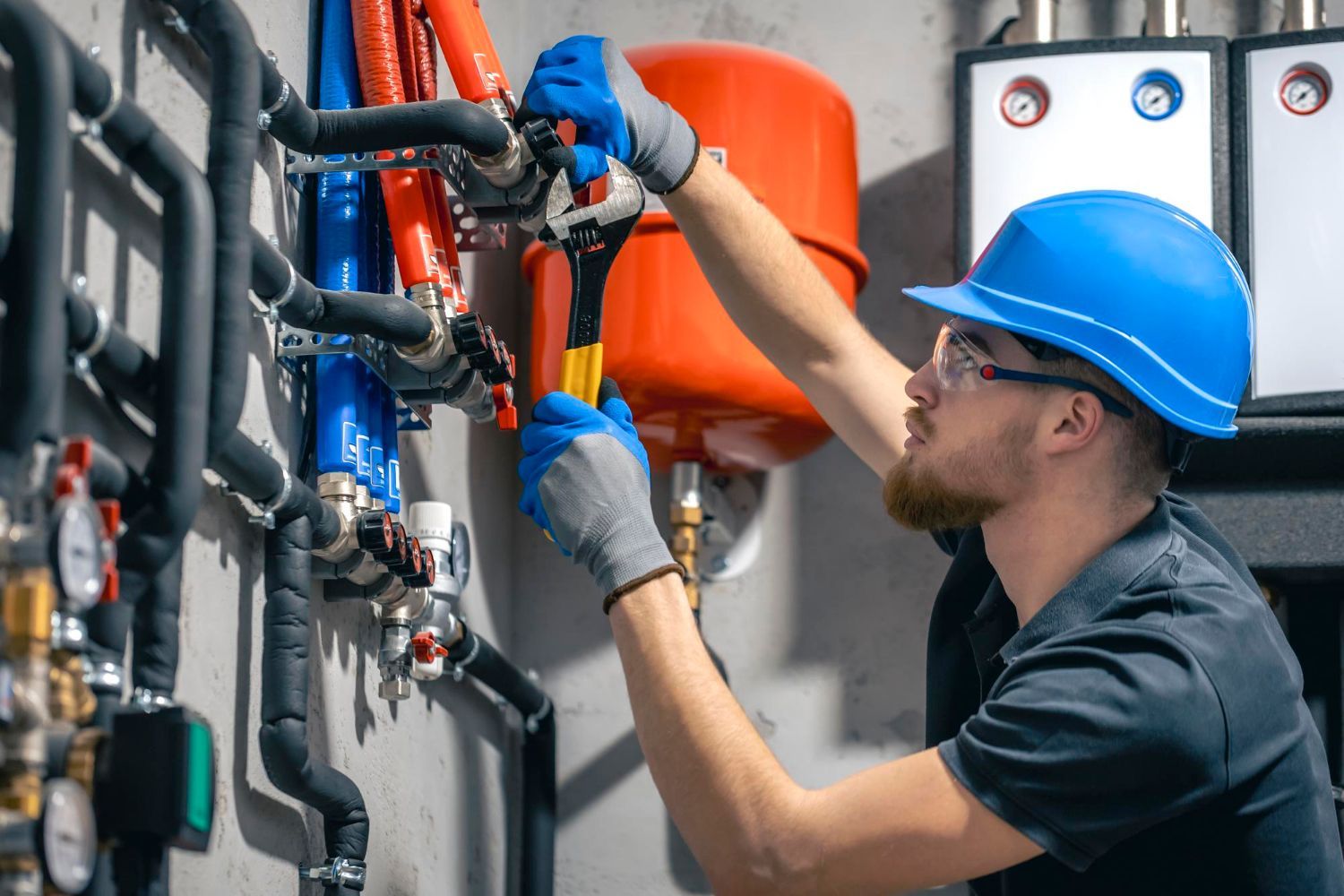
During a proper boiler installation, a technician should check or install:
- A correctly sized expansion tank to absorb pressure changes
- A pressure relief valve that is the right type and rating for the boiler
- Properly set system pressure on the gauge
- Fresh, accessible shutoff valves on both water and gas lines
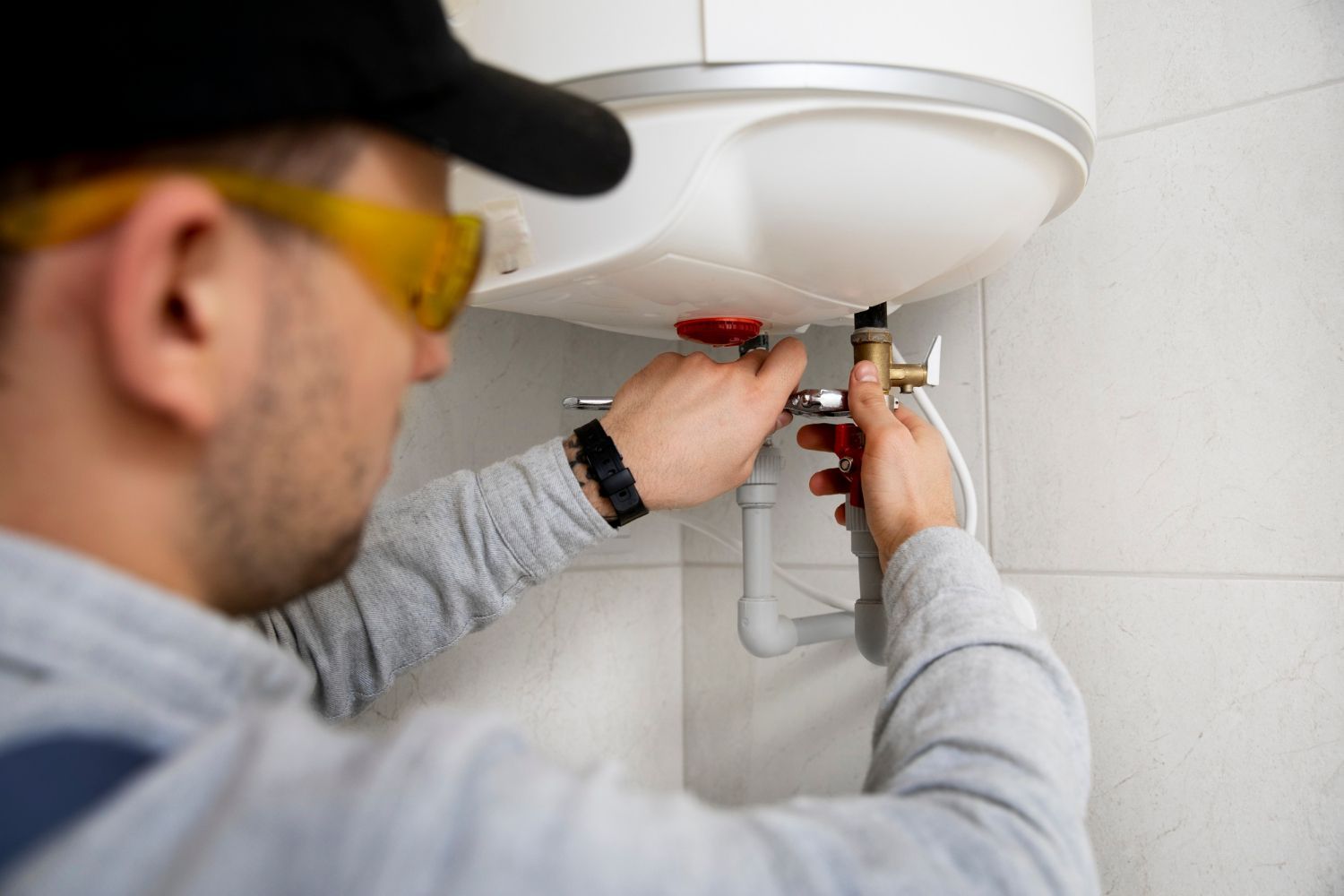
The relief valve is a small part with a big job. If pressure gets too high, it opens and lets water out so the boiler does not become over-pressurized. Homeowners sometimes see a drip from that valve and ignore it or try to cap it. That is not safe. A dripping relief valve is a sign something in the system needs attention.
Warning signs that should never be brushed off include:
- Relief valve dripping or puddles under the discharge pipe
- Pressure gauge jumping up and down often
- Banging, knocking, or "kettling" noises from the boiler or pipes
If you notice these, it is time to bring in a professional who works with boiler systems every day, not to attempt a fix on your own.
Electrical, Gas, and Code Compliance Homeowners Overlook
A safe boiler installation is not just about water pipes and radiators. Gas lines and electrical wiring need to be set up to meet current code and safety rules. These details help protect your home and also keep you in good standing with insurance and local inspections.
On the gas side, an installer should pay attention to:
- Proper gas line sizing so the boiler gets the right fuel pressure
- Drip legs or sediment traps to catch debris before it enters the boiler
- Accessible gas shutoff valves in the same room as the boiler
For the electrical side, key points include:
- Correct breaker size so circuits are protected
- Proper wire size and type for controls and pumps
- A clean, organized control panel or junction box
Local building codes set standards for clearances, venting, wiring, and gas piping. A licensed HVAC and plumbing contractor should pull permits where required and arrange inspections. When work is permitted and inspected, you gain another layer of safety, along with a record of the job.
Smart Steps to Take Before Your Next Boiler Upgrade
If your boiler is getting old or you are seeing repeat problems, planning ahead is one of the safest things you can do. Do not wait for the first cold snap when everybody is rushing. Instead, use the slower season to get your home checked and your questions answered.
Before you choose a new boiler, it helps to:
- Schedule a home evaluation with an experienced installer
- Gather a year or more of past fuel bills if you have them
- Make a list of comfort issues like cold rooms or noisy pipes
- Ask for a written proposal that explains size, venting, and safety parts
When you speak with an installer, a simple checklist can guide the talk:
- Was a heat load calculation done, not just a rule-of-thumb guess?
- How will the boiler be vented, and where will the exhaust exit?
- What safety devices are being installed or replaced?
- Are carbon monoxide detectors recommended or required?
- Will permits be pulled and inspections scheduled if needed?
By asking these questions, you are not being picky, you are taking care of your home and family. A careful, code-compliant boiler installation can make a real difference in comfort, lower energy use, and peace of mind through the long heating season.
Get Started With Your Project Today
If you are considering upgrading your heating system, our expert
boiler installation services can provide the comfort and efficiency your home needs. At Chiarillos HVAC, we carefully assess your space to recommend the right equipment and a smooth installation process. We handle every step with clear communication so you know what to expect from start to finish. Have questions or ready to schedule an estimate? Simply
contact us and we will help you plan the next steps.