How to Prepare for Boiler Installation Day: Access, Permits, and Walkthrough
Make Boiler Installation Day Smooth and Stress-Free
Preparing for boiler installation day is one of the best ways to avoid delays, confusion, and extra hassle. A little planning ahead helps the job go faster and keeps your home safer and cleaner while the work is being done. When the weather starts turning colder in Connecticut, you do not want surprises when it is time to turn the heat back on.
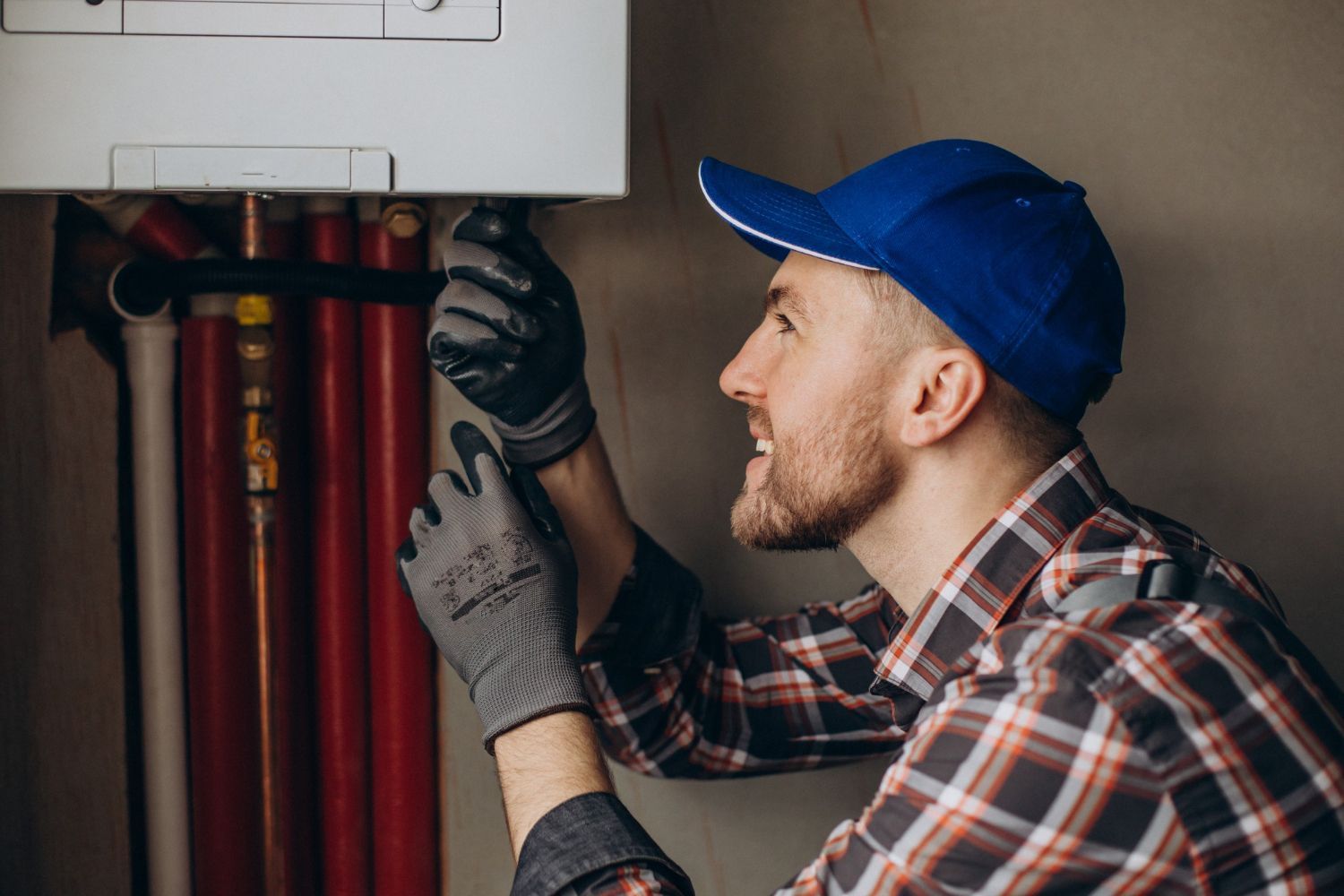
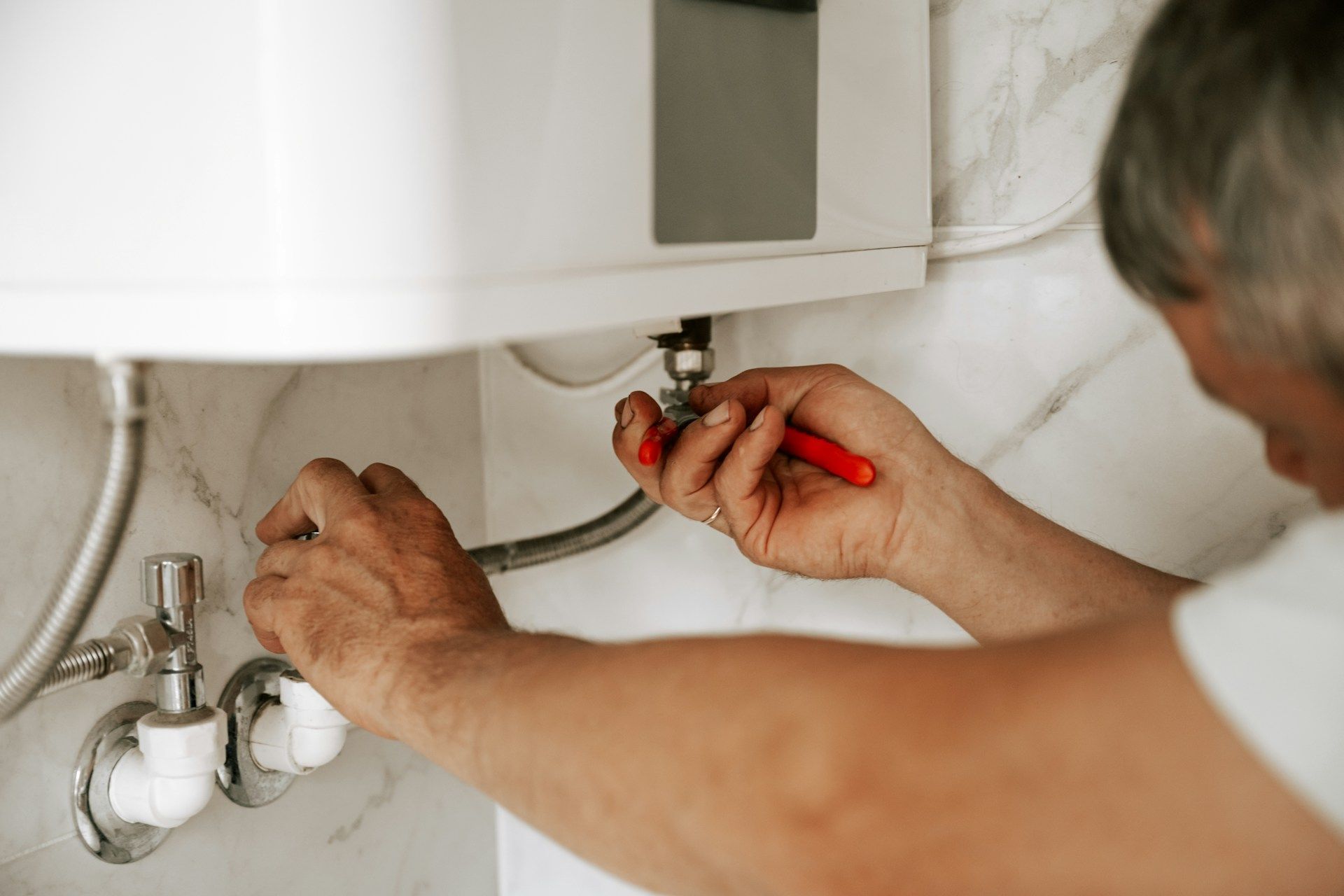
On a typical boiler installation day, your crew will arrive, walk through the space with you, protect floors, shut down the old boiler, remove it, set the new boiler, connect piping and venting, then test everything before they leave. That is a lot of activity in a small area, often over several hours. When you know what to expect, it feels less stressful and you can be ready with any questions.
We will walk through four main areas that make a big difference: clearing good access paths, understanding permits and inspections, planning for the old boiler removal, and knowing what should happen in a good post-install walkthrough of your new system.
Clear the Way: Preparing Access for Your HVAC Team
One of the most helpful things you can do is create clear, safe access to where your boiler sits. Most boilers are in basements, utility rooms, or tight mechanical spaces that collect storage over time.
Inside your home, try to:
- Clear at least a few feet around the existing boiler and nearby walls
- Move boxes, totes, laundry baskets, and small furniture away from the path
- Open up space around basement stairs and any tight turns or narrow hallways
- Keep access open to the electrical panel, gas shutoff valve, and main water shutoff
This extra room gives the installation crew space to work, carry tools, and move sections of the old boiler without bumping into stored items. It also keeps important shutoff points easy to reach in case the team needs to cut power or water quickly for safety.
It is also smart to think about protecting your home. Before the crew arrives, you can:
- Put down old rugs or runners on main traffic paths
- Move fragile decorations, floor lamps, or pictures from walls along the route
- Pick up kids’ toys or pet items from the floor near doorways and stairs
Professional HVAC crews are used to working in finished spaces and will bring materials like drop cloths to help protect floors and furnishings. Your prep just makes it easier to keep everything clean and safe.
Do not forget outside access. On installation day, there will likely be at least one work vehicle and possibly a trailer. Try to:
- Clear snow, ice, wet leaves, or debris from driveways, walks, and stairs
- Make sure gates open easily and paths are not blocked by trash cans or yard tools
- Arrange alternate parking if your driveway is tight or shared
In Connecticut, mid to late fall can bring rain, early snow, or piles of leaves, so a quick check of outdoor paths the morning of the install is very helpful.
Permits, Codes, and Safety: What Homeowners Should Know
Boiler installation is not just about swapping equipment; it also connects to local building and safety rules. In many towns, a permit is required for a new boiler, and there may be a visit from a building or mechanical inspector after the work is done.
A licensed HVAC contractor will usually handle the permit paperwork, but it is still good to ask ahead of time what your town expects. Simple questions like, “Is a permit pulled?” and “Will there be an inspection?” keep everyone on the same page.
Modern boilers must meet current code requirements, which can be different from what was in place when your old boiler went in. Inspectors often check:
- Proper exhaust venting and chimney connections
- Safe clearances from combustibles like wood framing and stored items
- Correct sizing and materials for gas or oil lines
- Adequate combustion air and ventilation for the boiler room
These checks are about safety and reliable operation. If the inspector wants to look at other areas, like the electrical panel or outside vent terminations, make sure those spots are easy to reach.
Before installation day, it also helps to gather any paperwork you have on your current system, such as:
- Old service or repair records
- Warranty cards or labels
- Manuals that came with the boiler or controls
Even simple notes like, “Front bedrooms are usually colder,” can help your installer understand how your home heats now and what to watch for with the new boiler.
Try to be reachable by phone or at home during the appointment window. If the town inspector needs access or a quick signature, you will not have to reschedule.
Out with the Old: Removing Your Existing Boiler
Removing a boiler is heavy, technical work and should always be done by trained professionals. On installation day, the crew will start by safely shutting down the old system. That includes:
- Turning off electrical power at the breaker
- Closing fuel valves for gas or oil
- Shutting off water supply and isolating heating zones
You should not try to do any of this yourself ahead of time. The technician needs to see how everything is currently set up so they can change things in a safe order and avoid damage or leaks.
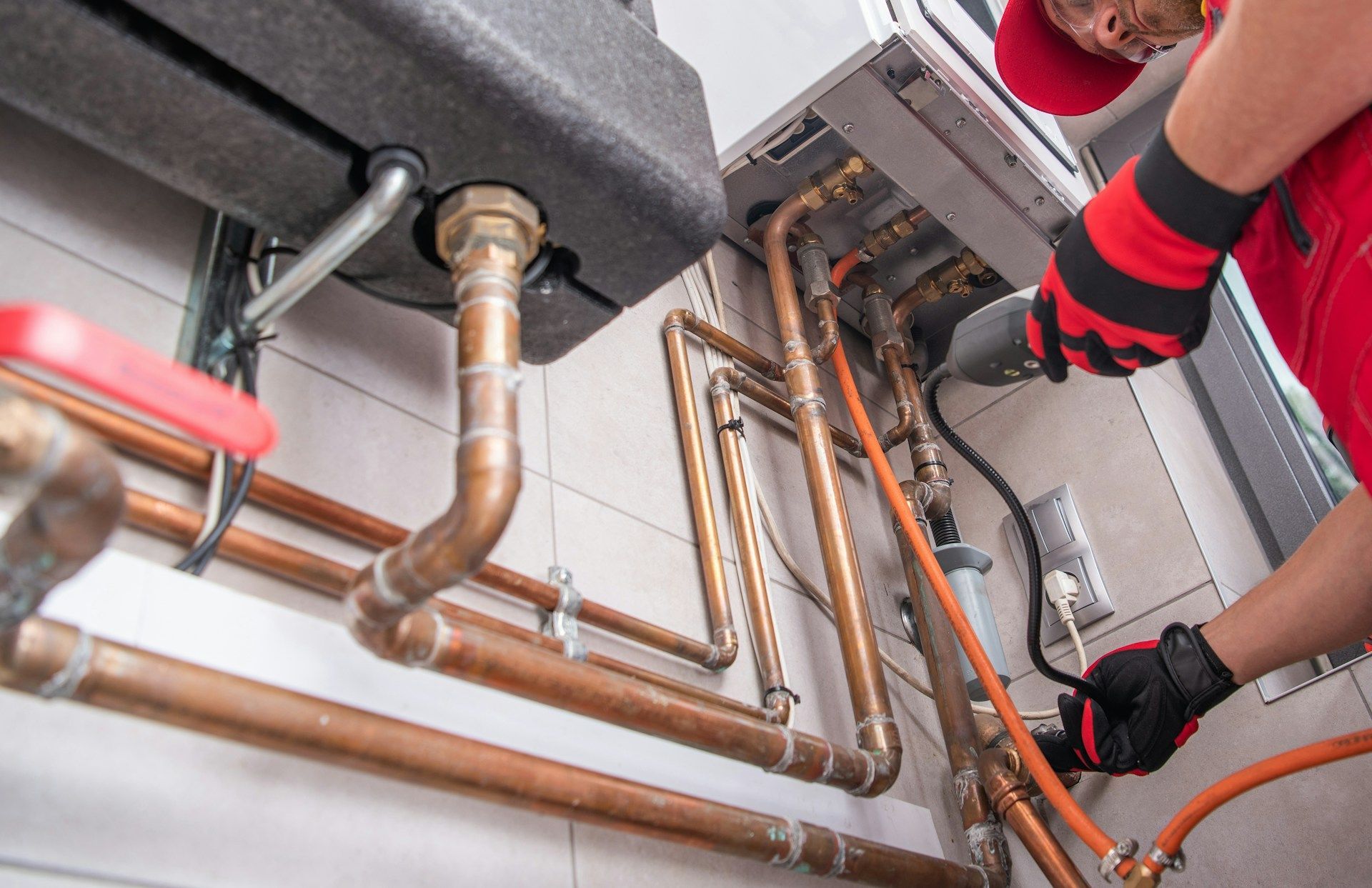
Depending on the age of your system, older venting, pumps, or piping may need to be changed to fit current code and the new boiler layout. This can mean cutting and removing old pipe sections or adapting connections.
Most professional HVAC companies include removal and proper disposal of the old boiler and related scrap metal. Before the job starts, it is smart to confirm:
- Is the old boiler removal included?
- Will any old thermostats or controls be taken away?
- Are oil tanks or extra components part of this project, or a separate job?
Taking out an old boiler can be noisy. Cutting pipe, breaking down cast iron sections, and moving heavy parts up and down stairs may create banging, vibration, and some dust. If you have small children, elderly family members, or pets that are sensitive to noise, you might plan a quieter spot in the home or a short outing during the loudest part of the work.
Your heat and hot water will likely be off for a good part of the day. This is why many homeowners in the Bristol area prefer to schedule boiler installation during fall, before deep winter cold sets in. A light jacket and an extra blanket on the bed for one night are much easier to handle than a mid-winter shutdown.
Post-Install Walkthrough: Testing and Understanding Your New System
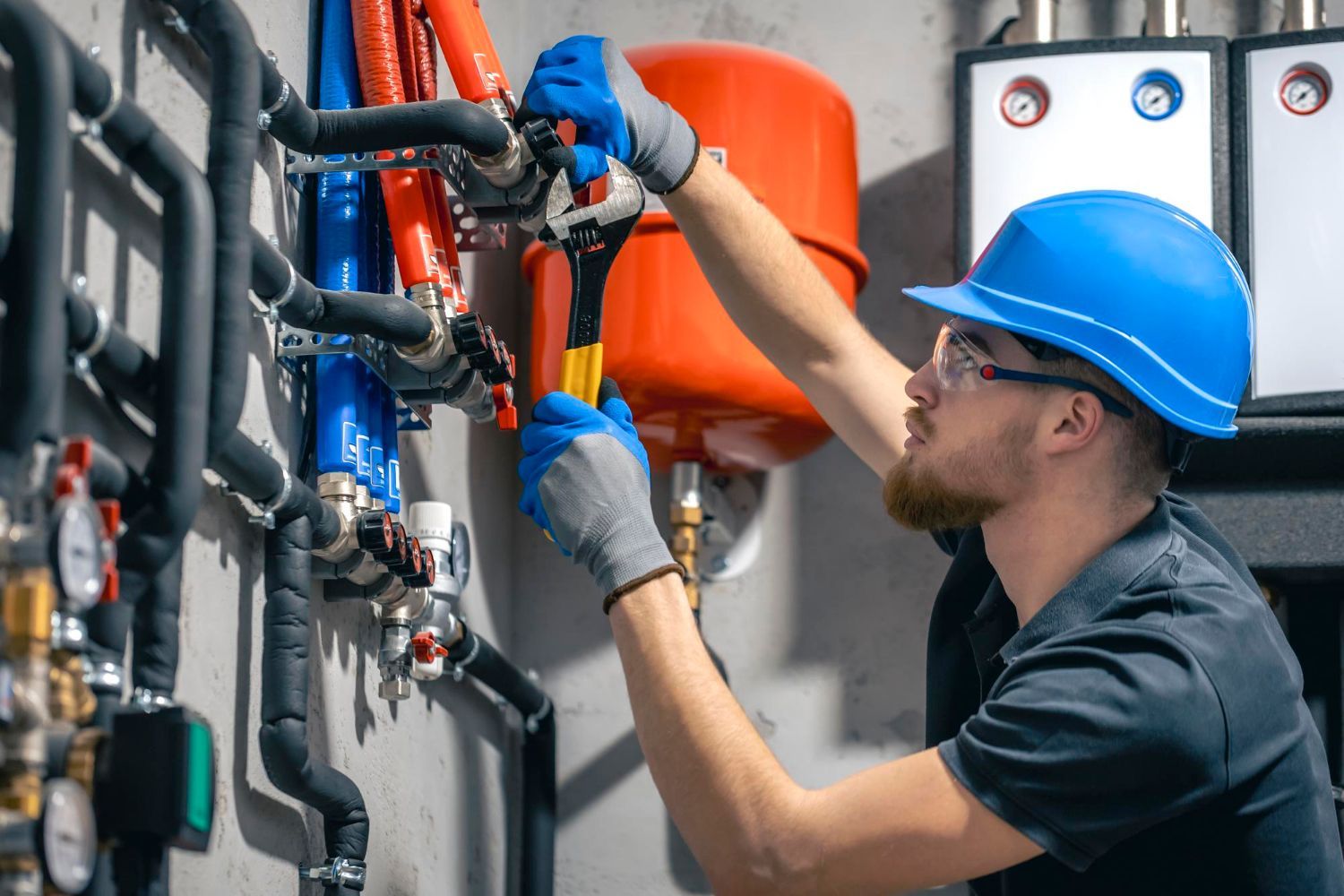
Once the new boiler is set, piped, and wired, the crew will move into testing and fine-tuning. This is one of the most important parts of the job and a time when you should feel free to ask questions.
Good post-install testing usually includes:
- Filling the system with water and purging air from radiators or baseboards
- Checking for leaks at piping, valves, and around the boiler
- Verifying thermostat and control operation
- Measuring pressure and temperature readings
- Confirming safe combustion and proper venting
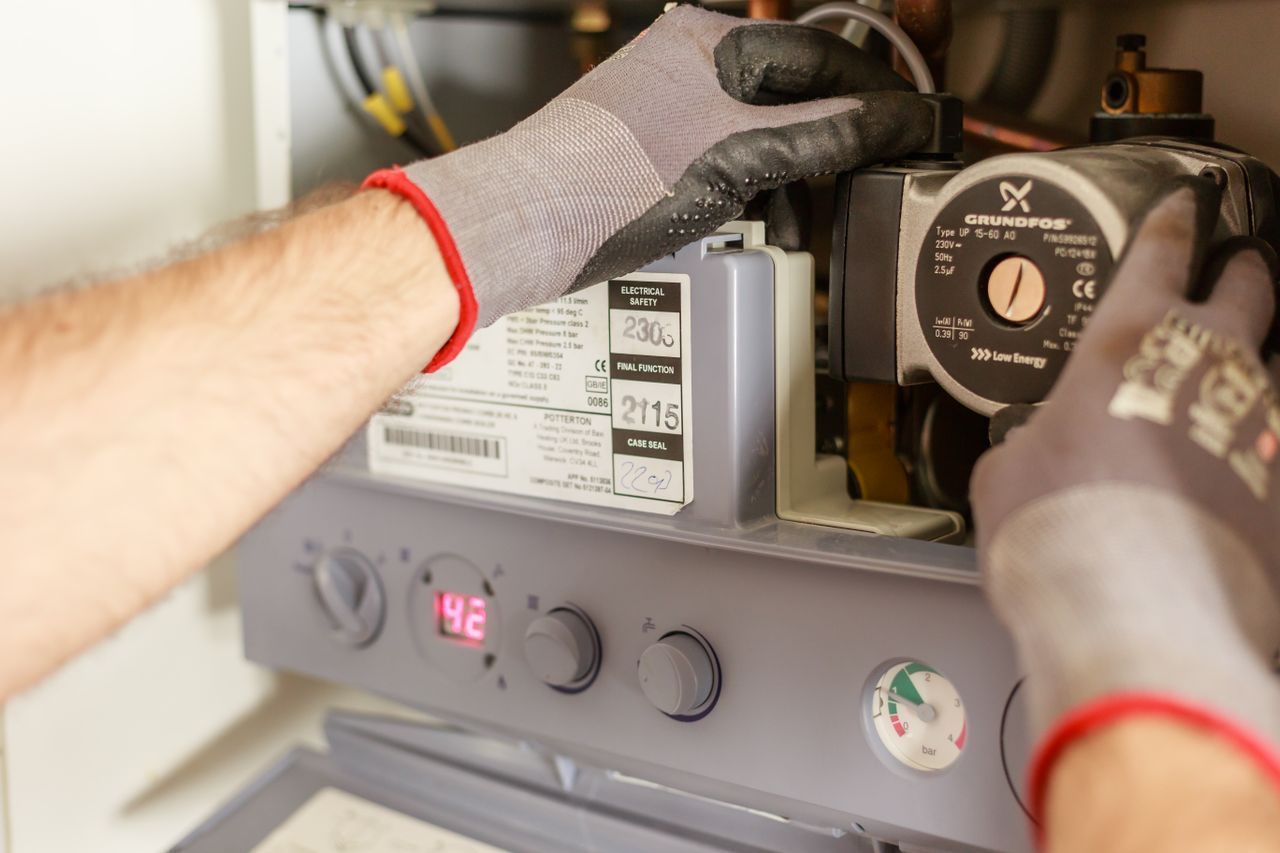
Ask the technician to point out the main gauges and displays, and to explain what a normal reading looks like during regular heating. Simple things to see include normal pressure range, typical temperature levels, and what any indicator lights or basic error messages might mean.
Many new boilers come with updated controls, zoning valves, or smart thermostats. Take a few extra minutes to review:
- How to raise or lower the thermostat
- How to set a basic schedule for weekdays and weekends
- Which zones control which areas of the house
- What settings help balance comfort and energy savings when outdoor temps drop into the 40s or 30s
Before the team leaves, ask about maintenance and paperwork. It helps to:
- Review warranty coverage and what kind of yearly service is required
- Ask when to plan your first tune-up
- Gather manuals, warranty documents, and any registration instructions in one folder
- Note down the company contact information for future service
A short, focused walkthrough gives you confidence to use your new boiler and to spot small issues early, before they grow into larger problems.
Ready for Cozy Comfort with Your New Boiler
When you clear good access paths, understand permits and inspections, plan for safe removal of the old boiler, and stay involved in the post-install walkthrough, boiler installation day feels far more organized and less stressful. You know what is happening in your home, why each step matters for safety, and how to operate your new system when the work is done.
Homeowners in Bristol and nearby Connecticut towns can use this as a simple prep checklist: walk through your basement or mechanical area, look at access, paperwork, and noise concerns, and jot down a few questions to ask your installer. With a little planning ahead, your new boiler can be in place and ready to keep your home warm and comfortable before the coldest nights arrive.
Get Started With Your Project Today
If you are ready to upgrade your heating system, our expert
boiler installation services can help you choose and install the right unit for your home. At Chiarillos HVAC, we focus on efficient, long-lasting solutions tailored to your space and budget. Tell us about your project and we will walk you through options, scheduling, and next steps. Have questions or need a quote fast? Just
contact us and our team will respond promptly.