Planning Furnace Installation Around a Finished Basement Upgrade
Planning Furnace Installation Around a Finished Basement Upgrade
Finishing a basement and planning a furnace installation at the same time can feel like a lot, but it is one of the smartest moves a homeowner can make. When both projects are coordinated, you avoid extra work, extra mess, and surprises behind newly finished walls or ceilings. The result is a warmer, more comfortable home that works the way you want it to.
When you turn a basement into real living space, the way your home heats and cools changes. Airflow, ductwork, and even the size of your furnace need a second look. Working with an HVAC professional early helps you plan the right equipment, vent locations, and clearances so you are not cutting into fresh drywall later to fix something that should have been done from the start.
How a Finished Basement Changes Your Heating Needs
A finished basement is not just a storage area anymore. It might become a family room, office, bedroom, gym, or in-law suite. That new living space adds to the total area your furnace must heat.
Basements usually feel cooler than the rest of the house. They are closer to the ground, and many have concrete walls and floors that pull heat away. When you finish the space, you likely add:
- Wall and rim joist insulation
- Flooring with padding or subfloor systems
- New or upgraded windows and doors
- Drywall or wall panels that cover bare concrete
All of these choices change how the basement holds heat. Good insulation and tight windows help keep the space more stable. Poor insulation can cause cold spots and drafts, which puts more stress on your furnace.
A finished basement often needs:
- Extra supply registers so each new room gets warm air
- Return vents so air can circulate back to the furnace
- Thoughtful grille placement so vents do not end up behind couches or beds
In colder Connecticut winters, a basement that is not heated and balanced with the rest of the house can cause the main floors to feel uneven too. Heat naturally rises, so if the basement is ignored or poorly designed, the system has to work harder to keep upstairs at the temperature you want.
Right-Sizing Furnace Installation for Added Space
When you add finished square footage, your furnace installation should be based on the total home, not the original plan from when the house was first built. Guessing at furnace size or just swapping in “whatever is there now” often leads to comfort problems.
Professional HVAC load calculations look at:
- Total finished square footage, including the new basement
- Insulation levels in walls, floors, and attic
- Window size and type
- Ceiling height, especially if your basement has lower or higher ceilings
- Typical outdoor temperatures for the Bristol area
With this information, we can recommend a furnace size in BTUs that fits your home. An undersized furnace may run constant long cycles and still leave you chilly, especially on the coldest days. An oversized furnace can short-cycle, turning on and off too often, which can cause uneven temperatures and extra wear on parts.
The right size furnace helps:
- Keep each floor closer to the set temperature
- Reduce hot and cold swings between cycles
- Improve comfort while still supporting good energy use
When your new finished basement is part of that planning, you are less likely to run into “cold cave” issues downstairs or overheating upstairs.
Smart Furnace Placement and Ductwork in a Finished Basement
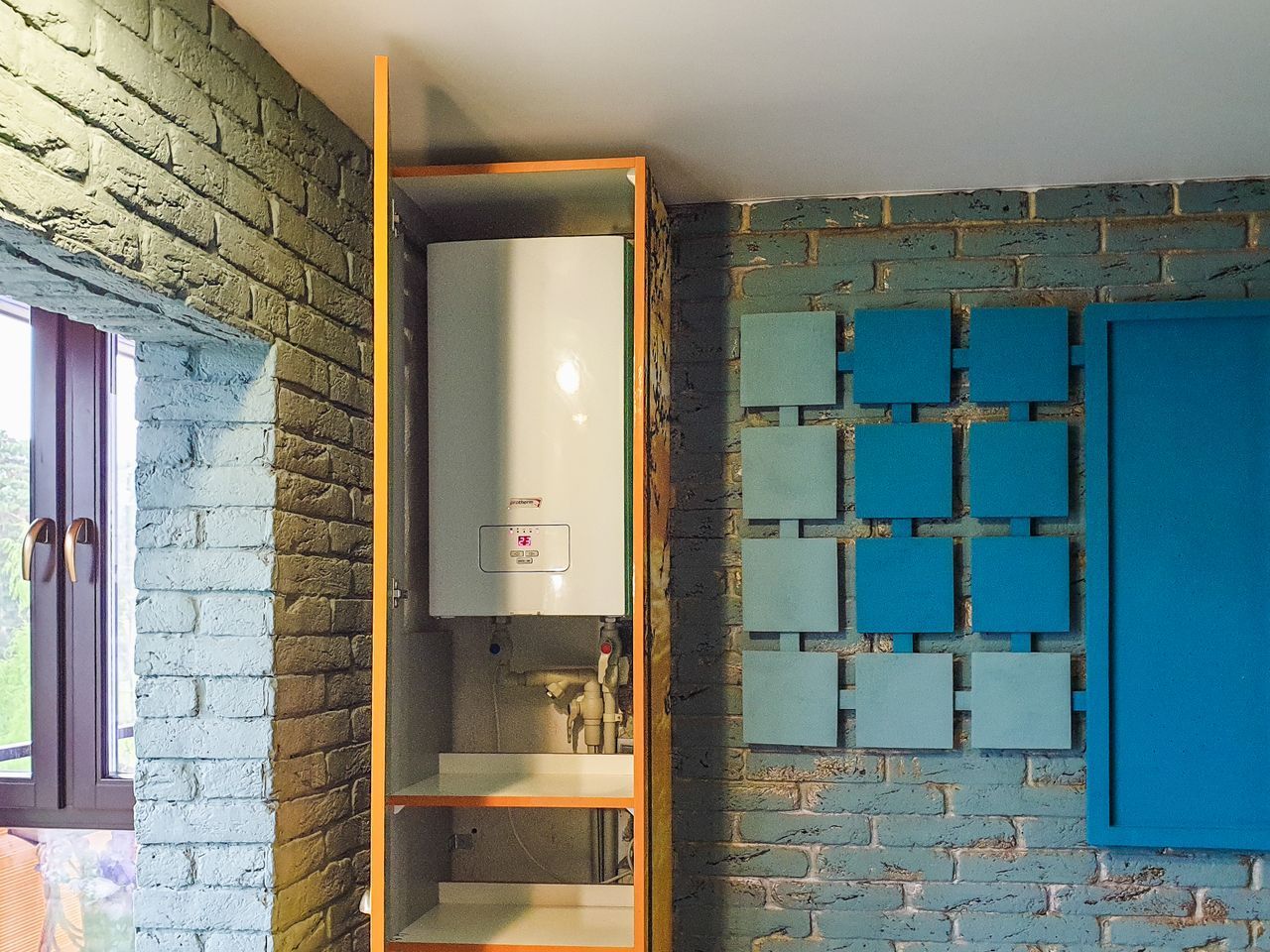
In many Bristol-area homes, the furnace already sits in the basement, often near the water heater or laundry. When you finish the basement, that same corner might now become a utility room, closet, or framed off mechanical space. This changes the clearances and access around the furnace.
Good furnace placement plans for:
- Enough space around the unit for safe combustion and airflow
- Room for service, repairs, and filter changes without tearing out walls
- Proper venting routes for exhaust pipes and intake air
- Drain lines for condensation if your system needs them
Ductwork is just as important. Before framing and drywall go up, there should be a plan so:
- Supply runs feed each new room, not just the open basement area
- Return vents pull air from the right spots, not just one hallway
- Ducts are sized correctly so you do not lose pressure and comfort upstairs
- Vents are not blocked by support beams, soffits, or new walls
Noise is another factor. A furnace sitting right next to a new bedroom or TV room may need sound-conscious design, like solid doors on the mechanical room and the right duct layout, to cut down on blower noise.
Coordinating HVAC, Plumbing, and Construction Work
A finished basement usually involves many trades. There may be a general contractor, framer, electrician, plumber, and HVAC technician all working in the same space. When they are not coordinated, you can end up with water lines, electrical conduit, and ducts all fighting for the same joist bay.
Bringing the HVAC team into planning early helps everyone:
- Avoid running pipes where ducts need to go later
- Keep electrical panels, water heaters, and furnaces in reachable spots
- Line up vent locations before drywall, tile, or cabinets are installed
If you plan to move or upgrade a water heater, add a bathroom, or make changes to a boiler at the same time as a furnace installation, doing that work together can help limit how often ceilings are opened and closed. It can also help keep the project timeline smoother, especially when inspections are required.
Basement projects often happen in the cooler months, and permits or inspections can slow things down if the plan is not clear. When furnace installation and basement work are on the same schedule, you are more likely to have heat ready before deep winter temperatures arrive.
Energy Efficiency and Comfort Upgrades for Lower Bills
A finished basement project is the perfect time to think about comfort and energy use for the whole house. Many upgrades are easier to handle while the framing is open and the HVAC system is being updated.
You may want to talk with your HVAC professional about:
- High-efficiency furnace options that can help lower heating bills
- Programmable or smart thermostats for better control
- Zoning systems so the basement and main levels can be set to different temperatures
Good insulation, careful air sealing, and thoughtful duct design can:
- Reduce drafts along floors and exterior walls
- Help keep basement rooms from feeling damp or chilly
- Support more even temperatures between levels
While the basement is under construction, it is also a good time to think about:
- Dehumidification for comfort and moisture control
- Better air filtration for cleaner indoor air
- AC upgrades so the whole system, heating and cooling, works well together
Finishing a basement is a big investment. When you plan furnace installation as part of that project, you help protect that investment, keep your Bristol home comfortable, and set up your heating system to serve the new space for years to come.
Enjoy Reliable Comfort With Professional Furnace Installation
If your old system is struggling to keep up, our expert
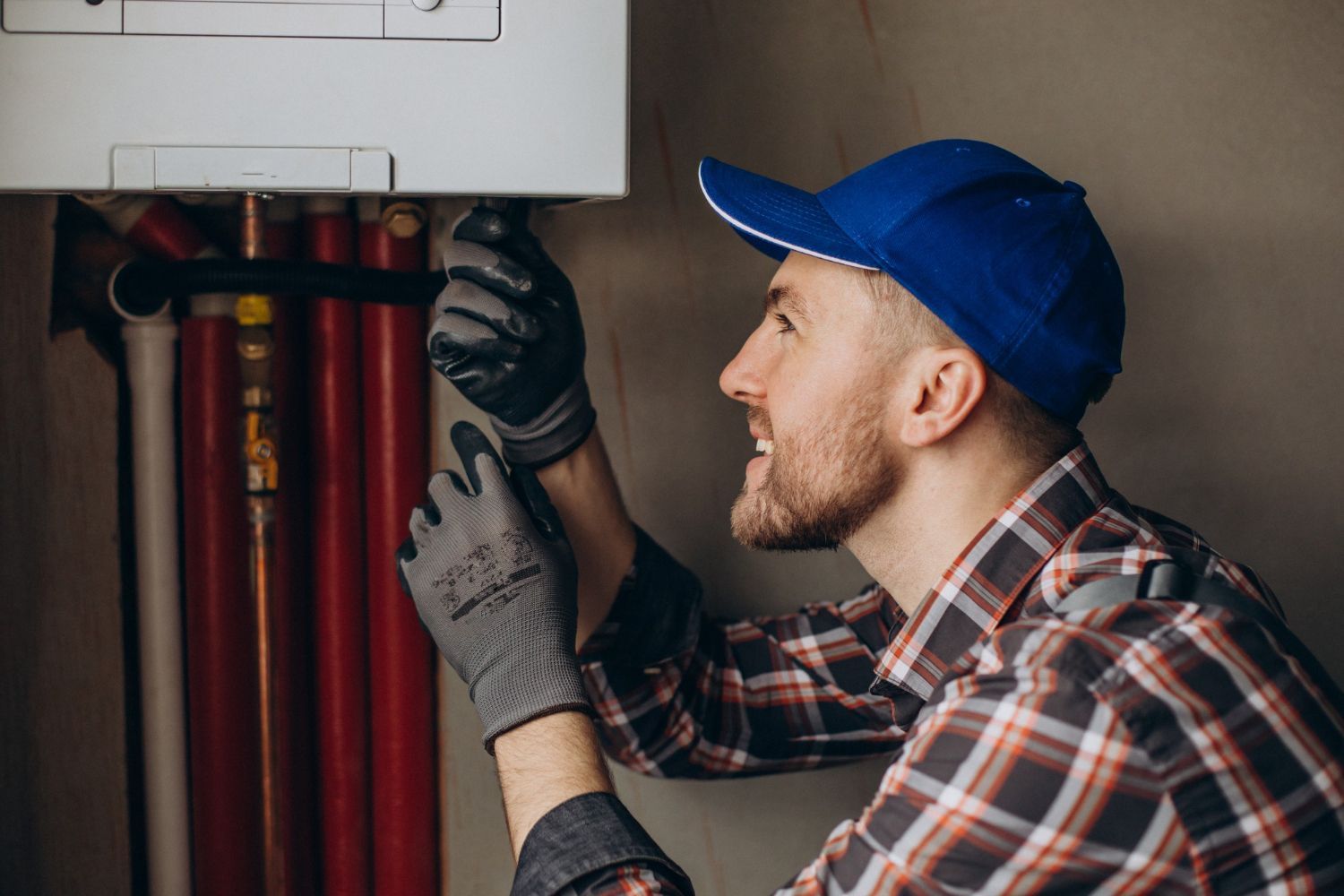
furnace installation service can help you enjoy consistent warmth and lower energy bills. At Chiarillos HVAC, we carefully size and install your new equipment so it runs safely and efficiently for years to come. Ready to talk through your options or get a quote? Simply
contact us and we will help you schedule a convenient appointment.